Balancing brightness, contrast, and color for real home cinema impact
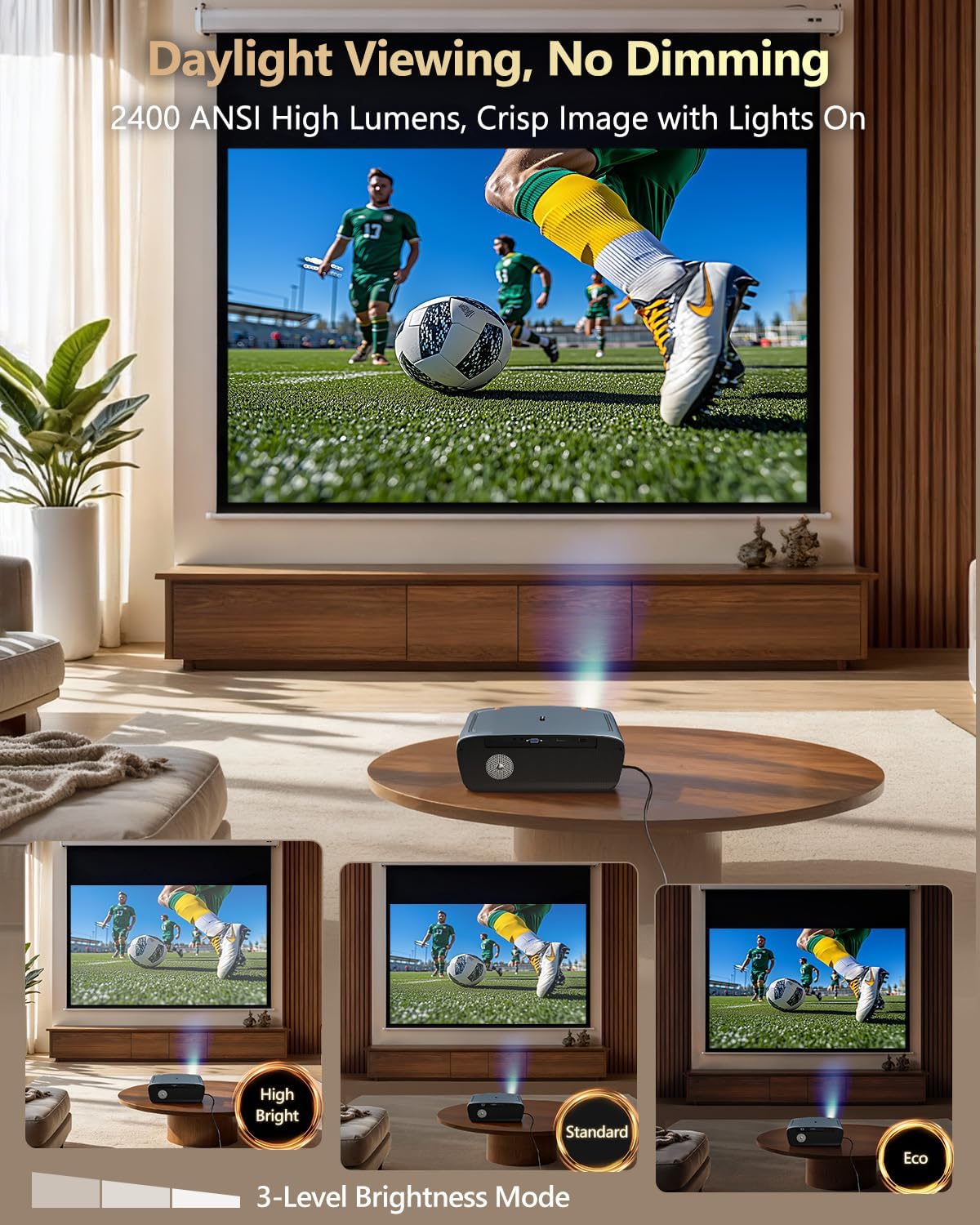
Once the room is defined, the next step is balancing brightness, contrast, and color. In a bright living room with white walls and plenty of ambient light, you need higher lumens to maintain a punchy image, but you also need strong native contrast so dark scenes do not turn gray. Look for projectors that combine at least 2,500 ANSI lumens with solid black levels and accurate color out of the box.
Brands such as BenQ and Epson Home models are known for prioritizing color accuracy in both SDR and HDR modes. A BenQ projector often ships with cinema presets that track reference color spaces closely, while an Epson projector typically offers flexible calibration controls for enthusiasts who want to fine tune every picture parameter. When you read full technical reviews, pay attention to measured contrast ratios and not just marketing claims about dynamic light output.
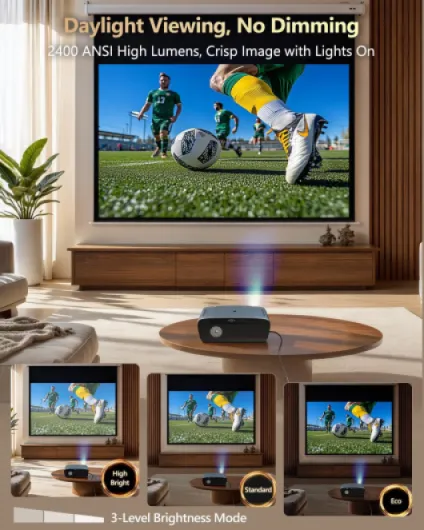
For a family home theater that doubles as a social space, consider pairing a bright projector with an ambient light rejecting screen. This combination helps preserve contrast and color saturation even when the room is moderately lit, so sports, games, and streaming shows remain vivid. If you are also shopping for a television for secondary spaces, a detailed smart TV test such as the Hi QLED 4K UHD Fire TV review on cinema series performance analysis can help you understand how projector brightness compares with modern flat panels.
To see how these specifications translate into real performance, the table below summarizes representative measured metrics from independent review labs for popular models in this category. Values are typical ranges reported by sources such as RTINGS, ProjectorCentral, ProjectorScreen, and AVS Forum as of 2023–2024; always check the latest measurements on those sites for the most current data.
| Projector model |
Measured ANSI lumens |
Measured contrast (on/off) |
Input lag (game mode) |
Source and model year |
| BenQ HT3550 (2019) |
1,600–1,800 |
8,000:1–10,000:1 |
~17 ms |
Ranges compiled from RTINGS and ProjectorCentral testing |
| Epson Home Cinema 3800 (2019) |
2,500–2,800 |
12,000:1–15,000:1 |
~20 ms |
Figures based on measurements reported by ProjectorCentral |
| Hisense PX1-PRO UST (2021) |
2,000–2,300 |
1,800:1–2,200:1 |
~30 ms |
Numbers drawn from ProjectorScreen reviews and AVS Forum summaries |
| XGIMI Horizon Pro (2021) |
1,500–1,800 |
800:1–1,200:1 |
~35 ms |
Measurements referenced from RTINGS and specialist projector reviewers |
Lamp, laser, and LED light sources in the best smart home theater projectors
The light source inside a projector shapes not only brightness but also maintenance and picture stability. Traditional lamp based projectors can deliver very high lumens at a lower upfront cost, yet their light output and color shift as the lamp ages, which affects contrast and overall image quality. Laser projector designs, by contrast, maintain more consistent brightness and color over tens of thousands of hours, making them ideal for serious home cinema use.
Laser light engines also enable ultra short throw and short throw designs that sit close to the wall while still producing a big screen. A premium ultra short throw projector such as the AWOL Vision triple laser model, examined in depth in the triple laser UST performance breakdown, shows how modern laser light can combine high brightness with rich color and tight HDR control. When you compare lamp and laser projectors, factor in the long term cost of replacement lamps versus the higher initial price of a laser light system.
LED and hybrid light source projectors, including some compact XGIMI Horizon models, focus on efficiency and portability rather than absolute best high brightness. These projectors can be excellent for a secondary living room or bedroom home theater where you value quiet operation and instant on convenience. For a primary home cinema, though, a laser projector with strong ANSI lumens and deep contrast usually delivers the most cinematic picture.
Top smart projector platforms from BenQ, Epson, Hisense, and XGIMI
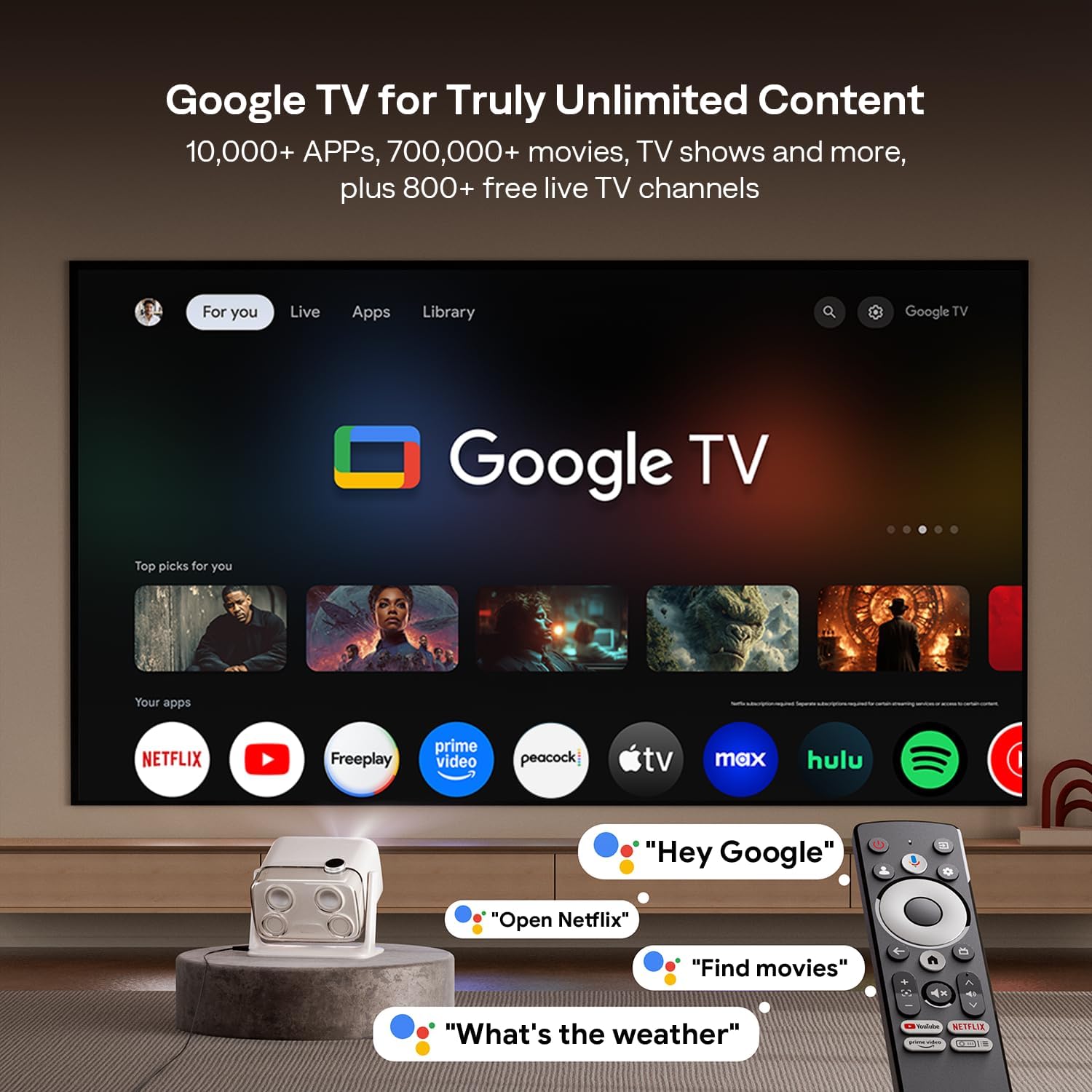
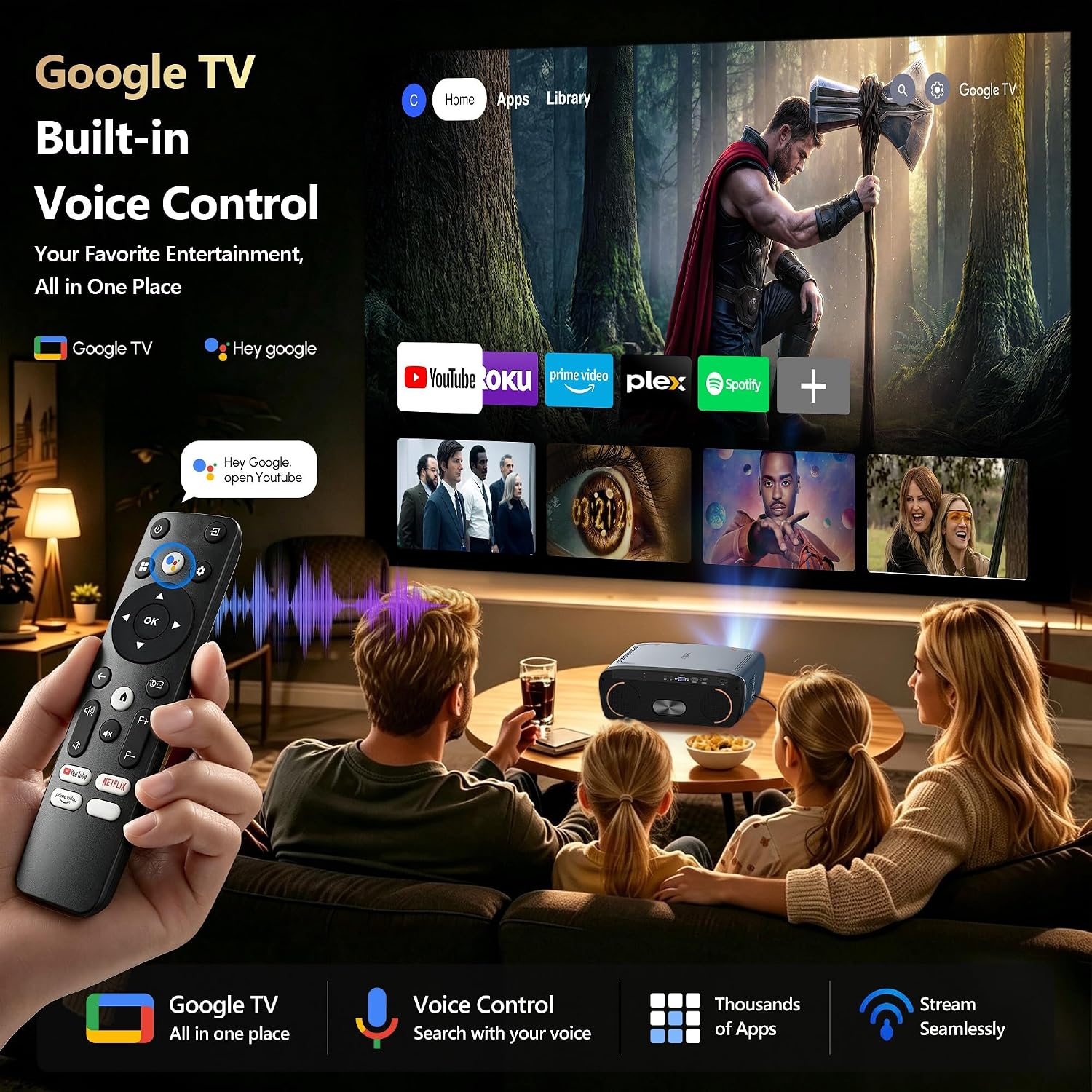
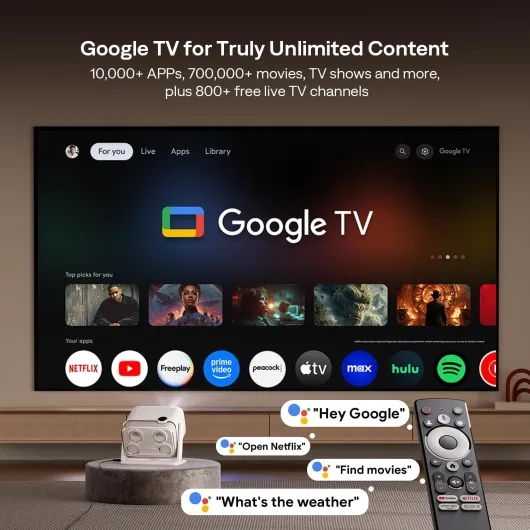
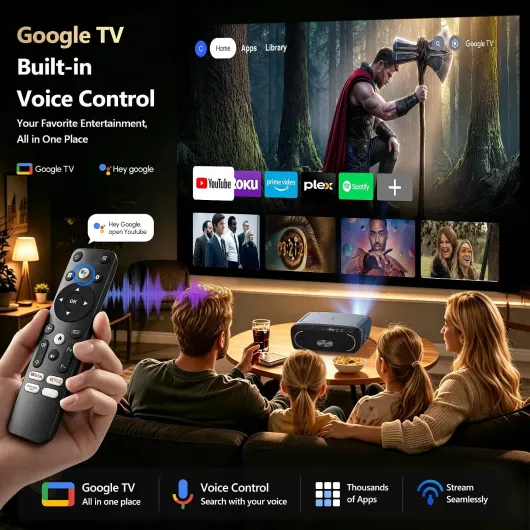
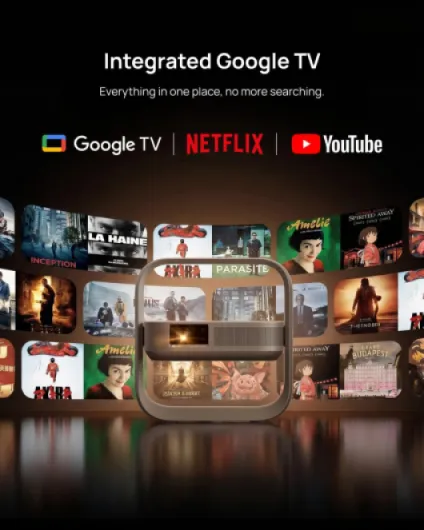
Smart platforms now define many of the best smart home theater projectors, reducing the need for external streaming boxes. BenQ smart projectors often integrate Android TV, giving direct access to major streaming apps while preserving low input lag for gaming. Epson Home models increasingly support built in streaming as well, though many enthusiasts still pair an external player for the most reliable HDR tone mapping.
Hisense and Hisense Pro ultra short throw projectors blur the line between projector and television by combining a bright laser light engine with a bundled ambient light rejecting screen. In a moderately lit living room, a Hisense Pro ultra short throw projector can function as the main display, offering a 100-inch or 120-inch image that remains bright and colorful during daytime viewing. These projectors typically run proprietary smart platforms with integrated voice control, which suits households that want a simple, television like experience.
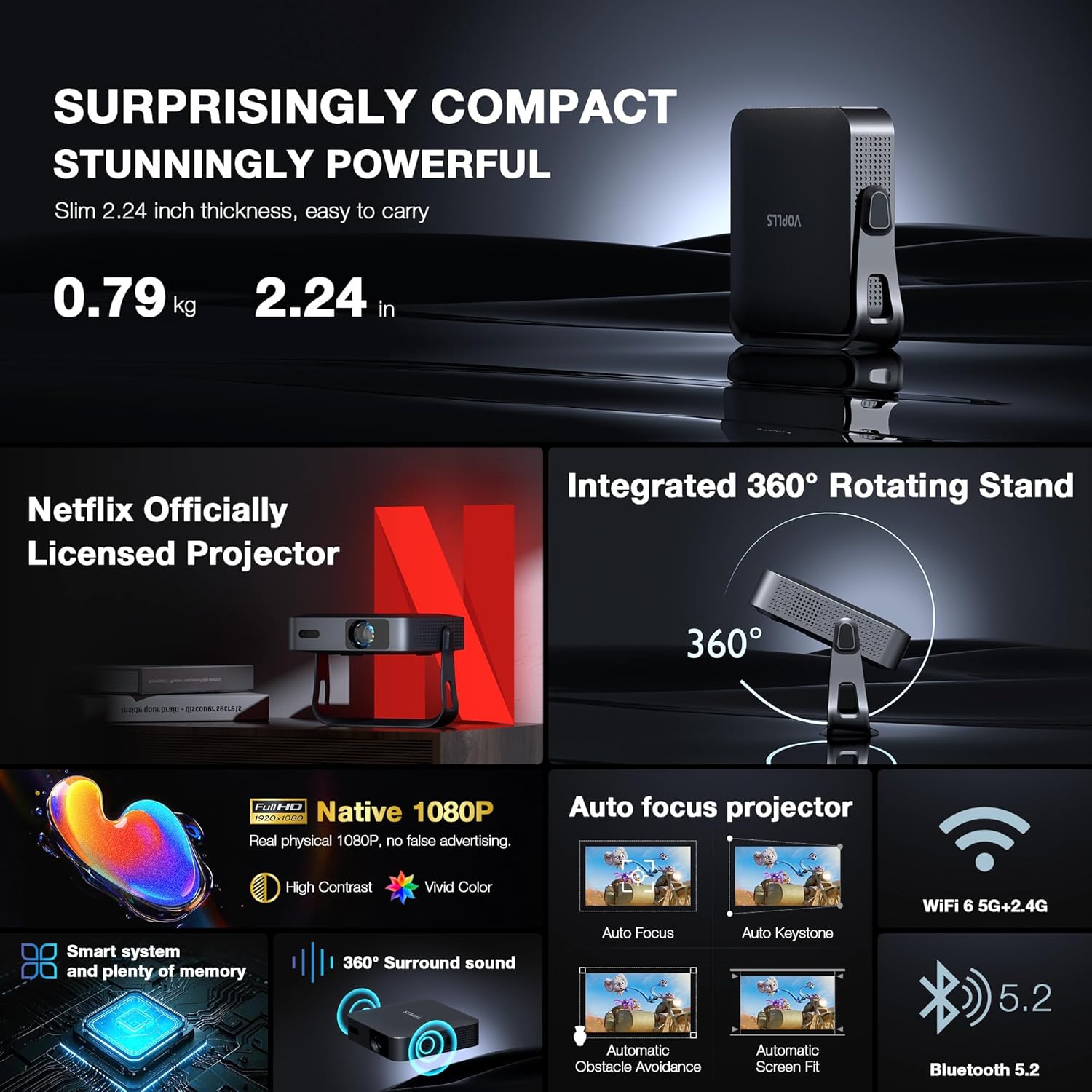
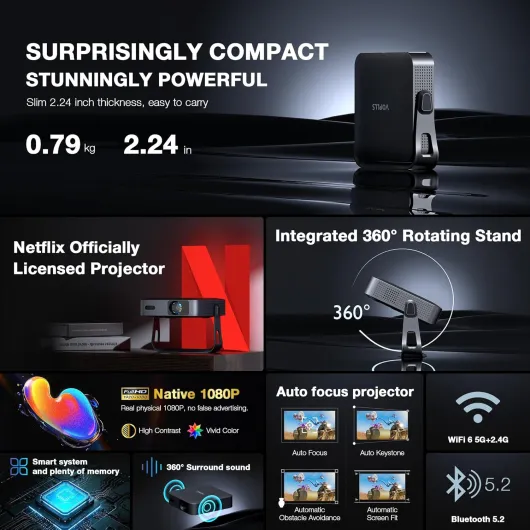
XGIMI Horizon projectors target users who want a compact, stylish home projector with strong smart features and automatic keystone and focus. While an XGIMI Horizon projector may not match the best high end home theater models for contrast, its combination of decent brightness, good color, and fast setup makes it attractive for casual big screen nights. For gift ideas that pair well with such projectors, including portable screens and sound upgrades, the curated list of cinema gifts and projector accessories offers practical inspiration.
Placement, throw distance, and screen choices for a bright, sharp picture
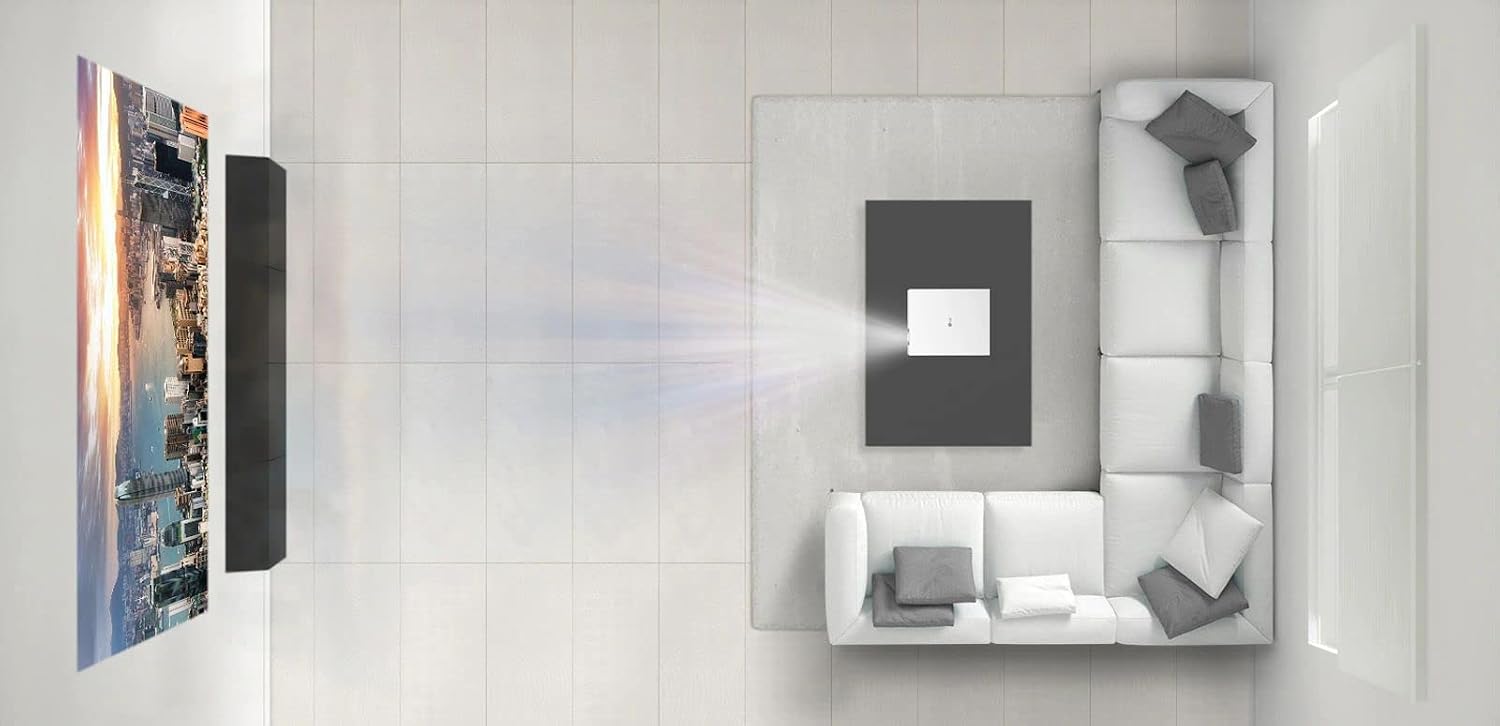
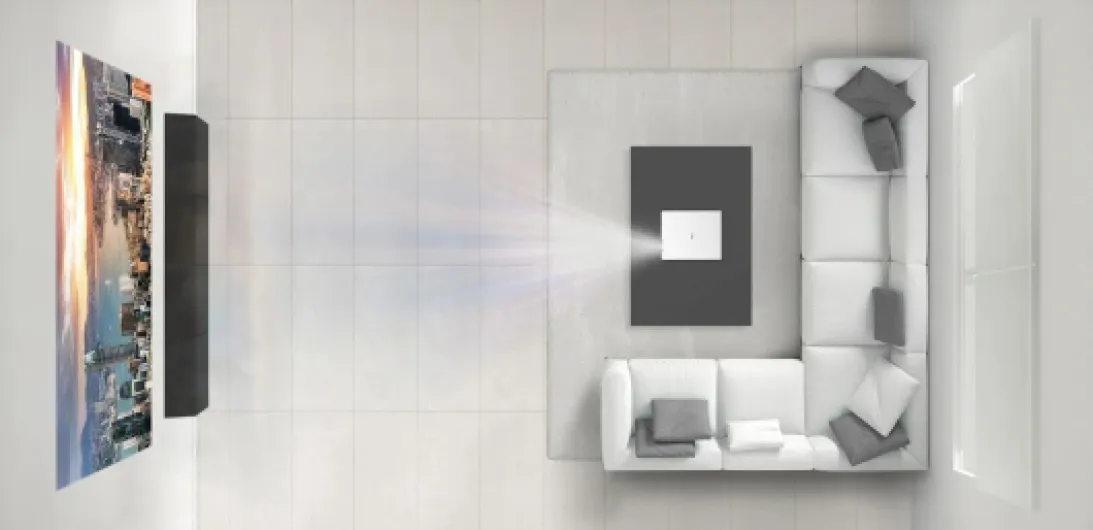
Even the best smart home theater projectors will disappoint if placement and screen choice are wrong. Start by deciding whether a standard throw projector on a ceiling mount, a short throw projector on a low table, or an ultra short throw projector on a media console fits your home. Each option changes how far the projector sits from the screen, how visible cables are, and how easily people can walk through the room without casting shadows.
For a traditional home cinema with full light control, a matte white screen with a gain around 1.0 usually provides the most natural color and uniform brightness. In a living room with more ambient light, an ambient light rejecting screen can significantly improve perceived contrast by directing projector light toward viewers while rejecting stray room light. When you read full specifications, check that the screen size you want matches the projector’s throw ratio and zoom range at your planned mounting distance.
Gamers should also consider input lag, which measures how quickly the projector responds to controller actions. Some BenQ and Epson Home models offer dedicated game modes that reduce input lag while maintaining good color accuracy and HDR performance. If you plan to use the projector for both movies and fast paced games, prioritize models that balance low latency with strong contrast and a bright, detailed image.
Matching projector performance to real world home theater use
When you compare the best smart home theater projectors, think in terms of real viewing habits rather than abstract specifications. A family that mainly watches streaming series and sports in a moderately lit living room needs high brightness, robust HDR handling, and a forgiving screen more than absolute black level perfection. By contrast, a dedicated home theater enthusiast who darkens the room completely will appreciate deeper contrast, precise color accuracy, and quieter operation even if peak lumens are slightly lower.
Laser projector models with strong ANSI lumens and stable laser light output suit mixed use spaces where the projector runs many hours each week. In such rooms, a Hisense Pro ultra short throw projector or a bright Epson Home model can function as the main display, delivering a big screen experience that rivals large televisions while still handling ambient light gracefully. For smaller homes or apartments, a compact XGIMI Horizon projector or similar short throw design can transform a simple white wall into a flexible home cinema without permanent installation.
To make these trade offs easier to visualize, imagine three typical users. In a shared living room, a bright Epson Home Cinema projector paired with an ambient light rejecting screen keeps daytime sports and streaming content vivid without blackout curtains. In a dedicated theater, a calibrated BenQ cinema model on a 100-inch matte white screen emphasizes contrast and color accuracy for movie nights. For a gamer in a small apartment, an XGIMI Horizon or similar short throw projector on a portable screen offers low fuss setup, acceptable input lag, and a large image that can be packed away when not in use.
Ultimately, the best high performing projector is the one that fits your room, your screen, and your viewing style. Pay close attention to how brightness, contrast, and color interact with your specific ambient light conditions, and do not underestimate the impact of throw distance and placement on daily usability. When you read full reviews and compare projectors from BenQ, Epson, Hisense, and other brands, focus on measured performance and long term reliability rather than marketing slogans about light output alone.
For a quick at a glance buying checklist, confirm that the projector offers enough ANSI lumens for your room lighting, a throw ratio that matches your screen size and mounting distance, input lag under 25 ms if you play games, support for the HDR formats you watch most, and a light source lifespan that aligns with how many hours you expect to use it each week.
Key statistics about smart home theater projectors
- Many mainstream home theater projectors now deliver between 2,000 and 3,000 ANSI lumens, which is sufficient for a 100-inch screen in a moderately lit room according to measurements from major review laboratories.
- Laser light source projectors often claim lifespans of 20,000 hours or more, meaning that at 4 hours of viewing per day they can operate for over 13 years before reaching half brightness, based on manufacturer specifications from brands such as Epson and Hisense.
- Input lag on gaming focused projectors has dropped below 20 ms on several BenQ and Epson Home models, a level considered responsive enough for competitive console gaming by specialist gaming display reviewers.
- Ultra short throw projectors typically achieve a 100-inch image from distances of around 20 to 30 cm from the wall, which allows them to replace large televisions in living rooms where ceiling mounting a standard throw projector is impractical.
- Independent tests have shown that ambient light rejecting screens can noticeably improve perceived contrast in bright rooms compared with matte white screens, significantly enhancing HDR impact for daytime viewing.

![[Officially-Licensed APP & Native 1080P] Smart Projector with 4K Support, Compatible with Netflix, Mini Projector with WiFi and Bluetooth, Auto Focus & Keystone 360° Rotatable Home Theater X6Pro Black](https://www.home-theater-projector-guru.com/storage/887690/conversions/71JbuWMLRDL._AC_SL1500_-medium.webp)
![[Native 1080P/AI Auto Focus] Smart Projector for Bedroom, 600 ANSI 4K Support, WiFi 6 and Bluetooth 5.4, Android 11 OS Built-in Apps, Auto Keystone 270° Rotatable for Home Theater Outdoor Movie LumeCube 300](https://www.home-theater-projector-guru.com/storage/925940/conversions/81ZZBbuSzlL._AC_SL1500_-medium.webp)