Best short throw and ultra short throw projectors for a compact home theater
Key buying criteria for the best short throw home theater projectors
Choosing among the best short throw home theater projectors starts with understanding brightness and contrast. Look for at least 2,200 to 2,500 ANSI lumens for a dim room, and closer to 3,000 lumens if you expect some ambient light. Higher brightness helps the projector maintain a punchy image, but contrast and black levels still determine how cinematic the home theater feels.
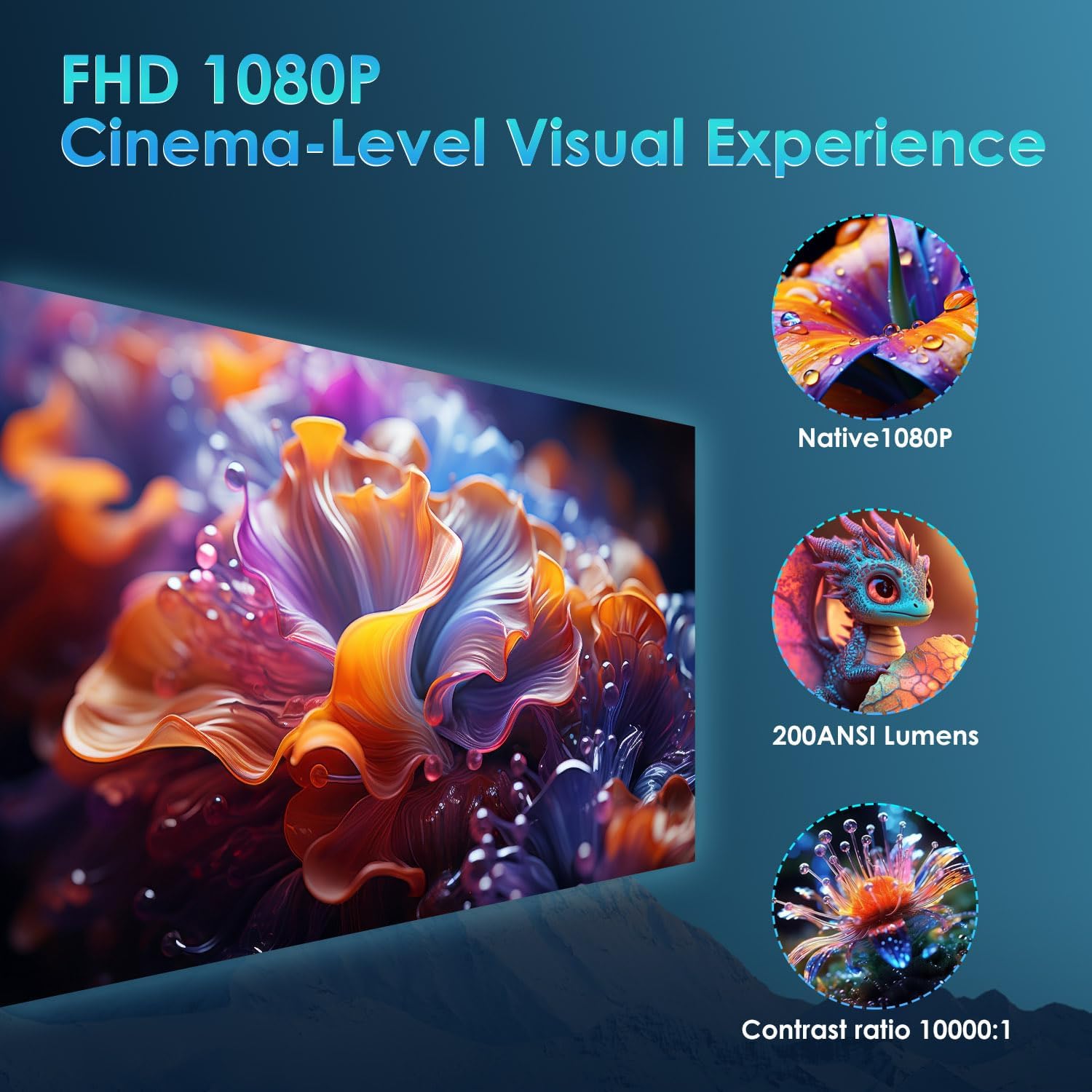
Contrast ratio expresses the difference between the darkest black and brightest white the projector can produce. A good laser projector with a strong light source and effective dimming can reach impressive dynamic contrast, which helps shadow detail in films. When you compare projectors, focus less on marketing numbers and more on real world performance in calibrated reviews that show how the image holds up on a 100 inch screen, including measured on/off contrast and ANSI contrast figures.
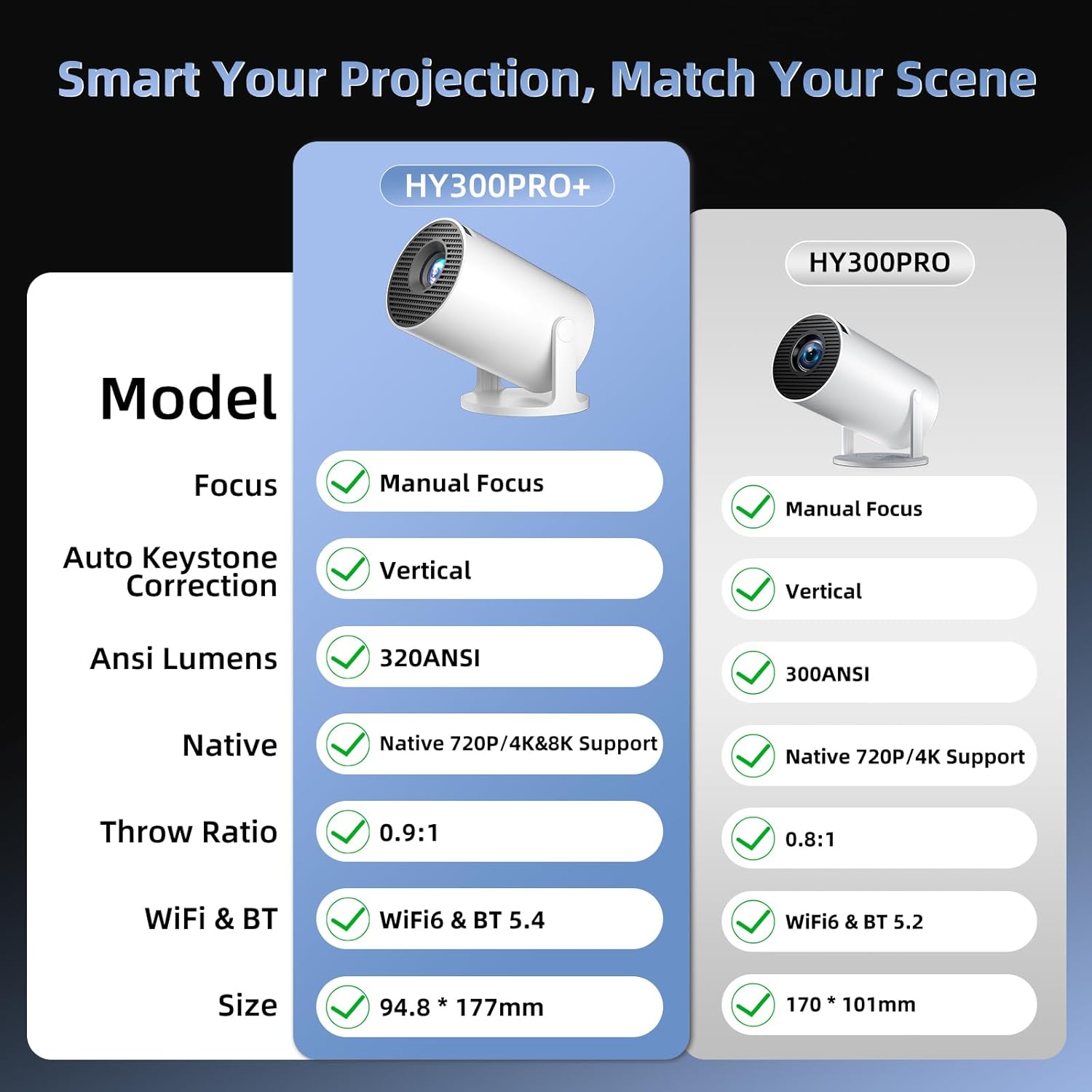
Throw ratio is another critical metric for short throw and ultra short throw projectors. A short throw projector might have a throw ratio around 0.5:1, while an ultra short throw projector can go below 0.3:1, which allows placement almost against the wall. This low ratio means UST projectors and other throw projectors can work in rooms where a traditional long throw projector simply cannot fit.
People in apartments or multipurpose living rooms should pay close attention to placement flexibility. A UST projector can sit on a low cabinet just below the screen, avoiding ceiling mounts and complex cable runs. For more guidance on projectors that survive apartment life without a ceiling mount or dedicated room, you can study this detailed guide on compact projector setups for small spaces.
Laser light, image quality, and why brands like Epson and Formovie matter
Laser light has become the defining technology for the best short throw home theater projectors. A high quality laser light source offers instant on behaviour, consistent brightness, and more accurate colour than many lamp based projectors. Because the laser source degrades slowly, the projector maintains its image quality for a long period, which protects your investment.
Epson has pushed this trend with its Epson EpiqVision and EpiqVision Ultra ranges, which combine a laser projector engine with refined video processing. An Epson EpiqVision ultra short throw projector such as the LS800, measured by ProjectorCentral at roughly 3,800 ANSI lumens with calibrated contrast around 2,000:1, can deliver strong brightness and a balanced contrast ratio, making it suitable for mixed content from films to sports. These Epson projectors often include a capable sound system, so a new home theater can start with only the projector and a screen.
Formovie Theater is another reference point in the ultra short throw category. The Formovie Theater laser projector uses a triple laser light source to cover a wide colour gamut, which helps HDR films look more lifelike on a large screen. RTINGS and other reviewers report peak brightness close to 2,000 ANSI lumens in calibrated modes, a measured native contrast ratio above 3,000:1, and input lag around 40 ms, which shows how this UST projector balances brightness, contrast, and colour accuracy in a way that rivals more expensive pro cinema gear.
Short throw projectors aimed at enthusiasts sometimes carry names like Vision LTV, LTV Pro, Aurora Pro, or NexiGo Aurora. A model such as the Vision LTV or Vision LTV Pro typically combines a bright laser light engine with a low throw ratio, which suits living rooms where the projector must sit close to the wall. The NexiGo Aurora Pro and similar Aurora Pro smart projector designs integrate streaming platforms, voice control, and advanced image processing into a single compact home device.
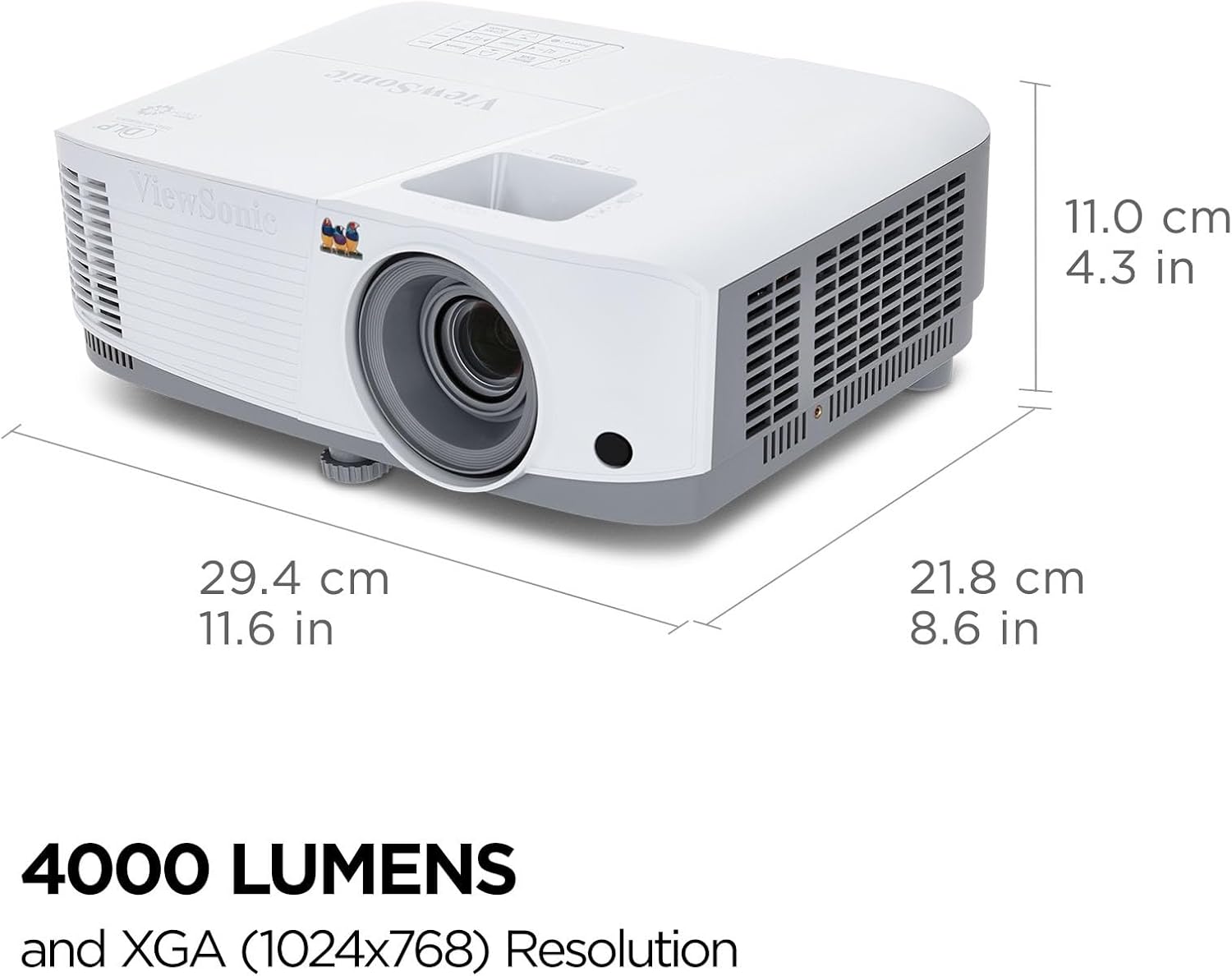
For education or business users who still want short throw flexibility, dedicated models with around 4,000 lumens and a 0.52 throw ratio can be compelling. A detailed test of a 4,000 ANSI lumens WXGA short throw business and education projector with dual HDMI, USB Type A, and a 0.52 throw ratio can be found in this in depth review of a short throw projector for classrooms and meeting rooms. While these projectors are not always tuned for home theater contrast, their high brightness and flexible throw make them useful in bright multipurpose spaces.
Ultra short throw specialists: AWOL Vision, Vision LTV, and NexiGo Aurora
Several brands now specialise in ultra short throw projectors that target serious home theater fans. AWOL Vision has built a reputation for bright UST projectors that pair well with ambient light rejecting screens in living rooms. An AWOL Vision ultra short throw projector such as the LTV-3500, measured by ProjectorCentral at roughly 3,500 ANSI lumens with a throw ratio around 0.25:1, often uses a powerful laser light source and a robust sound system, which makes it a strong all in one solution.
The Vision LTV and Vision LTV Pro families focus on combining high lumens output with refined colour tuning. A Vision LTV Pro model can project a 120 inch image from just a few tens of centimetres, while still maintaining good contrast and sharpness across the screen. These throw projectors are designed for people who want the best short throw home theater projectors but do not have space for a long throw projector at the back of the room.
NexiGo Aurora and NexiGo Aurora Pro models illustrate how the smart projector concept has evolved. A NexiGo Aurora smart projector integrates streaming apps, Wi Fi, and voice assistants, so the home theater can run without an external media box. The NexiGo Aurora Pro steps this up with higher brightness, improved contrast ratio, and a more capable sound system that can replace a basic soundbar.
Ultra short throw projectors from these brands often appear on Amazon and other major retailers. When browsing Amazon listings for a UST projector or laser projector, pay attention to real user photos that show the image in typical home lighting. Those images reveal how the projector handles reflections, how uniform the brightness looks, and whether the ultra short throw optics introduce any distortion near the edges of the screen.
Room setup, screens, and getting the most from short throw projectors
Even the best short throw home theater projectors need a carefully planned room to shine. Start by deciding the screen size you want, typically between 90 and 120 inches for most homes. Then check the throw distance chart for your chosen throw projector or UST projector, because each model has a specific ratio that dictates how close it must sit.
Ultra short throw projectors work best with dedicated screens designed for their steep light angle. An ambient light rejecting screen for UST projectors uses a special surface that reflects light from below, while rejecting light from windows or ceiling lamps. This design helps maintain brightness and contrast, so the image remains vivid even when the room is not completely dark.
Wall quality matters more than many people expect. A slightly uneven wall can cause focus issues or subtle distortions, especially with ultra short throw optics that spread light across a very wide angle. If you cannot install a fixed frame screen, consider a tensioned pull down screen that keeps the surface flat for both short throw and ultra short throw projectors.
Sound is the other half of the home theater equation. While many UST projectors include a built in sound system, a separate audio setup with a compact AV receiver and bookshelf speakers will usually outperform any integrated speakers. If space is tight, pairing a laser projector with a quality soundbar and wireless subwoofer can still create a convincing cinema effect without overwhelming the room.
People living in rented apartments often worry about drilling or ceiling mounts. Short throw and ultra short throw projectors solve this by sitting on low furniture, which avoids permanent installation and keeps cables accessible. For more ideas on flexible layouts, you can read a practical guide about projectors that work without a ceiling mount or dedicated room, which explains how to adapt a projector to changing living situations.
Smart features, streaming, and everyday use of short throw projectors
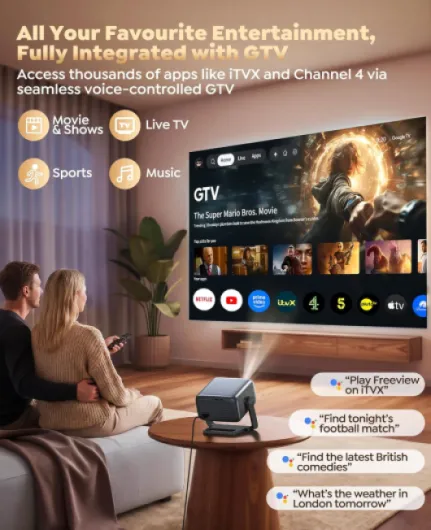
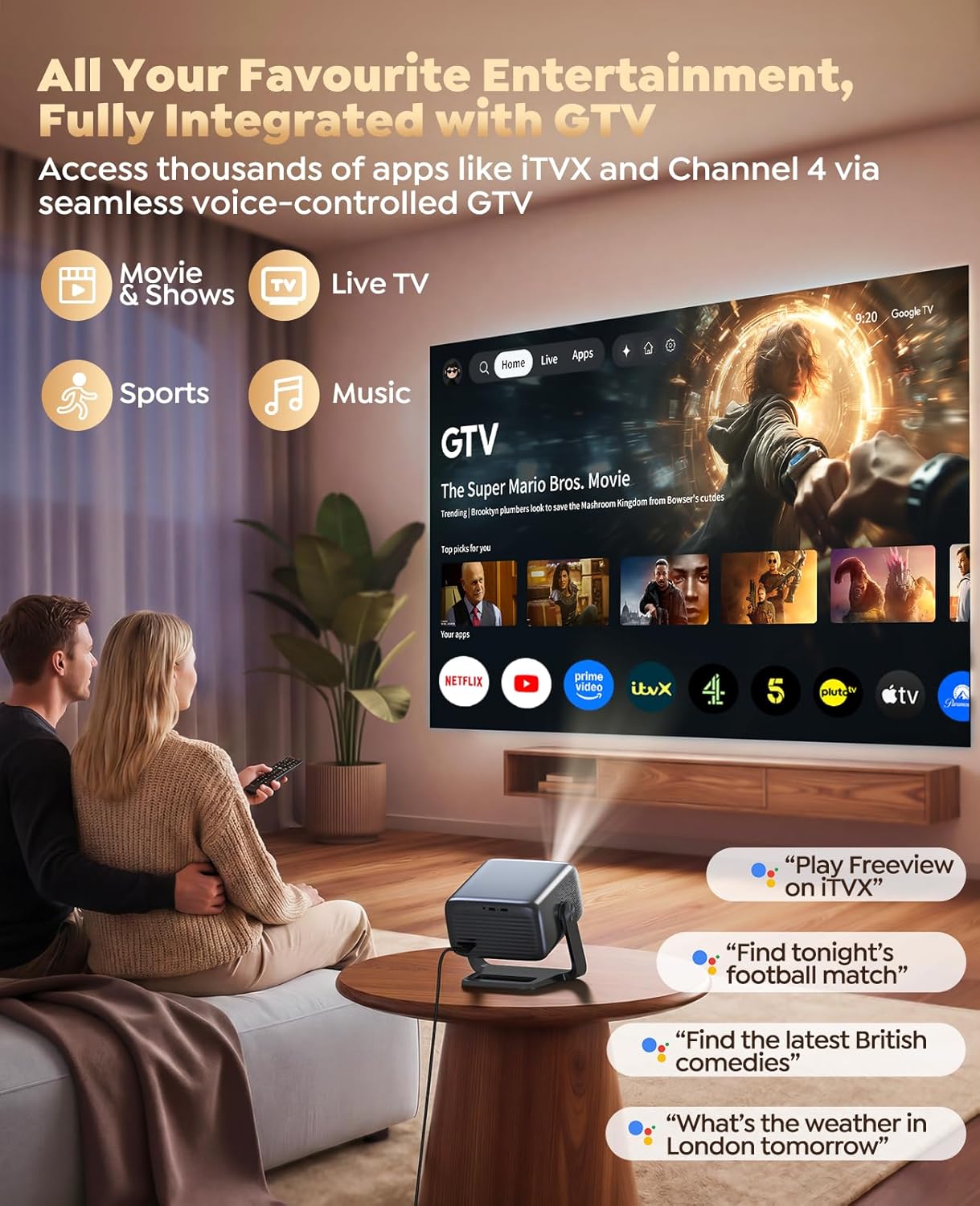
Modern short throw projectors are no longer just display devices. A smart projector integrates streaming platforms, voice assistants, and wireless casting, which turns the projector into the central hub of the home theater. This integration matters because it simplifies daily use and encourages the family to use the projector instead of defaulting to a smaller television.
Many of the best short throw home theater projectors now run Android TV or similar systems. That means you can access major streaming services directly from the projector, control playback with a single remote, and cast content from smartphones without extra hardware. Some ultra short throw models also support low latency gaming modes, which reduce input lag for console players who want a huge screen without sacrificing responsiveness.
Energy efficiency is another advantage of laser based short throw projectors. A laser light source can deliver high lumens output with lower heat and more stable brightness over time, which reduces maintenance and running costs. Because the light engine is sealed in many laser projectors, dust intrusion is less of a problem than in older lamp based designs.
Everyday usability also depends on noise levels and warm up time. Laser projectors reach full brightness almost instantly, so you can start a film or a sports match without waiting for a lamp to stabilise. Fan noise has improved significantly in recent UST projectors, but you should still check measured decibel levels in reviews if you plan to sit very close to the projector in a compact home theater.
Key figures and market trends for short throw and ultra short throw projectors
- Market analysts have reported that ultra short throw projector shipments grew by more than 30% year over year in recent periods, reflecting strong demand from people replacing large televisions with UST projectors in living rooms. Industry summaries from firms such as Futuresource Consulting and Omdia have highlighted this double digit growth in the UST segment and expect continued expansion as laser prices fall.
- Many mainstream ultra short throw projectors now target brightness levels between 2,500 and 3,500 lumens, which allows a 100 to 120 inch image to remain watchable in rooms with moderate ambient light when paired with an appropriate screen.
- Typical laser light source lifespans for home theater projectors are rated around 20,000 hours, which translates to several hours of viewing every day for more than a decade before noticeable brightness loss.
- Surveys of home cinema enthusiasts show that more than half of new projector buyers consider a short throw or ultra short throw design, mainly because of easier installation and the ability to avoid ceiling mounts.
- Integrated sound systems in premium UST projectors often deliver between 30 and 60 watts of total power, which is sufficient for casual viewing but still trails the dynamic range and spatial precision of dedicated surround sound systems.