Brightness, hdr and color: getting the most from your room
Brightness is often misunderstood when people compare the best lcd home theater projectors for a mixed use living room. Manufacturers quote ansi lumens, but the effective brightness on your wall or screen depends on throw distance, screen gain, and ambient light in the home. A projector rated at 2 000 to 2 500 ansi lumens can look high impact in a dark theater, yet feel washed out in a bright lounge.
HDR formats such as HDR10 and Dolby Vision demand careful tone mapping from the projector to avoid crushed blacks or blown highlights. LCD projectors rarely reach the peak brightness of premium laser models from brands like Sony or JVC DLA series units, so smart tone mapping becomes essential to preserve shadow detail. When you read projector reviews, look for comments about how the review best describes highlight control and midtone balance rather than chasing a single maximum nit figure.
Color performance also separates average projectors from the best projector choices for serious home cinema. Many LCD home theater projectors now cover a wide color gamut, but only some maintain that color volume at higher brightness levels, which matters for HDR sports and animation. If you plan to route multiple HDMI sources through an AV receiver, check that the projector supports the latest HDMI standards for HDR passthrough and that reviews mention stable color calibration over time.
For readers interested in wireless sound, pairing one of the best lcd home theater projectors with a model that supports Bluetooth audio can simplify installation. A detailed guide to top home theater projectors with Bluetooth audio output explains how latency and codec support affect lip sync and perceived quality. Using such a resource while comparing price and specifications helps you avoid mismatches between your projector, soundbar, and streaming devices.
Throw distance, room size and screen choices for lcd projectors
Room geometry strongly influences which of the best lcd home theater projectors will actually fit your space. Traditional long throw projectors need several metres between lens and screen, while short throw models can create a large image from closer positions, and ultra short throw units sit almost against the wall. Before reading any glowing review, measure your home cinema area carefully and compare it with each projector’s throw ratio chart.
Short throw and ultra short throw LCD theater projectors are especially attractive for multipurpose living rooms where ceiling mounting is difficult. These designs reduce shadows and cable clutter, but they also demand a very flat screen surface because any waviness becomes visible at such a steep projection angle. When projector reviews mention focus uniformity and edge sharpness, pay attention, since these traits are more challenging to maintain with aggressive short throw optics.
Screen selection can transform a good projector into the best projector for your particular home theater. A detailed explanation of screen gain and why a 0.6 gain ALR material can outperform a 1.3 gain white screen in certain rooms shows how ambient light rejection works in practice. If you plan to give a cinema themed gift, curated lists of projectors, screens, and gear a dad will actually use can help match throw distance, screen size, and price to real living spaces rather than theoretical specifications.
Black levels, contrast ratio and hdr tone mapping
Many buyers focus on lumens, yet black levels and contrast ratio often define whether the best lcd home theater projectors feel truly cinematic. LCD projectors historically struggled to match the deep black performance of some DLP or high end JVC DLA models, but improved optical blocks and dynamic irises have narrowed that gap. When you read a review, look for side by side comparisons of dark scenes rather than only daylight sports footage.
Native contrast and dynamic contrast are not interchangeable, and understanding the difference helps you interpret projector reviews more critically. Native contrast describes the inherent ability of the projector’s optical system to separate black from white in a single frame, while dynamic contrast often relies on dimming the light source between scenes. For home cinema use, a projector with strong native contrast usually preserves more shadow detail and avoids the pumping brightness that can distract during slow, moody films.
HDR tone mapping is another area where the best lcd home theater projectors distinguish themselves from cheaper projectors. Good tone mapping algorithms analyse the incoming HDR signal and adapt it to the projector’s limited brightness, maintaining highlight detail without sacrificing midtone texture. When a review best highlights how a projector handles HDR, notice whether the reviewer mentions adjustable tone mapping curves, since these controls let you tailor the image to your screen size and room darkness.
Laser light sources, sony bravia options and connectivity
The shift from traditional lamps to a laser light source has reshaped expectations for the best lcd home theater projectors. Laser projector designs offer faster start up, more stable brightness, and longer service life, which can offset a higher purchase price over many years of home use. For families who watch several hours of content each evening, reduced maintenance and consistent color may matter more than absolute peak lumens.
Sony Bravia projectors illustrate how premium LCD and LCOS based theater projectors integrate advanced processing with robust hardware. A Bravia projector often combines precise pixel shifting with refined motion handling, which benefits both films and live sports in a home cinema. Some Sony models also support advanced HDR formats and refined tone mapping, making them strong candidates when you compare the best projector options in higher price brackets.
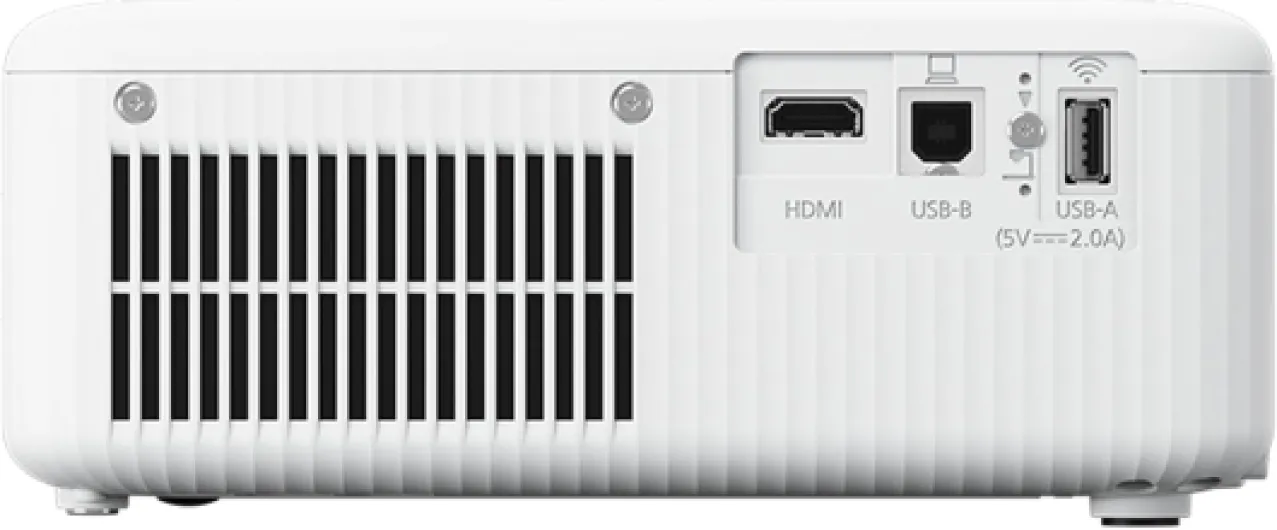
Connectivity remains a practical concern, especially as more devices compete for HDMI inputs on your projector. Look for at least two HDMI ports that support modern standards, along with options for eARC or optical audio if you route sound to an external system. Reliable networking, whether wired or wireless, also helps when streaming HDR content, since unstable connections can undermine even the highest quality picture quality that your projector can produce.
How to read projector reviews and match them to real needs
Choosing among the best lcd home theater projectors means going beyond marketing claims and learning how to interpret detailed reviews. A thoughtful review should describe not only laboratory measurements such as ansi lumens and contrast ratio, but also how the projector behaves in a typical home theater with imperfect light control. When you compare multiple projectors, focus on recurring comments about motion handling, fan noise, and ease of calibration.
Projector reviews that include calibrated measurements of color accuracy, grayscale tracking, and gamma response provide a more reliable picture of overall quality. If a review best explains how the projector performs both out of the box and after basic adjustments, you can judge whether you are comfortable tweaking settings or prefer a model that looks strong immediately. Pay attention to how reviewers describe black levels, highlight detail, and skin tones, since these aspects often separate good projectors from truly best in class theater projectors.
Finally, align every review with your own priorities, whether that is gaming responsiveness, film fidelity, or flexible placement. A gamer might value low input lag and high refresh support over absolute black depth, while a film lover in a dark home cinema may prioritise native contrast and quiet operation. By weighing picture quality, throw flexibility, price, and long term reliability together, you can select the best projector for your home rather than chasing specifications that matter more on paper than on your wall.
Key figures about lcd home theater projector performance
- Many mainstream LCD home theater projectors deliver between 1 500 and 3 000 ansi lumens, which suits screen sizes around 100 to 120 inches in a dim room according to typical manufacturer recommendations and independent test measurements.
- Premium home cinema projectors often target a contrast ratio above 10 000:1, while some high end models from brands like JVC quote much higher dynamic figures that rely on light source modulation and iris control in real world reviews.
- Laser light sources in modern projectors frequently offer rated lifespans of 20 000 hours or more, a figure echoed across major brand spec sheets and long term usage reports, which can equate to over a decade of viewing at several hours per day before significant brightness loss.
- Many current 4K capable LCD and LCOS projectors use pixel shifting to display approximately 8.3 million addressable pixels on screen, even when the native panel resolution is lower, which helps control price while improving detail according to manufacturer white papers.
- Consumer surveys from major electronics retailers consistently show that screen sizes between 100 and 120 inches remain the most popular for home theater installations, balancing immersion with typical European and urban living room dimensions reported in buying guides.
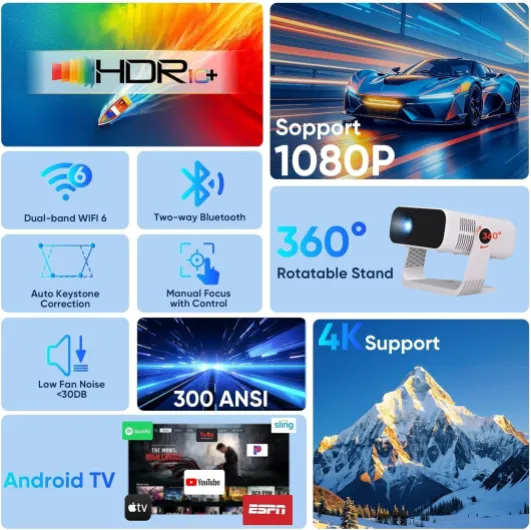

![[2025 Upgraded & Android 11.0] Mini Projector Native 720P HD, Supports 4K 1080P, XGODY Gimbal 3 Portable Projector 12000 Lumen, WiFi 6, Bluetooth, Auto Keystone, Video Projector for Home Cinema White](https://www.home-theater-projector-guru.com/storage/925967/conversions/71Ow1RLxylL._AC_SL1500_-medium.webp)
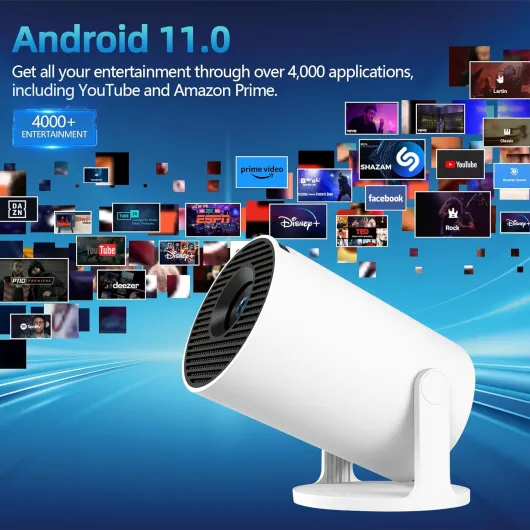
![[2025 Upgraded & Android 11.0] Mini Projector Native 720P HD, Supports 4K 1080P, XGODY Gimbal 3 Portable Projector 12000 Lumen, WiFi 6, Bluetooth, Auto Keystone, Video Projector for Home Cinema White](https://www.home-theater-projector-guru.com/storage/925967/71Ow1RLxylL._AC_SL1500_.jpg)