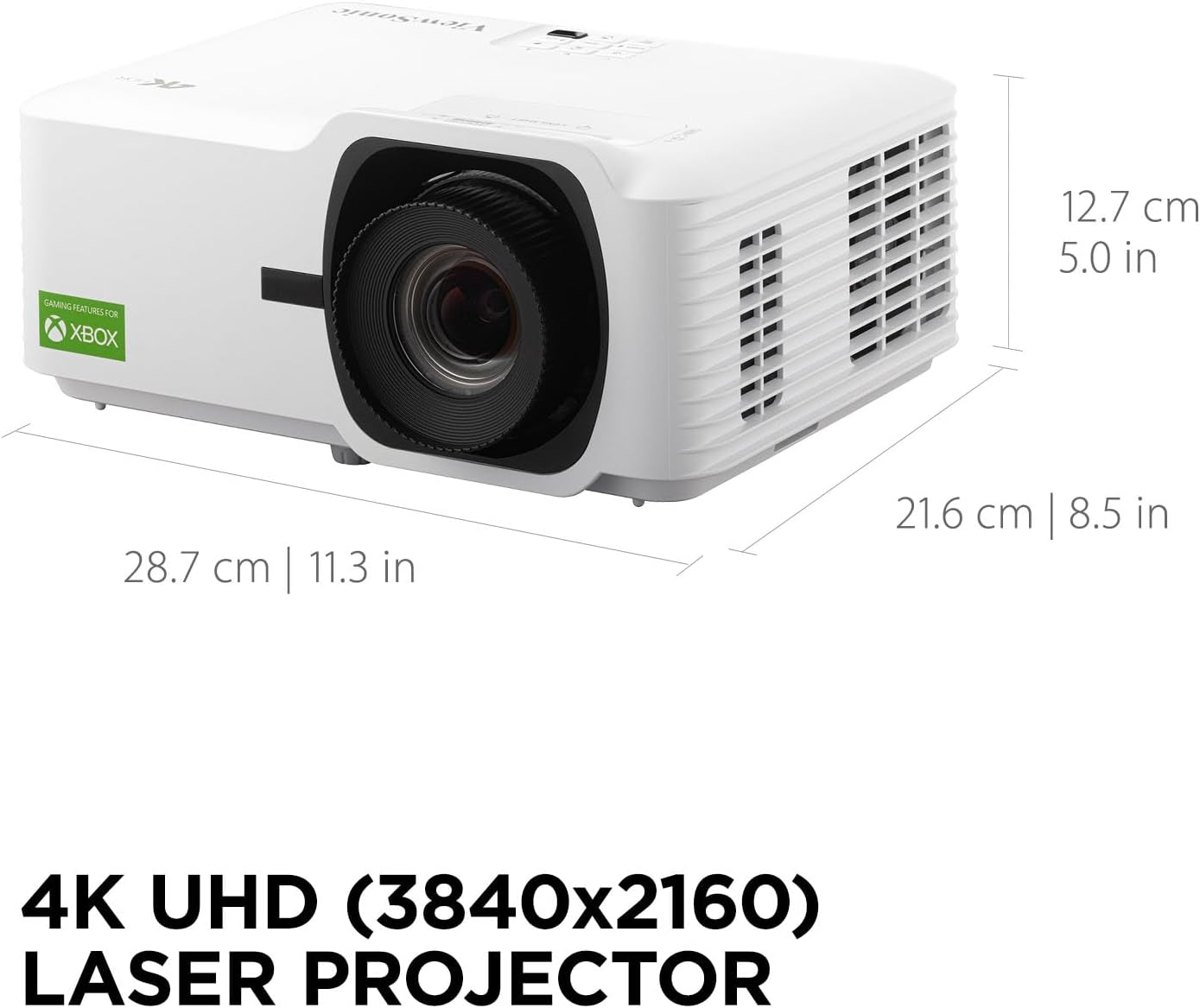
Key technologies that separate the best laser home theater projectors
Understanding the technology behind the best laser home theater projectors helps you avoid paying for features you will never use. At the heart of every laser projector is its light source, which can be a single blue laser with phosphor, an rgb laser array, or a sophisticated triple laser system. Each light source design affects color gamut, brightness, and how faithfully the projector reproduces HDR content on a calibrated screen.
Single laser and phosphor systems, common in many Epson Pro and BenQ models, balance price and performance for typical home cinema setups. Triple laser and rgb laser engines, often seen in Hisense and AWOL Vision ultra short throw projectors, push color saturation and uhd ultra clarity for demanding enthusiasts. When combined with a capable DLP or lcd laser imaging block, these light engines can deliver crisp detail and smooth motion that flatter both films and sports.
Brightness ratings, usually expressed in lumens or ANSI lumens, are another critical specification when comparing theater projector options. A projector with higher ANSI lumens can better handle ambient light in a multipurpose home, especially when paired with an ambient light rejecting screen. However, in a dark home theater, excessive lumens can reduce perceived contrast, so the best choice depends on your room and viewing habits.
Maintenance is also different with laser projectors compared with lamp based models, particularly when you eventually need to service or replace components. While you no longer swap lamps regularly, you still must understand how to manage filters, optics, and potential light source degradation over time. For readers still using lamp based units, learning how to effectively replace your projector lamp remains essential until you upgrade to a laser home theater projector.
Throw distance, room size, and choosing between short throw and ultra short throw
Room geometry plays a decisive role when selecting among the best laser home theater projectors. Traditional long throw projector designs need several metres of distance to create a large image, which suits dedicated home cinema rooms. In smaller apartments or multipurpose living spaces, a short throw projector or ultra short throw projector often makes far more sense.
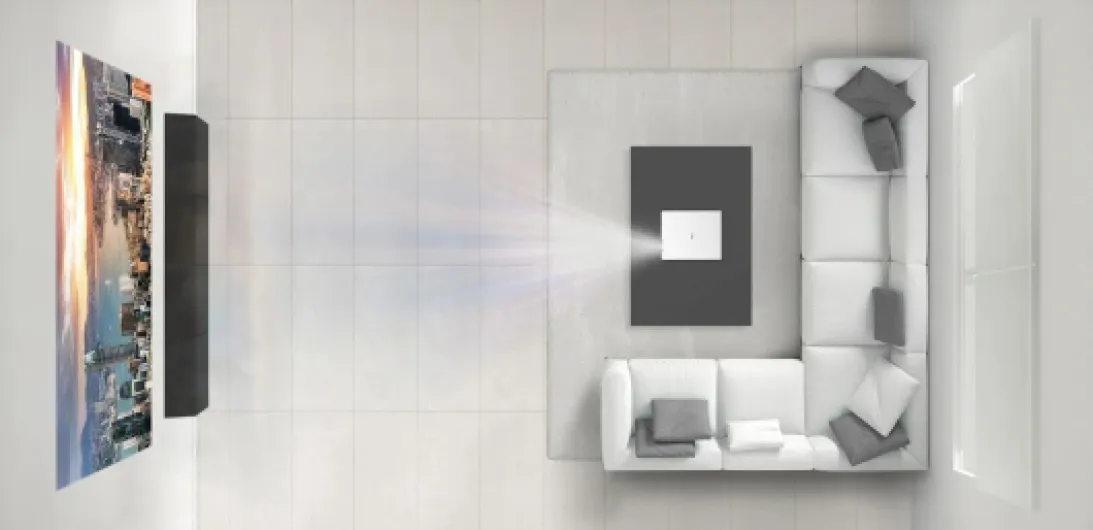
A short throw projector can create a 100 inch image from roughly 1 to 1.5 metres, depending on the model. This short throw flexibility reduces shadows when people walk in front of the screen and simplifies ceiling mounting in compact home theater spaces. Ultra short throw designs go further, placing the projector just centimetres from the wall while still producing a massive picture.
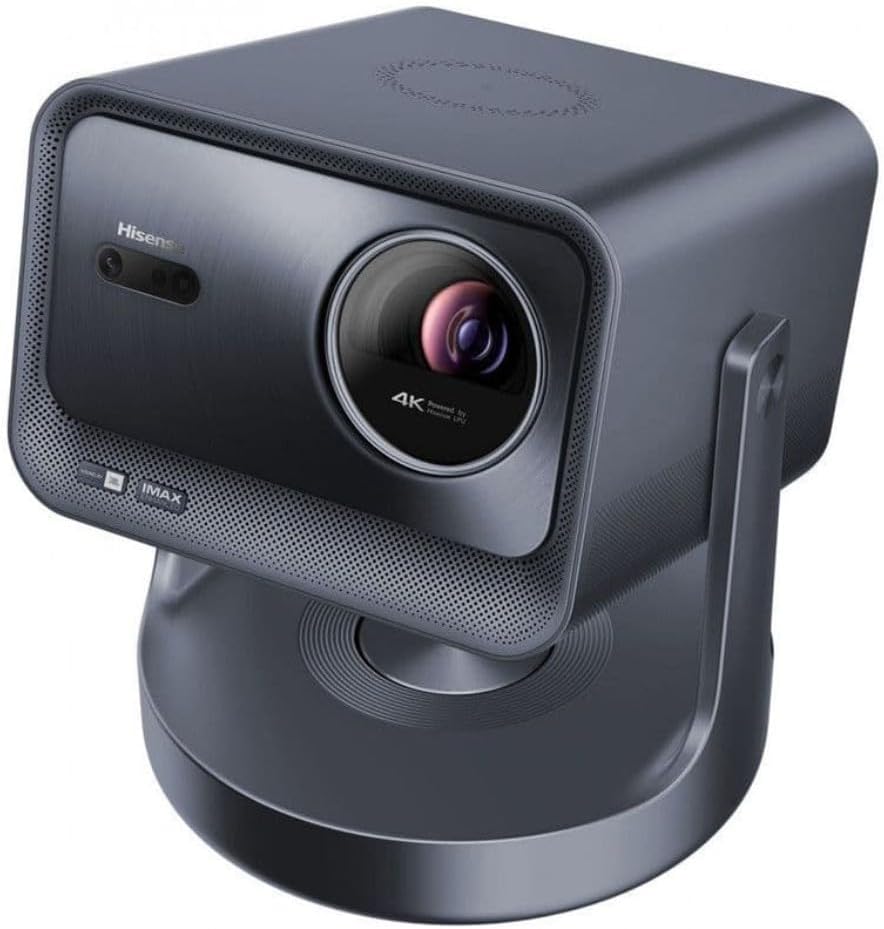
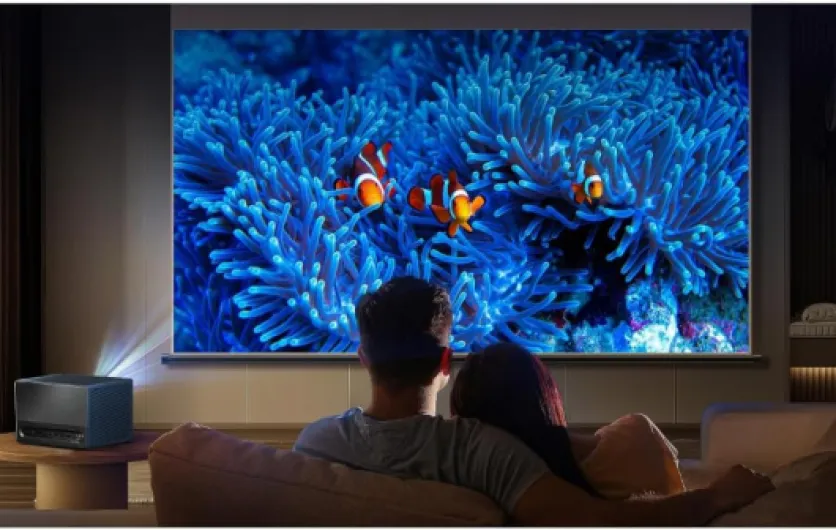
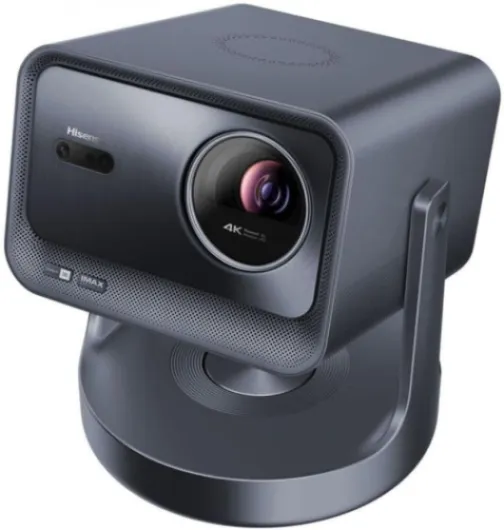
Many of the best laser home theater projectors in the ultra short category come from Hisense, Epson, BenQ, and AWOL Vision. Models such as the Hisense LTV Pro series and various AWOL Vision LTV Pro variants use triple laser engines to achieve vibrant color and strong HDR performance at typical living room viewing distances. When combined with a dedicated ultra short throw screen, these projectors can replace a large television for everyday home cinema use.
Buyers should also consider specific product families like Sony VPL and Epson Pro when evaluating throw projector options. A Sony VPL laser projector often targets enthusiasts who want reference level home cinema performance with precise lens adjustments and flexible throw ratios. Before committing to any theater projector, it is wise to understand how to choose the right replacement parts for your projector, because long term support affects the real price of ownership.
Image quality, HDR performance, and screen pairing in a real home
Image quality from the best laser home theater projectors depends on more than raw lumens or marketing claims. A well engineered laser projector must balance brightness, contrast, color accuracy, and motion handling to produce a convincing cinematic image. When HDR content is involved, tone mapping and dynamic contrast controls become just as important as the rated ANSI lumens.
Many Sony VPL and Epson Pro laser projectors excel at nuanced HDR reproduction, especially when calibrated for a specific screen size and gain. DLP based laser projectors from BenQ and Hisense often deliver sharp perceived detail and strong motion clarity, which benefits sports and gaming in a bright home. Lcd laser designs, frequently used in Epson home cinema models, can provide smooth gradations and stable color, which some viewers prefer for film oriented theater rooms.
Screen choice is another critical factor that many home cinema buyers underestimate. A high quality fixed frame screen with appropriate gain can maximize the light output from a laser projector while preserving black levels in a dark home theater. In brighter living rooms, pairing an ultra short throw projector with an ambient light rejecting screen can dramatically improve perceived contrast and make HDR highlights stand out.
For those building a complete home cinema, integrating audio upgrades such as an in wall subwoofer can transform immersion. A detailed guide on how an in wall subwoofer transforms your home theater projector experience shows how bass management complements the visual impact of laser projectors. When image and sound are both optimized, the best laser home theater projectors finally deliver a cohesive theater experience that justifies their higher price.
Brand ecosystems, pricing tiers, and how to interpret real world reviews
Navigating brand ecosystems is essential when comparing the best laser home theater projectors across different budgets. Sony, Epson, Hisense, BenQ, and AWOL Vision each position their laser projector lineups to target specific types of home cinema users. Understanding these strategies helps you interpret every glowing or critical review with more nuance.
Sony VPL models typically sit in the premium tier, focusing on reference grade home theater performance, refined optics, and advanced HDR processing. Epson Pro and Epson home cinema projectors often balance price and performance, offering lcd laser engines with strong brightness and flexible installation for varied home layouts. Hisense and AWOL Vision concentrate heavily on ultra short throw and LTV Pro series units, using triple laser engines to compete directly with large televisions in bright living rooms.
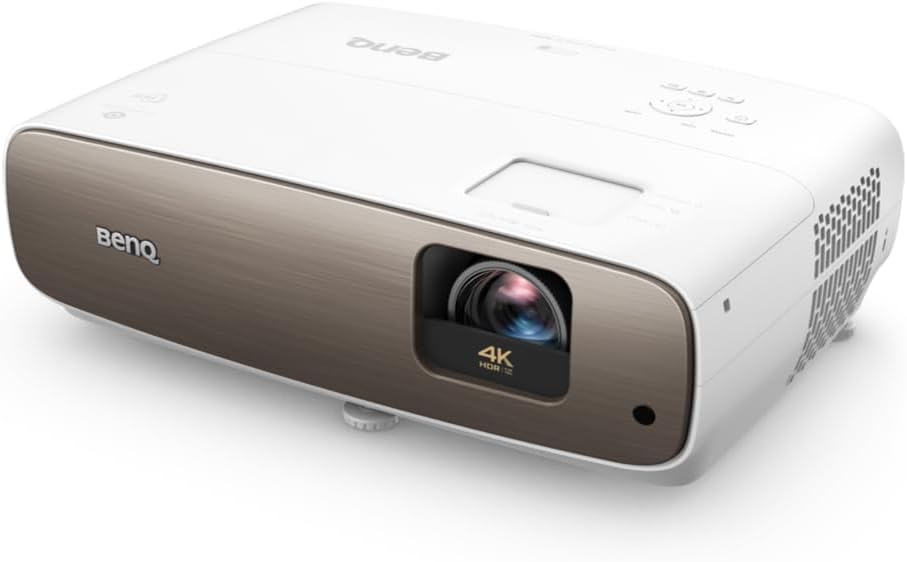
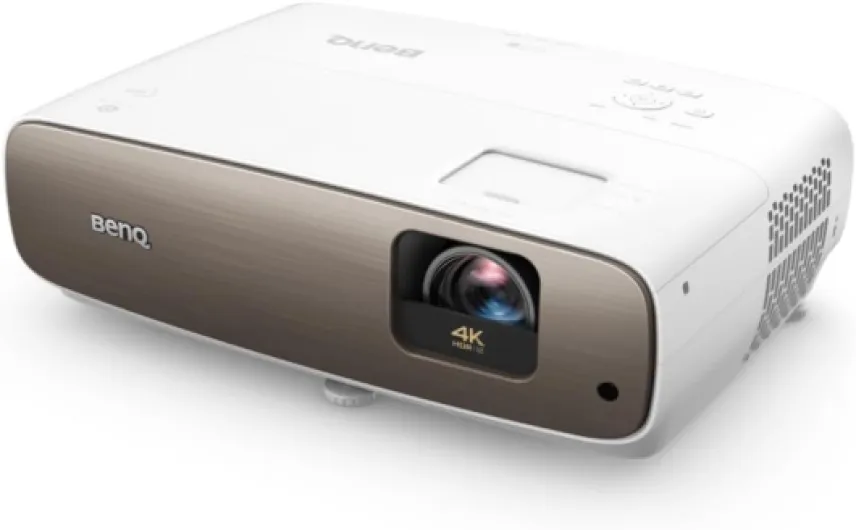
BenQ, known for its DLP expertise, offers both short throw and long throw projector designs that appeal to gamers and film fans seeking value. Many BenQ laser projectors emphasize low input lag, accurate color modes, and straightforward setup, which suits users who want a capable theater projector without complex calibration. Across all these brands, the real price of ownership includes not only the initial purchase but also support, firmware updates, and long term parts availability.
When reading any home cinema review, pay attention to the test environment, screen type, and measured ANSI lumens rather than marketing brightness claims. A review that specifies throw distance, room light levels, and HDR settings provides far more actionable insight for your own home. By comparing multiple reviews and cross checking with your room constraints, you can narrow the field to a few of the best laser home theater projectors that genuinely match your needs.
Practical buying advice for different rooms, habits, and budgets
Choosing among the best laser home theater projectors starts with an honest assessment of your room and viewing habits. In a fully darkened home theater with controlled light, a mid range Epson Pro or Sony VPL laser projector paired with a neutral gain screen can deliver outstanding cinematic impact. For mixed use living rooms with some ambient light, an ultra short throw projector from Hisense, BenQ, or AWOL Vision combined with an ambient light rejecting screen may be the smarter choice.
Budget also shapes whether you prioritize raw brightness, advanced HDR, or installation flexibility. Entry level laser projectors with modest ANSI lumens can still outperform older lamp based theater projectors in color stability and long term light source reliability. Higher priced models with triple laser engines, refined optics, and sophisticated HDR tone mapping reward enthusiasts who watch a wide range of uhd ultra content.
Shoppers should also consider the cost and availability of service, especially if they plan to buy Epson or Sony units through authorized channels. When you buy Epson or Sony from reputable dealers, you typically gain better warranty support and easier access to replacement parts for your theater projector. Over a decade of use, that support can matter more than a small difference in initial price between competing laser projectors.
Finally, think about how your home cinema might evolve as you add better audio, seating, or acoustic treatment. A flexible throw projector with lens shift and zoom can adapt to future room changes more easily than a fixed ultra short throw design. By aligning your purchase with both current needs and future plans, you ensure that your chosen laser projector remains one of the best laser home theater projectors for your home over many years.
How to evaluate specifications and in store demos without being misled
Specifications for the best laser home theater projectors can be confusing, but a structured approach keeps you focused on what matters. Start by comparing ANSI lumens, contrast ratios, and supported HDR formats, then relate those numbers to your actual screen size and room brightness. A projector boasting extreme lumens may look impressive in a showroom, yet in a dark home theater it might require careful calibration to avoid eye fatigue.
When assessing a laser projector in store, pay attention to how it handles challenging HDR scenes with both bright highlights and deep shadows. If possible, ask to see familiar content on a neutral screen, and note whether skin tones look natural or overly saturated from aggressive rgb laser tuning. Remember that many demos use vivid modes that inflate brightness at the expense of accuracy, which can misrepresent how the projector will perform in your home cinema.
It is also wise to compare DLP and lcd laser technologies side by side, because each has distinct strengths. DLP laser projectors often deliver razor sharp edges and excellent motion, while lcd laser designs can provide smoother gradients and stable color for film oriented theater rooms. Ultra short throw and short throw projector models may look spectacular on specialized screens in store, but you must confirm that your home can accommodate the required throw distance and mounting.
Finally, treat every glowing review as one data point rather than a definitive verdict. Cross reference multiple reviews, user feedback, and manufacturer specifications, then weigh them against your budget, room, and long term expectations for the light source. By staying methodical and sceptical, you can confidently select from the best laser home theater projectors and build a home cinema that feels tailored to your life.
Key statistics about laser home theater projectors
- Laser light sources in modern home theater projectors commonly offer lifespans rated up to tens of thousands of hours before significant dimming.
- Ultra short throw laser projectors can typically create 100 inch images from distances well under 0.5 metres from the screen surface.
- Brightness ratings for home cinema laser projectors often range from roughly 1 500 to over 3 000 ANSI lumens, depending on intended room conditions.
- Triple laser and rgb laser engines can cover a significantly wider color gamut than many traditional lamp based projector systems.
Common questions about the best laser home theater projectors
Are laser projectors better than lamp based projectors for home cinema
Laser projectors generally provide longer light source life, more stable brightness, and faster on off behaviour than lamp based models. For many home cinema users, this translates into less maintenance and more consistent HDR performance over time. However, some budget lamp projectors still offer strong value if initial price is the primary concern.
What screen should I pair with an ultra short throw laser projector
An ambient light rejecting screen specifically designed for ultra short throw projectors usually delivers the best results. These screens direct the projector’s light toward viewers while rejecting much of the ambient light from above. In darker rooms, a high quality matte white screen can also work, but contrast may be lower.
How many lumens do I need for a laser projector in my living room
For a typical living room with some ambient light, many experts recommend at least 2 000 to 2 500 ANSI lumens. Larger screens or brighter spaces may benefit from 3 000 ANSI lumens or more. In a fully darkened home theater, lower brightness can still look excellent while preserving deeper blacks.
Is an ultra short throw projector better than a traditional ceiling mounted projector
An ultra short throw projector is often better for multipurpose rooms where ceiling mounting is difficult or undesirable. It sits close to the wall, reduces shadows, and can replace a television for everyday viewing. Traditional ceiling mounted projectors still offer more flexible placement and lens adjustments in dedicated theaters.
Which brands are most trusted for laser home theater projectors
Brands such as Sony, Epson, Hisense, BenQ, and AWOL Vision are widely regarded for their laser home theater projectors. Each brand targets different budgets and room types, from premium dedicated theaters to bright living rooms. Evaluating specific models, warranties, and long term support is more important than relying on brand reputation alone.

![[2500 ANSI/ Official Apps/50W Audio] Outdoor 4K Projector with WiFi and Bluetooth, Auto Focus, Auto Keystone Smart Projector Support DoIby Audio, 2026 Upgrade GO2 Short Throw Projector with 360°Stand Bronze](https://www.home-theater-projector-guru.com/storage/797318/conversions/71dMhFra67L._AC_SL1500_-medium.webp)


![[2500 ANSI/ Official Apps/50W Audio] Outdoor 4K Projector with WiFi and Bluetooth, Auto Focus, Auto Keystone Smart Projector Support DoIby Audio, 2026 Upgrade GO2 Short Throw Projector with 360°Stand Bronze](https://www.home-theater-projector-guru.com/storage/797318/71dMhFra67L._AC_SL1500_.jpg)