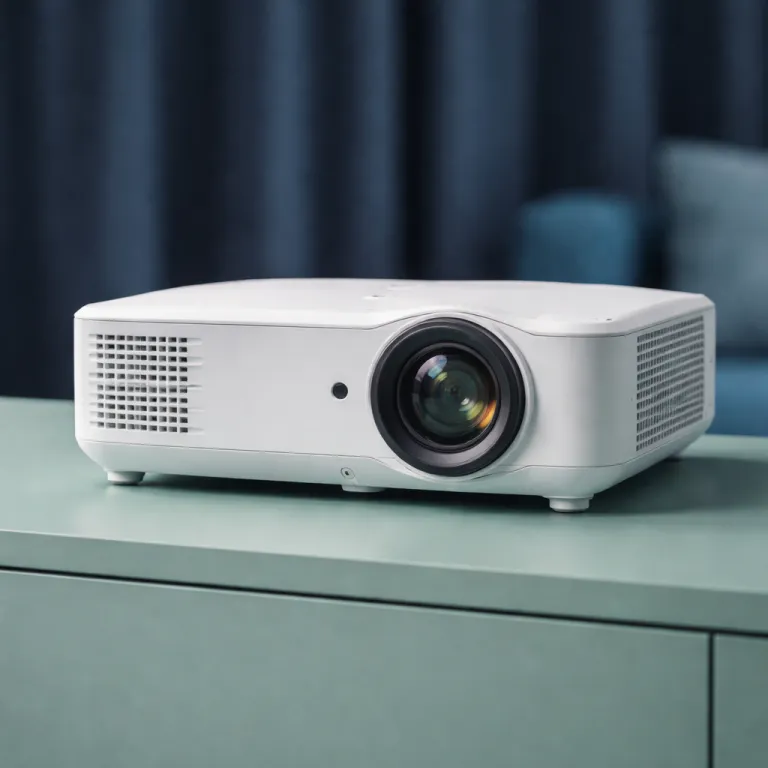
Why there is no single best home theater projector
The search for the best home theater projector usually starts with a simple question. You want one projector that nails cinema nights, gaming sessions and casual home entertainment without wrecking the budget. The problem is that the same theater projector that looks breathtaking in a dark room can look washed out in a bright living room.
Every projector is a bundle of trade offs between brightness in lumens, native contrast ratio, HDR handling and long term stability of the light source. A laser projector with very high claimed ANSI lumens can still look flat if its color reproduction is poor or if the room throws light back on the screen. That is why serious projector reviews from independent test labs such as ProjectorCentral, Cine4Home and RTINGS discuss the room and screen conditions alongside UHD resolution, motorized lens features or gaming modes, and publish full measurement charts instead of relying on marketing sheets.
Think of home projectors as tools tuned for specific environments rather than universal gadgets. A compact short throw entertainment projector that works in a small home office will not match a large cinema class home theater projector in a fully treated basement. To choose the best option for your home cinema you first map your room, your seating and your habits, then match projectors to that reality instead of chasing abstract best labels.
Brand ecosystems matter here because BenQ, Epson and Sony build families of theater projectors that share menus, calibration options and replacement parts. If you already own an Epson home printer or display you may appreciate how Epson handles support and firmware, while a BenQ fan might value consistent color tuning across different home entertainment devices. Optoma UHD models, by contrast, often chase aggressive price to lumen ratios, which can be attractive if you are building a first home theater on a tight budget.
In this guide we will frame the best home theater projector choices around four real scenarios. One scenario is a dedicated dark room where black level and native contrast ratio dominate every decision. The others cover a bright living room, a multi use space for gaming and sports, and a budget first family room where price and reliability matter more than chasing perfect HDR.
TL;DR buyer snapshot
- Dark cinema room: prioritize native contrast, black level and lens quality over raw lumens.
- Bright living room: look for higher calibrated ANSI lumens and pair the projector with a grey or ALR screen.
- Mixed movies + gaming + sports: balance brightness, HDR and low input lag; check 4K 60 Hz performance.
- Budget family room: choose reputable brands with measured brightness, solid color and proven reliability.
Scenario 1 – dedicated dark room for pure cinema
In a light controlled home theater the screen becomes the only light source you see. That means the best home theater projector for this scenario is the one with the deepest blacks and the most stable color, not the highest lumens rating. When the room is dark, excess light output just raises the black floor and erases the subtle shadow detail that makes cinema feel three dimensional.
Sony’s VPL XW8100ES currently sits at the top of many projector reviews for dedicated rooms because its native contrast and lens quality are exceptional. It is a true UHD theater projector with a high quality motorized lens that keeps focus uniform from center to edge, which is something cheaper home projectors often struggle with. In a fully dark room that combination of accurate color, tight optics and refined HDR tone mapping matters more than raw ANSI lumens.
If your budget is lower, the BenQ W2720i is one of the best home theater projector options for a mid sized room. It uses a DLP chip, so some viewers may see rainbow artifacts, but its calibrated color reproduction and solid HDR performance punch well above its price. Paired with a neutral gain screen in a dark home cinema it delivers a very convincing theater experience for both movies and high quality streaming.
For this scenario you should avoid ultra short throw designs that sit right under the screen. Ultra short projectors are convenient in a bright living room but they usually have lower native contrast than long throw theater projectors designed for dark spaces. A traditional ceiling mounted projector with flexible vertical horizontal lens shift and a decent throw ratio will give you more precise placement and better uniformity across the image.
When comparing models, focus on native contrast ratio, black level and how the projector handles HDR content from UHD Blu ray or streaming. Look for projector review measurements of on off contrast and intra scene contrast from independent test labs that publish full methodology and raw data rather than just marketing numbers. For a deeper dive into how native 4K compares with pixel shift UHD in this kind of room, see this detailed analysis on native 4K versus pixel shift resolution which explains why lens quality and contrast often matter more than raw pixel count.
Quick spec snapshot – dark room picks
- Sony VPL XW8100ES: native 4K, high native contrast, premium motorized lens, advanced HDR tone mapping.
- BenQ W2720i: 4K UHD via pixel shift, DLP, calibrated cinema modes, HDR10 support, good color accuracy for the price.
Scenario 2 – bright living room and mixed home entertainment
Most people do not have a black painted cinema room at home. They have a living room with white walls, windows and downlights, where the best home theater projector is the one that can fight ambient light without turning skin tones into neon. In this environment brightness in real ANSI lumens and smart screen choices matter more than ultimate black level.
Here a high brightness laser projector or a strong lamp based entertainment projector makes sense, especially when paired with an ambient light rejecting screen. Models like the Hisense PX4 PRO ultra short throw projector are built for this kind of home entertainment, sitting just centimetres from the wall and throwing a large UHD image that stays watchable even with some light on. Because the light path is short and the projector sits near the screen, you avoid shadows from people walking through the room, which is a real advantage for family spaces.
When you read projector reviews for living room use, pay attention to measured ANSI lumens in calibrated modes, not just the brightest and least accurate preset. Many projectors can hit a high lumen number in a torch mode that destroys accurate color and HDR tone mapping. The best home theater projector for a bright room will still deliver decent color reproduction and smooth HDR while pushing enough light to overcome reflections from walls and furniture.
Ultra short throw and short throw theater projectors are particularly attractive in multipurpose rooms because they are easy to place and safer around kids. A modern ultra short laser projector often includes a smart TV interface, decent speakers and multiple HDMI inputs, turning it into a full home entertainment hub. If you want to compare HDR handling across different living room projectors, the curated list of top home theater projectors with HDR support is a useful reference for real world performance.
In this scenario you should budget for both the projector and the screen as a single system. A grey or ALR screen can improve perceived contrast dramatically in a bright room, sometimes more than jumping to a more expensive projector with only slightly better specs. Think of the room, the light, the screen and the projector as one home cinema ecosystem rather than separate purchases.
Quick spec snapshot – bright room picks
- Hisense PX4 PRO: ultra short throw, laser light source, 4K UHD, high claimed brightness, integrated smart TV platform.
- Typical living room projector targets: 2,000–3,000 calibrated ANSI lumens, HDR10 support, built in streaming and robust speakers.
Scenario 3 – multi use room for movies, gaming and sports
Some rooms have to do everything at once. You might watch cinema at night, stream sports with friends on Sunday and play fast paced games during the week, all on the same projector. In that case the best home theater projector is the one that balances brightness, input lag and HDR performance without making setup a chore.
For this kind of multi use space, a flexible entertainment projector like the BenQ W2720i or the BenQ GP520 budget UHD model can be a smart choice. These home projectors offer reasonably high ANSI lumens, good color out of the box and gaming modes with lower input lag than many pure cinema theater projectors. They also tend to include vertical horizontal keystone or lens shift adjustments, which helps when the projector has to move between rooms or share space with other furniture.
Gamers should pay close attention to input lag numbers in each projector review, not just the headline gaming label on the box. A projector with 16 milliseconds of lag at 4K 60 Hz will feel responsive for most console games, while something above 40 milliseconds can feel sluggish in competitive shooters. Some laser projector models also support higher refresh rates at lower resolutions, which can be useful if you connect a gaming PC and want smoother motion for esports titles.
Ultra short and short throw projectors can work well in multi use rooms, but you need to check how they handle fast motion and HDR sports broadcasts. A model like the Hisense PX4 PRO or other triple laser ultra short designs can deliver vivid color and strong brightness, yet some viewers notice motion processing artefacts on fast pans. For a sense of what cutting edge triple laser ultra short technology can do in this space, the analysis of the AWOL Vision Aetherion in the article about what the first triple laser UST delivers is a useful case study.
When you juggle movies, games and sports, convenience features matter almost as much as pure image quality. Look for a motorized lens with memory if you plan to switch between 16:9 sports and wider cinema aspect ratios on a scope screen. Built in streaming apps, robust HDMI 2.1 inputs and quiet fan noise will make the projector feel like a natural part of your home entertainment routine rather than a fussy piece of gear.
Quick spec snapshot – mixed use picks
- BenQ GP520: 4K UHD via pixel shift, gaming modes, relatively low input lag, compact chassis for flexible placement.
- Target specs for mixed use: under 20 ms input lag at 4K 60 Hz, at least 1,800 calibrated ANSI lumens, HDR10 support, HDMI 2.1 where possible.
Scenario 4 – budget first family room and value choices
Not every home theater starts with a four figure budget. Many families want a big screen experience in the main room without spending more than a mid range television, and they are willing to compromise on some specs to get there. The key is knowing where you can save money and where cutting corners will haunt you every movie night.
In this bracket the BenQ GP520 stands out as one of the best home theater projector options because it delivers true UHD resolution through pixel shifting, decent HDR support and respectable ANSI lumens at a very approachable price. It will not match the black level of a high end cinema projector in a dark room, but in a typical family living room its bright, punchy image and solid color reproduction feel far more expensive than the price tag suggests. For many first time home cinema buyers this kind of balanced projector is a smarter choice than chasing a cheap ultra short model with inflated lumen claims and weak reviews.
Epson also offers strong value in this space with several Epson home models that use 3LCD panels instead of DLP. These projectors avoid the rainbow effect some viewers see on single chip DLP designs and often provide very good color out of the box, even if their contrast ratio is more modest than premium theater projectors. When you read projector reviews for these units, focus on calibrated brightness, fan noise and long term reliability rather than marketing HDR badges.
Whatever you choose, avoid rock bottom no name projectors that promise impossible lumens and 8K UHD resolution at a suspiciously low price. Their stated ANSI lumens are often wildly inaccurate, their HDR modes are usually just contrast presets and their light source may dim quickly, leaving you with a dull image after a short time. Spending a little more on a reputable brand like BenQ, Epson or Optoma UHD series will pay off in both picture quality and support.
In a budget first family room you can also start with a simple white wall and upgrade to a proper screen later. That lets you put more of the initial budget into a solid projector with accurate color and enough brightness for your room. Once you know your viewing habits you can add a fixed frame or pull down screen that matches your throw ratio and seating distance more precisely.
Quick spec snapshot – value picks
- BenQ GP520: 4K UHD via pixel shift, HDR10 support, compact design, strong price to performance ratio.
- Typical value focused 3LCD models: 1080p or 4K enhancement, 3LCD panels, good color brightness, moderate contrast, affordable replacement lamps.
Specs that really matter and how to future proof
Spec sheets can feel like a wall of numbers. To cut through the noise, match each key metric to the scenario that needs it most, then ignore the rest when it does not serve your room. That is how you avoid paying for features that look impressive on paper but do nothing for your actual home theater.
In a dark cinema room, native contrast ratio and lens quality matter more than headline lumens or even absolute UHD sharpness. In a bright living room, real ANSI lumens in calibrated modes and good HDR tone mapping are the priority, because they keep the image watchable when light bounces around the room. For gaming and sports, input lag, motion handling and HDMI bandwidth outrank tiny differences in color accuracy that you will not notice during a fast match.
Future proofing a projector is less about chasing the latest HDR format and more about choosing solid fundamentals. A reliable laser or long life lamp light source, a high quality motorized lens with enough zoom and vertical horizontal shift, and support for 4K 60 Hz with low lag will keep a projector relevant for many years. Streaming boxes and consoles will evolve, but a projector with accurate color, stable brightness and flexible placement will adapt to whatever content you feed it.
Remember that the best home theater projector for you is the one that fits your room, your habits and your tolerance for setup complexity. A carefully chosen projector in a modest home can feel more cinematic than a flagship model thrown into a bad space with uncontrolled light. In the end what matters is not the lumens on the box, but the last row on movie night.
Key figures for home theater projector buyers
- Many mainstream home theater projectors now deliver between 1,500 and 3,000 ANSI lumens in calibrated modes, which is enough for a 100 inch screen in a dim room or a slightly smaller screen in a brighter living room, according to measurements from multiple independent review labs that publish full brightness charts.
- Laser projector light sources are typically rated for around 20,000 hours to half brightness, which means that even with four hours of viewing every day you can expect more than ten years of use before a noticeable drop, based on manufacturer specifications across major brands and long term endurance tests.
- Input lag on gaming focused entertainment projectors has dropped significantly, with several BenQ and Optoma UHD models measuring under 20 milliseconds at 4K 60 Hz in third party benchmarks, which is comparable to many large televisions tested by specialist gaming reviewers.
- Ultra short throw projectors have grown rapidly in popularity, with some market analyses estimating that ultra short models now account for more than a quarter of home cinema projector sales in certain regions, driven by living room friendly designs and integrated smart TV platforms.
- Replacement lamps for traditional theater projectors can cost between 15 and 30 percent of the original projector price, which is why many buyers now factor long term lamp or laser costs into their total home entertainment budget and compare cost per hour of use.
FAQ – choosing the best home theater projector
How many lumens do I need for a home theater projector ?
For a dedicated dark home theater a projector with around 1,200 to 1,800 calibrated ANSI lumens is usually enough for a 100 to 120 inch screen. In a brighter living room you should aim for 2,000 to 3,000 ANSI lumens to keep HDR content punchy and maintain decent contrast. Always check measured brightness in projector reviews rather than relying only on the manufacturer’s maximum claims.
Is a laser projector always better than a lamp based model ?
A laser projector offers longer light source life, faster on off times and usually more stable color over time than a traditional lamp. However, lamp based theater projectors can still deliver excellent image quality and often cost less for the same level of contrast and lens performance. The choice depends on your budget, how many hours you watch and whether you value lower maintenance over initial price.
Do I need true 4K UHD for a good home cinema experience ?
True 4K UHD can look sharper, especially on very large screens or when you sit close, but many pixel shift projectors already resolve enough detail for most home cinema setups. Factors like contrast ratio, HDR tone mapping and accurate color often have a bigger impact on perceived image quality than the exact pixel count. If your budget is limited, a well tuned pixel shift projector can be a better value than an entry level native 4K model with weaker optics.
Should I choose an ultra short throw projector or a traditional ceiling mount ?
An ultra short throw projector is ideal if you want a big image in a living room without running long cables or worrying about people walking through the beam. Traditional long throw theater projectors usually offer better native contrast, more flexible motorized lens options and quieter operation, which suits a dedicated dark room. Your choice should follow your room layout, furniture and how permanent you want the installation to be.
How important is screen choice for home theater projectors ?
The screen is as important as the projector because it sets the final brightness, contrast and perceived color in your room. A good fixed frame or ALR screen can make a mid range projector look like a much more expensive model, especially in spaces with some ambient light. If your budget is tight, it can be smarter to pair a solid mid tier projector with a quality screen than to overspend on the projector and project onto a bare wall.