Laser, light source, and HDR: what really matters for image quality
Image quality on the best ultra short throw home theater projectors depends heavily on the light source and HDR processing. A single laser projector can already produce strong brightness and accurate color, but a triple laser system in some ust projectors often delivers richer tones and better coverage of cinema color spaces. When you read review articles about a specific throw projector, look for measurements of lumens, color accuracy, and dynamic contrast rather than marketing claims alone.
The light source in a laser based ust projector usually lasts around 20 000 to 30 000 hours. This long duration means that a pro level home theater can run several films per week without worrying about lamp replacements, which used to be a major cost factor. When comparing laser and LED technologies for throw projectors, resources such as this guide on choosing between laser and LED projectors for your home theater help clarify trade offs in brightness, color, and price.
HDR formats add another layer of complexity for the best ultra short throw home theater projectors. Some models support HDR10 only, while others add Dolby Vision and advanced tone mapping to preserve detail in bright highlights. When a projector like Formovie Theater or a Hisense Pro ust projector advertises Dolby Vision and high dynamic contrast, it signals careful engineering of both hardware and software to manage light output, color, and gamma curves for demanding home theater content.
Screen choice, room light, and the reality of ultra short throw setups
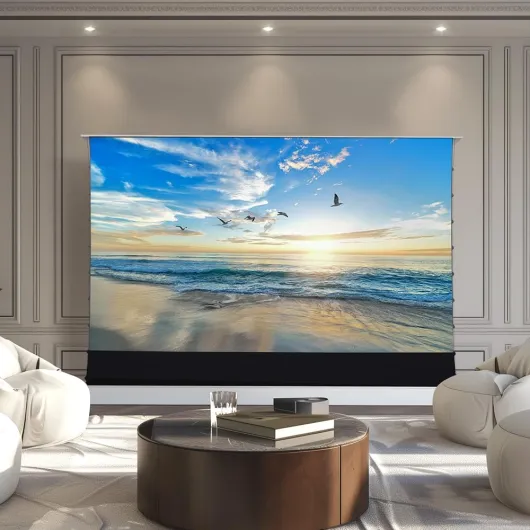
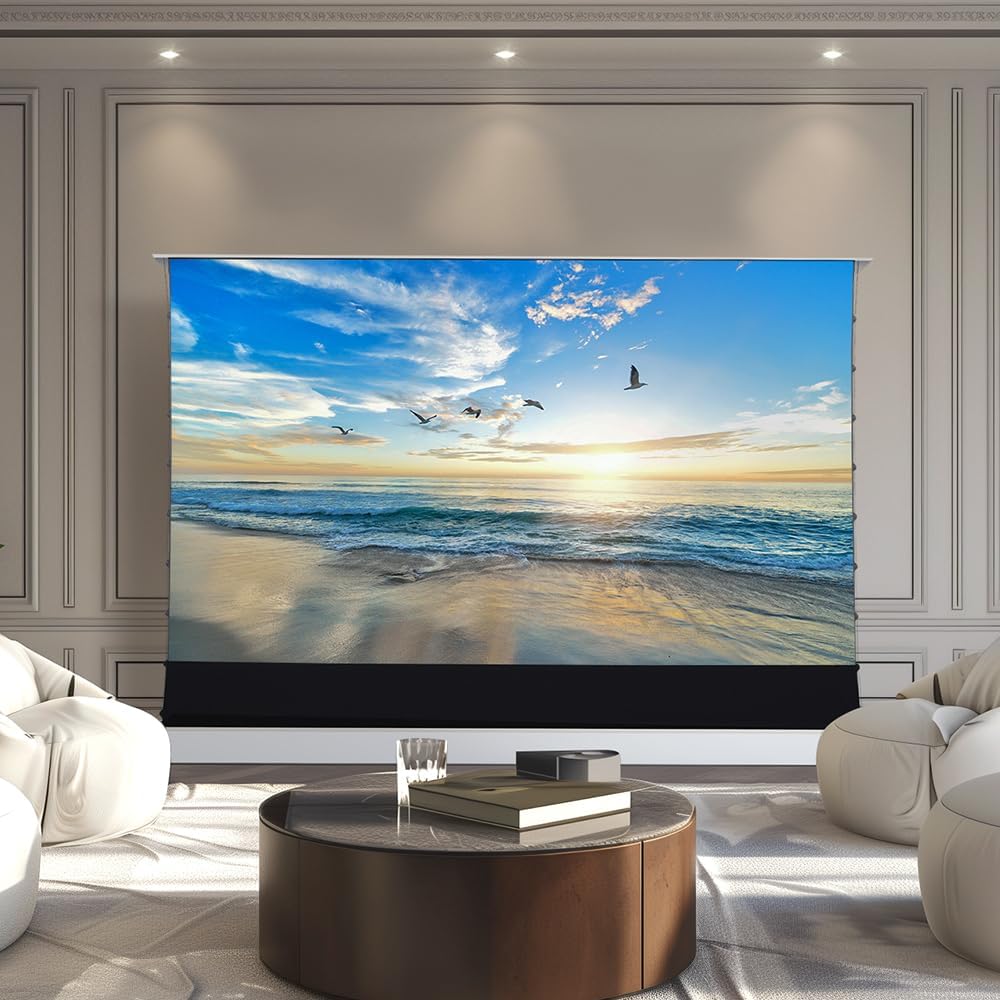
Even the best ultra short throw home theater projectors cannot perform well without the right screen and room conditions. A dedicated UST ambient light rejecting screen helps focus the projector light toward viewers while rejecting overhead light, which is vital in bright living rooms. When you pair a ust projector with a basic matte white screen, you often lose contrast and color saturation, especially during daytime viewing.
Room light control remains essential for any serious home theater built around ultra short throw projectors. Dimmable lights, dark wall colors, and curtains over windows help the laser projector maintain deep blacks and vivid color, which are necessary for impactful HDR. To understand how image size interacts with viewing distance and room layout, it is useful to consult explanations such as this article on understanding the true size of a 100 inch screen, because many people underestimate how large a 100 inch image appears in a modest living room.
Ultra short throw projectors like NexiGo Aurora, Aurora Pro, and various AWOL Vision models are designed to sit close to the wall, but they still require precise alignment. A ust projector must be level, centered, and placed at the correct distance to avoid geometric distortion and focus issues. When evaluating the best ultra short throw home theater projectors, consider how easy each projector makes this process through adjustable feet, digital keystone, and built in alignment patterns.
Comparing leading brands: Hisense, Formovie, Epson, NexiGo, and AWOL Vision
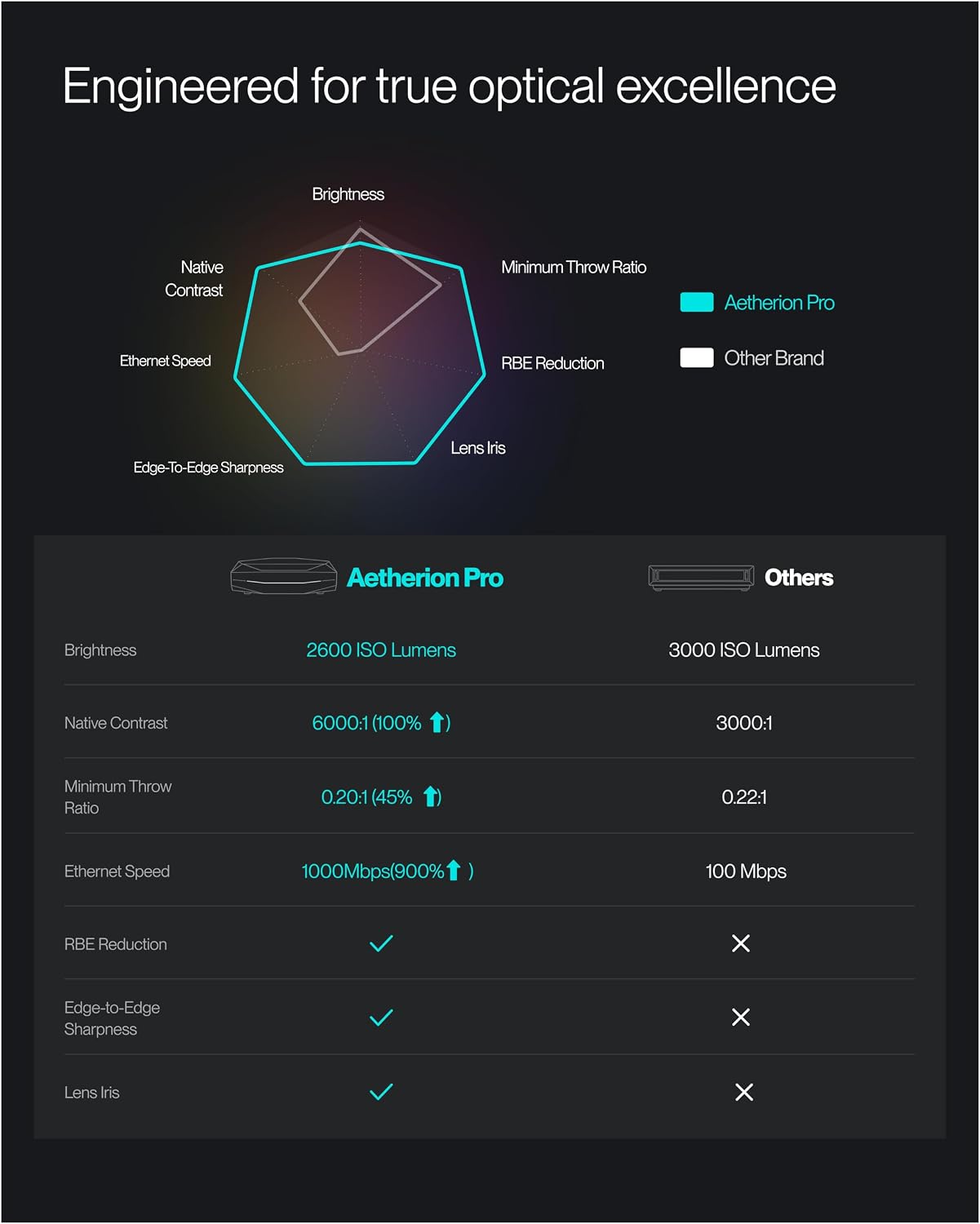
The market for the best ultra short throw home theater projectors is dominated by a few recognizable names. Hisense has built a strong reputation with its Hisense Pro series of ust projectors, which combine high lumens output with integrated sound systems and smart TV platforms. Formovie competes with the Formovie Theater, a triple laser projector that emphasizes Dolby Vision support, dynamic contrast, and accurate color calibration for demanding home theater users.
Epson approaches ultra short throw projectors with its own strengths in image processing and motion handling. While some Epson models rely on different light engine designs than a pure triple laser projector, they still aim to deliver bright, sharp images suitable for mixed television and film viewing. NexiGo Aurora and Aurora Pro ust projectors focus on stylish design and strong HDR performance, while AWOL Vision targets enthusiasts who want pro grade brightness and flexible screen size options.
When you compare these ultra short throw projectors, look beyond headline lumens figures. Pay attention to how each projector handles HDR tone mapping, whether it supports Dolby Vision, and how uniform the light and color appear across the screen. Independent reviewers often assign stars to summarize performance, but a careful read review of each projector will reveal strengths and weaknesses in black level, fan noise, input lag, and long term reliability for a serious home theater installation.
Deep dive: understanding throw, ultra short throw, and placement challenges
Throw distance defines how far a projector must sit from the screen to create a given image size. Traditional throw projectors might need several metres of distance, while short throw models reduce this requirement but still sit a bit away from the wall. Ultra short throw projectors, often called ust projectors, use complex lenses and mirrors to project a large image from just a few centimetres away, which makes them ideal for multipurpose living rooms.
However, the optical design of an ultra short throw projector introduces unique challenges. Any small movement of the projector or cabinet can shift the image noticeably, so stable furniture and careful placement are essential for the best ultra short throw home theater projectors. When you position a ust projector like Formovie Theater, NexiGo Aurora Pro, or a Hisense Pro model, you must account for cabinet height, wall flatness, and the exact distance required for your chosen screen size.
Guides on how to choose the right projector for your home theater often stress the importance of matching throw ratio to room dimensions. This advice applies equally to ultra short throw projectors, because each ust projector has a slightly different throw geometry that affects placement flexibility. When evaluating the best ultra short throw home theater projectors, check whether the chassis design, lens offset, and digital correction tools will work with your existing furniture and viewing positions.
Advanced features: HDR formats, gaming, and smart platforms in UST projectors
Modern ultra short throw projectors integrate advanced features that go beyond basic film playback. Support for HDR10, HLG, and sometimes Dolby Vision allows the best ultra short throw home theater projectors to render streaming content with greater realism and depth. A projector like Formovie Theater or a high end Hisense Pro ust projector can combine triple laser light sources with sophisticated tone mapping to maintain detail in bright skies and dark interiors simultaneously.
Gaming performance has become another priority for many buyers of ultra short throw projectors. Reduced input lag, higher refresh rates, and effective motion processing help these throw projectors handle fast paced console titles without excessive blur. When you read review summaries for models such as NexiGo Aurora, Aurora Pro, or AWOL Vision LTV Pro, look for specific measurements of latency and any mention of dedicated game modes that adjust light output and color for interactive content.
Smart platforms embedded in ust projectors simplify daily use in a living room home theater. Integrated streaming apps, voice control, and automatic HDR detection reduce the need for external boxes and complex remotes, which makes the projector feel more like a large television. As manufacturers refine their ultra short throw projectors, they continue to balance pro level image controls with user friendly interfaces so that both enthusiasts and casual viewers can enjoy consistent, high quality images from these compact laser projector systems.
Balancing budget, performance, and long term value in a UST home theater
Choosing among the best ultra short throw home theater projectors ultimately involves balancing budget against performance and longevity. Entry level ust projectors may offer sufficient lumens and decent color for casual viewing, but they often compromise on dynamic contrast, HDR tone mapping, or built in audio quality. Premium models from Hisense, Formovie, Epson, NexiGo Aurora Pro, and AWOL Vision LTV Pro justify higher prices through triple laser light sources, better optics, and more refined processing.
When assessing value, consider the total cost of ownership rather than only the purchase price. A durable laser light source, efficient cooling, and robust chassis design reduce maintenance and replacement expenses over many years of home theater use. Reading at least one detailed read review for each shortlisted ultra short throw projector helps you understand real world reliability, fan noise, and any recurring issues that might affect long term satisfaction.
Finally, remember that the projector is only one part of a complete home theater ecosystem. A suitable UST screen, controlled room light, and a sound system that matches the scale of the image all contribute to the cinematic effect. By weighing these elements carefully and comparing several ultra short throw projectors side by side, you can select a ust projector that delivers the right mix of brightness, color, HDR performance, and everyday convenience for your living space.
Key statistics about ultra short throw home theater projectors
- Average laser light source lifespan in modern ust projectors typically ranges between 20 000 and 30 000 hours of use.
- Many of the best ultra short throw home theater projectors can produce images from 90 to 120 inches with a placement distance of roughly 20 to 40 cm from the wall.
- Triple laser ultra short throw projectors often achieve significantly higher color gamut coverage compared with single laser or lamp based designs.
- Dedicated UST ambient light rejecting screens can improve perceived contrast by several times in rooms with moderate ambient light.
- Premium ust projectors supporting advanced HDR formats may reach peak brightness levels that are substantially higher than older lamp based short throw models.
Common questions about the best ultra short throw home theater projectors
Are ultra short throw projectors suitable for bright living rooms ?
Ultra short throw projectors can work in bright living rooms if you pair them with a proper UST ambient light rejecting screen and manage direct sunlight. High lumens output from a laser projector helps, but uncontrolled light will still wash out blacks and reduce dynamic contrast. For the best ultra short throw home theater projectors, partial light control and a dedicated screen remain strongly recommended.
Do I need a special screen for an ultra short throw projector ?
A standard matte white screen can function with an ultra short throw projector, but it rarely delivers optimal contrast in typical living rooms. UST specific screens are engineered to reflect light from below while rejecting light from above, which significantly improves perceived black levels. If you invest in a premium ust projector, allocating budget for a matching screen usually yields a visible improvement in overall home theater image quality.
How important is Dolby Vision support on UST projectors ?
Dolby Vision support can enhance HDR performance on compatible content by using dynamic metadata to adjust brightness and color scene by scene. On the best ultra short throw home theater projectors, this often results in more consistent highlights and better shadow detail compared with basic HDR10 implementations. However, good tone mapping and sufficient light output remain essential, so a well tuned HDR10 projector can still perform strongly without Dolby Vision.
Can ultra short throw projectors replace a television for daily use ?
Many ultra short throw projectors are designed to function as television replacements, especially models with long lasting laser light sources and integrated smart platforms. When combined with a suitable screen and moderate light control, they can provide a large, bright image for films, series, and sports. Prospective buyers should still consider fan noise, warm up behavior, and potential maintenance when planning to use a ust projector for many hours each day.
What is the difference between short throw and ultra short throw projectors ?
Short throw projectors require a relatively small distance from the screen but still sit some way into the room, often around 1 to 1.5 metres for a 100 inch image. Ultra short throw projectors, by contrast, sit just a few centimetres from the wall and project upward using specialized optics. This ultra short placement makes them more suitable for compact living rooms and multipurpose spaces, while traditional short throw models may be better suited to dedicated home theater rooms or gaming setups.


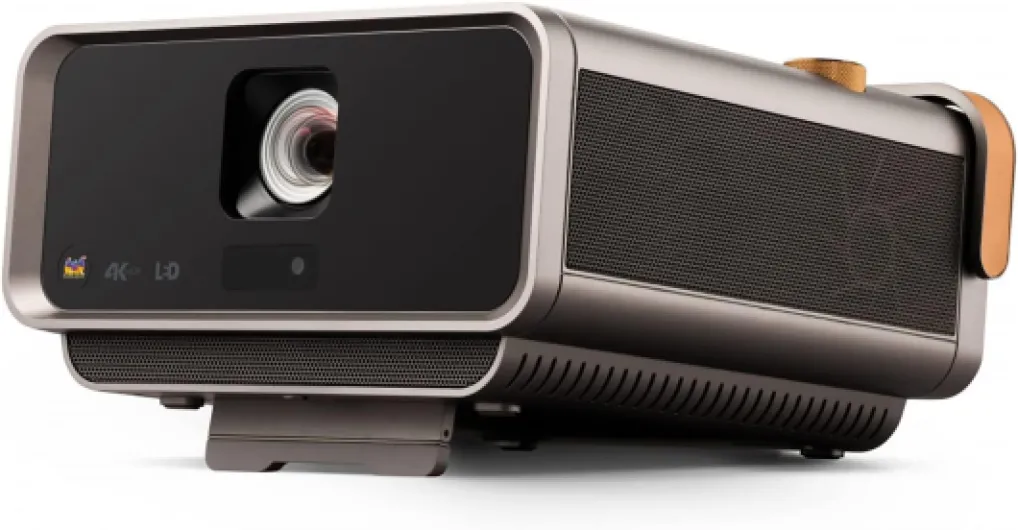
![[2500 ANSI/ Official Apps/50W Audio] Outdoor 4K Projector with WiFi and Bluetooth, Auto Focus, Auto Keystone Smart Projector Support DoIby Audio, 2026 Upgrade GO2 Short Throw Projector with 360°Stand Bronze](https://www.home-theater-projector-guru.com/storage/797318/conversions/71dMhFra67L._AC_SL1500_-medium.webp)
![[2500 ANSI/ Official Apps/50W Audio] Outdoor 4K Projector with WiFi and Bluetooth, Auto Focus, Auto Keystone Smart Projector Support DoIby Audio, 2026 Upgrade GO2 Short Throw Projector with 360°Stand Bronze](https://www.home-theater-projector-guru.com/storage/797318/71dMhFra67L._AC_SL1500_.jpg)