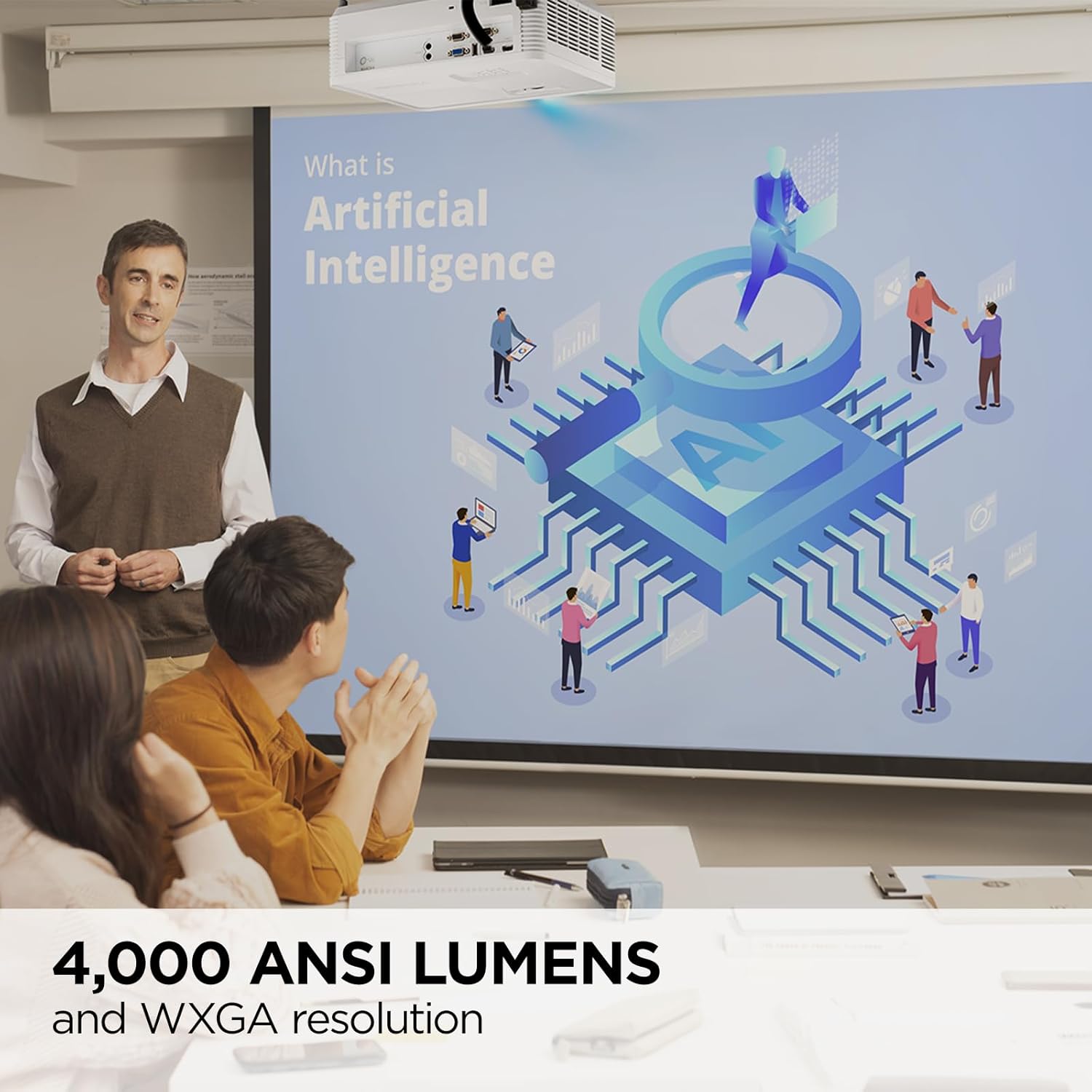
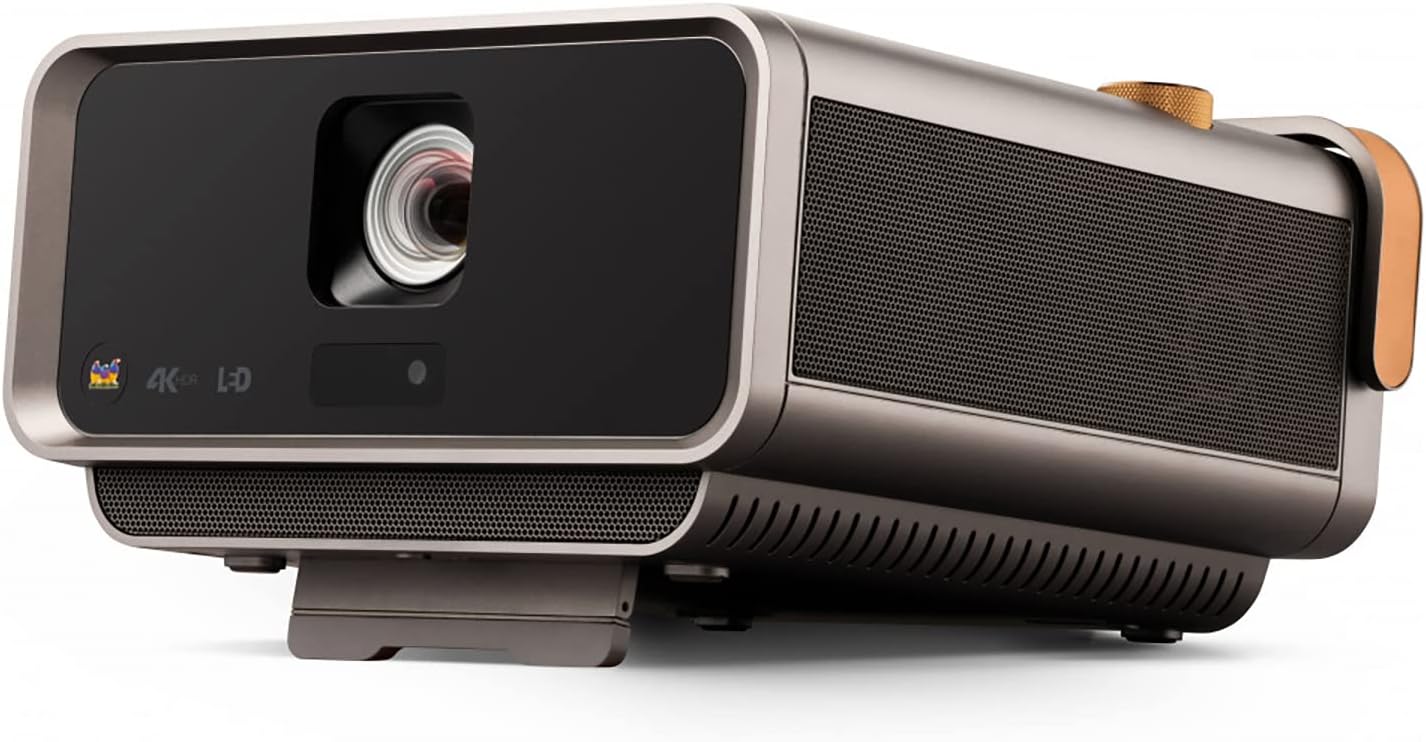
Understanding throw distance, screen size and ambient light in real rooms
Every review of the best short throw home theater projectors eventually returns to three fundamentals. These are throw distance, screen size and the amount of ambient light in your room. If you misjudge any of these, even the best laser projector with impressive ansi lumens and brightness lumens will underperform.
Throw distance describes how far the projector sits from the projector screen or wall. A short throw projector usually needs between 1 and 1.5 metres to create a 100 inch image, while an ultra short throw projector or UST projector can manage similar screens from just a few dozen centimetres. When comparing throw projectors, always check the manufacturer’s throw ratio chart rather than assuming all short throw projectors behave the same.
Room lighting matters just as much as throw and screen size. In a bright home with large windows, even a strong laser light source can struggle if you project directly onto a white wall. Pairing UST projectors or laser TVs with an ALR screen helps reject stray light and keeps picture quality consistent during daytime viewing.
For darker home theater spaces, you can sometimes use standard screens and rely on the projector’s laser light engine. However, many people still prefer an ALR screen because it deepens perceived contrast and makes colours appear better saturated. When you read any detailed review of Hisense, Epson or NexiGo Aurora Pro models, pay attention to how the tester describes room conditions and screen choices.
Laser light, ansi lumens and picture quality beyond raw brightness
Marketing for the best short throw home theater projectors often focuses on brightness lumens alone. While ansi lumens remain a useful metric, they do not tell the full story of picture quality in a real home cinema. The type of light source, optical design and image processing all influence how bright and natural the image appears on different screens.
Modern laser projector designs use a solid state laser light source instead of traditional lamps. This laser light usually maintains colour stability longer, offers faster on off control and supports higher peak brightness lumens. In a compact UST projector, laser light also allows engineers to manage heat better, which helps keep the chassis small enough for a living room cabinet.
However, more ansi lumens do not automatically mean a better home theater experience. If the projector’s optics, colour calibration and contrast handling are weak, the image can look flat or washed out on a large projector screen. Review comparisons between Hisense Pro, Epson and NexiGo Aurora models often highlight how each brand balances brightness, black levels and colour accuracy.
Laser TVs and UST projectors sometimes ship with matched ALR screen bundles. These screens are tuned for the ultra short throw light path, which improves perceived contrast in bright rooms. When you evaluate different throw projectors, consider whether the included screen, the laser light source and the claimed ansi lumens work together for your specific room rather than chasing the single highest brightness number.
Comparing Hisense, Epson and NexiGo Aurora in real home cinema setups
Among the best short throw home theater projectors, three names appear frequently in serious review discussions. Hisense, Epson and NexiGo Aurora each approach the ultra short throw and short throw projector market with distinct priorities. Understanding these differences will help you match a throw projector to your room, viewing habits and preferred content.
Hisense has built a strong reputation around its laser TVs and Hisense Pro lines. These UST projectors often arrive as complete home theater packages with an ALR screen included, tuned for ultra short throw performance. Many buyers appreciate that the Hisense approach simplifies decisions about projector screen size, light source pairing and room placement.
Epson, by contrast, leverages its long history in home cinema projectors. Its short throw projectors and some UST projector models emphasise colour accuracy, motion handling and flexible installation. If you want a projector that can serve both a dedicated home theater and a brighter living room, Epson models often provide more granular control over image parameters.
NexiGo Aurora and Aurora Pro aim squarely at enthusiasts who want cutting edge features in compact UST projectors. These laser projector designs prioritise high ansi lumens, refined picture quality and smart TV integration for modern homes. When you compare Hisense, Epson and NexiGo Aurora Pro options, look beyond headline brightness lumens and examine how each behaves with different screens, room lights and seating distances.
Screen choices, ALR technology and multi screen home theater layouts
The best short throw home theater projectors can only perform at their peak when paired with appropriate screens. A basic matte white projector screen may work in a dark home cinema, but many living rooms need more sophisticated ALR screen technology. These ALR screens are engineered to reflect the projector’s light toward viewers while rejecting ambient light from windows or ceiling fixtures.
Ultra short throw projectors, especially UST projectors marketed as laser TVs, require screens designed for their steep light angle. An ALR screen optimised for ultra short throw will usually improve contrast and colour saturation compared with a generic screen. When you read a review of a Hisense Pro or NexiGo Aurora Pro bundle, note whether the tester used the supplied ALR screen or a third party alternative.
Some enthusiasts now combine short throw projectors with multi screen or video wall style layouts. A dedicated video wall controller can route multiple sources to different screens, turning a single home theater into a cinematic multi screen hub for sports, gaming and films. If you are considering such a setup, you may find it useful to study a detailed guide on how a video wall controller transforms a projector into a multi screen hub.
In smaller rooms, a single ALR screen paired with a UST projector remains the most practical option. The compact throw distance keeps the projector close to the wall, reducing cable clutter and foot traffic hazards. Whether you choose Hisense, Epson or NexiGo Aurora, ensure the projector screen size, ALR technology and room light control work together to support stable picture quality.
Practical buying checklist for the best short throw home theater projectors
When evaluating the best short throw home theater projectors, a structured checklist prevents costly mistakes. Start by measuring your room, noting the distance from potential projector placement to the wall or projector screen. This measurement will determine whether a short throw projector or an ultra short throw projector suits your layout better.
Next, decide on your target screen size and preferred seating distance. In many homes, a 100 to 120 inch screen balances immersion with comfortable viewing, especially when paired with a bright laser projector. Check that the chosen UST projector or short throw projector can achieve this image size at your measured throw distance without keystone correction, which can soften picture quality.
Then, examine brightness lumens and ansi lumens ratings in the context of your room’s ambient light. A bright living room with light walls and large windows will benefit from higher ansi lumens and a dedicated ALR screen. A darker home theater can prioritise contrast and colour accuracy over raw light output, particularly when using a stable laser light source.
Finally, compare ecosystem features such as smart TV platforms, gaming modes and audio integration. Hisense Pro and some laser TVs include robust sound systems, while Epson and NexiGo Aurora Pro may rely more on external receivers for full home cinema audio. By weighing throw, light source, screens and ecosystem together, you will select a throw projector that feels tailored to your home rather than chasing specifications in isolation.
Living with a UST projector day to day in a shared home space
Owning one of the best short throw home theater projectors changes how a shared living room feels. A UST projector or short throw projector can provide a huge image for films at night yet remain unobtrusive during the day. Because the projector sits close to the wall, families can move through the room without casting large shadows across the screen.
Laser TVs and UST projectors also warm up quickly, which suits casual viewing. The solid state laser light source reaches full brightness lumens almost instantly, unlike some older lamp based projectors. This responsiveness encourages people to use the home cinema setup for news, sports and gaming, not just occasional film nights.
Maintenance is generally lighter with modern laser projector designs. The long life of the laser light engine means you will not replace lamps regularly, and many Hisense, Epson and NexiGo Aurora Pro models include dust resistant optical paths. When reading a review, pay attention to long term reliability notes, fan noise levels and how the projector handles light in different rooms.
In multi purpose homes, the choice of ALR screen or standard projector screen will influence daytime usability. An ALR screen paired with a capable UST projector can keep picture quality stable even with some lights on, which makes the room feel more flexible. Over time, the combination of ultra short throw convenience, refined image quality and manageable light control can make a projector feel as natural as any large television in daily life.
Key statistics about short throw and ultra short throw projectors
- Global demand for short throw and ultra short throw projectors has grown steadily as more households convert living rooms into flexible home cinema spaces.
- Laser light sources in modern UST projectors often provide operational lifespans measured in tens of thousands of hours, reducing maintenance compared with lamp based designs.
- Many popular UST projector bundles target screen sizes between 100 and 120 inches, which balance immersion with typical European and Asian living room dimensions.
- ALR screens specifically tuned for ultra short throw angles can significantly improve perceived contrast in rooms with moderate ambient light.
Common questions about the best short throw home theater projectors
Are short throw projectors better than traditional long throw models for small rooms ?
Short throw projectors and UST projectors are usually better suited to small rooms because they create large images from very short distances. This compact throw keeps the projector close to the wall, reducing shadows and freeing up floor space. Traditional long throw designs still work well in larger dedicated home theater rooms where distance is available.
Do I need an ALR screen for an ultra short throw projector in my living room ?
An ALR screen is strongly recommended for an ultra short throw projector in a typical living room with windows or ceiling lights. The ALR surface helps reject ambient light and directs the projector’s light toward viewers, improving contrast and colour. In a fully darkened home cinema, a high quality matte screen can work, but many people still prefer ALR for its perceived contrast boost.
How bright should my UST projector be for daytime viewing ?
For comfortable daytime viewing in a moderately bright room, many experts suggest choosing a UST projector with at least several thousand ansi lumens. Paired with a good ALR screen, this level of brightness lumens usually supports sports, TV and casual films with lights on. Very bright rooms with large windows may still require some light control, such as curtains or blinds.
Is a laser projector worth the extra cost compared with a lamp based model ?
A laser projector often justifies its higher initial cost through lower maintenance and more stable brightness over time. The laser light source typically lasts far longer than traditional lamps and maintains colour consistency better. For people who use their home theater frequently, the long term value and convenience of laser light can outweigh the upfront price difference.
Can a UST projector fully replace a large television in a family home ?
A well chosen UST projector paired with an appropriate screen can replace a large television for many families. Laser TVs and modern UST projectors start quickly, handle streaming apps and provide impressive picture quality at 100 inches or more. However, some households still keep a smaller TV for quick viewing in bright daylight, using the projector mainly for films, sports and special events.

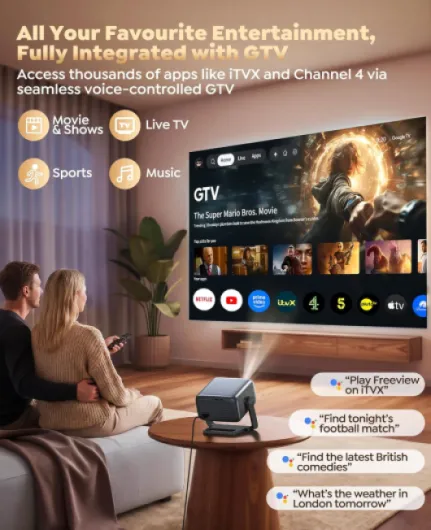

![[2500 ANSI/ Official Apps/50W Audio] Outdoor 4K Projector with WiFi and Bluetooth, Auto Focus, Auto Keystone Smart Projector Support DoIby Audio, 2026 Upgrade GO2 Short Throw Projector with 360°Stand Bronze](https://www.home-theater-projector-guru.com/storage/797318/conversions/71dMhFra67L._AC_SL1500_-medium.webp)
![[2500 ANSI/ Official Apps/50W Audio] Outdoor 4K Projector with WiFi and Bluetooth, Auto Focus, Auto Keystone Smart Projector Support DoIby Audio, 2026 Upgrade GO2 Short Throw Projector with 360°Stand Bronze](https://www.home-theater-projector-guru.com/storage/797318/71dMhFra67L._AC_SL1500_.jpg)