How room conditions and screen choices shape perceived brightness
Even the best high brightness home theater projectors struggle if the room is not controlled. A bright room with white walls reflects light back onto the screen, lifting black levels and flattening contrast. Dark paint, curtains, and a controlled light system can make a mid range projector look better than a much brighter rival in a bare living room.
The screen is as important as the projector when you chase better picture quality in challenging light. High gain screens can boost perceived brightness, but they may narrow viewing angles and exaggerate hotspotting in the center of the image. In a multipurpose home cinema, an ambient light rejecting screen can preserve contrast ratio when ceiling lights or windows add stray light.
Short throw and ultra short throw projectors introduce additional variables, because their steep throw ratio can accentuate any imperfections on the wall or screen. If you plan a short throw projector for a compact home theater, study guidance on finding the ideal short throw projector for your home theater. Matching throw distance, screen size, and seating ensures the image remains bright, sharp, and comfortable to watch.
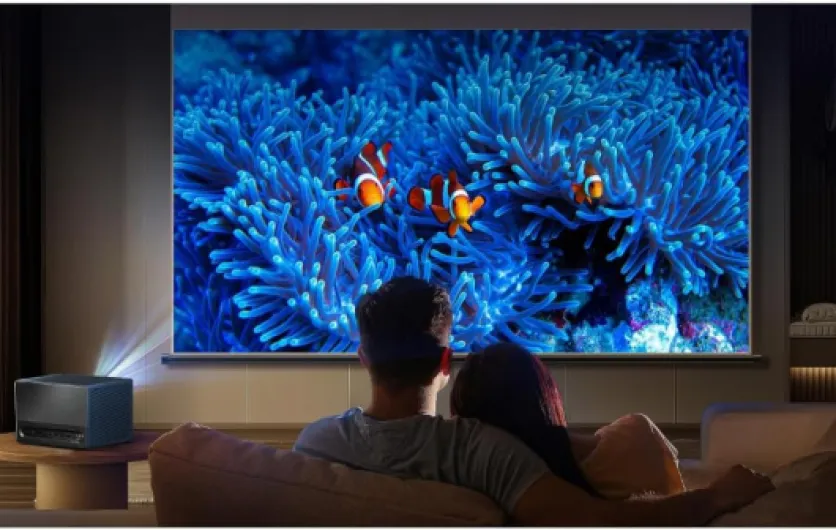
In rooms with partial ambient light, a laser projector often maintains consistent brightness over time better than a traditional lamp model. Laser light sources also reach full brightness instantly, which is convenient in a living room where you frequently switch between cinema and casual TV. When you evaluate projectors, consider how HDR content, Dolby Vision support, and color accuracy will look on your chosen screen in your actual room, not just in a showroom.
Comparing lamp, laser, and LED light sources for home cinema
Light source technology strongly influences how the best high brightness home theater projectors perform over years of use. Traditional lamp based projectors can deliver impressive brightness at a lower upfront cost, but their lamps dim over time and require periodic replacement. Laser projector models maintain more stable brightness and color, which is valuable for HDR movies and long gaming sessions.
LED projectors typically offer excellent color performance and long life, yet they often trail laser and lamp rivals in raw lumens output. In a fully light controlled home theater room, an LED projector can still produce a rich cinema style picture with deep contrast. In a bright room or open plan living room, however, you may find that only a high brightness laser projector can overcome ambient light effectively.
When you compare light sources, think about total cost of ownership rather than only the purchase price. Lamp replacements, energy consumption, and calibration sessions all affect how much your home cinema system truly costs over its lifetime. A laser light source may appear expensive initially, but its stable brightness and reduced maintenance can make it the better long term investment.
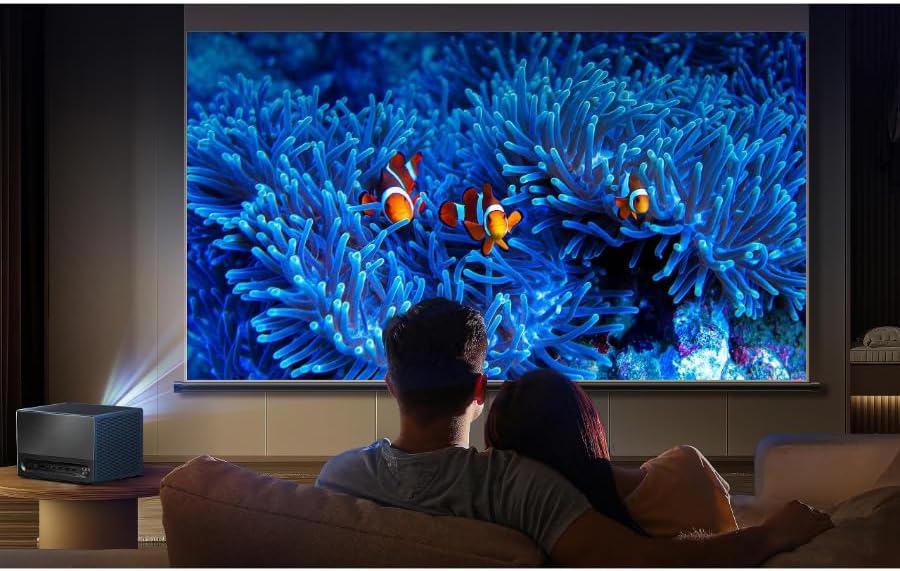
Ultra short throw laser projectors are particularly attractive for people who cannot dedicate a separate home theater. Placed close to the wall, an ultra short throw projector can create a large image while minimizing shadows and cable clutter. For a refined installation, some enthusiasts use a dedicated short throw projector cabinet to hide the system and integrate a sound system neatly.
Image quality, HDR formats, and gaming performance in bright spaces
Brightness alone does not guarantee satisfying picture quality, especially with modern HDR content. To enjoy the best high brightness home theater projectors, you need a projector that handles HDR tone mapping gracefully while preserving color accuracy. Some models support HDR10 only, while others add Dolby Vision or dynamic tone mapping to adapt the image scene by scene.
Higher brightness helps HDR highlights stand out, but if contrast ratio is weak, the overall picture can look flat. A well tuned projector balances bright specular highlights with convincing blacks, even in a bright room with some ambient light. This balance is crucial for home cinema fans who watch both daytime sports and evening films in the same living room.
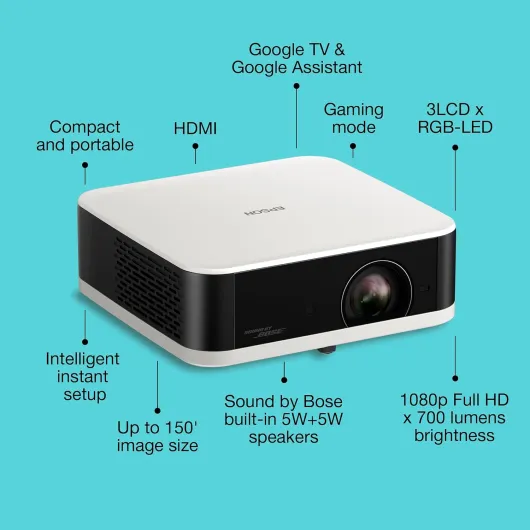
Gaming introduces another layer of complexity, because input lag becomes as important as brightness and contrast. Many BenQ and Epson Home projectors offer dedicated game modes that reduce input lag while maintaining strong picture quality. When you evaluate projectors for mixed use, check whether the brightest mode still preserves acceptable color and contrast, or if it sacrifices too much image fidelity.
Ultra short throw and short throw projectors can be excellent gaming displays, but their placement demands careful planning of throw distance and screen size. A well chosen throw projector can fill a large screen from a modest distance without compromising sharpness. For a deeper technical comparison of 4K projectors, you can consult a specialized guide to top 4K home theater projectors that explains how resolution, HDR, and brightness interact.
Designing a flexible home theater system for living rooms
Many people now build a home theater system directly in the main living room rather than in a separate cinema. This approach demands careful choices, because the best high brightness home theater projectors must coexist with furniture, windows, and everyday light. A flexible setup often combines a retractable screen, a compact sound system, and a projector with a forgiving throw ratio.
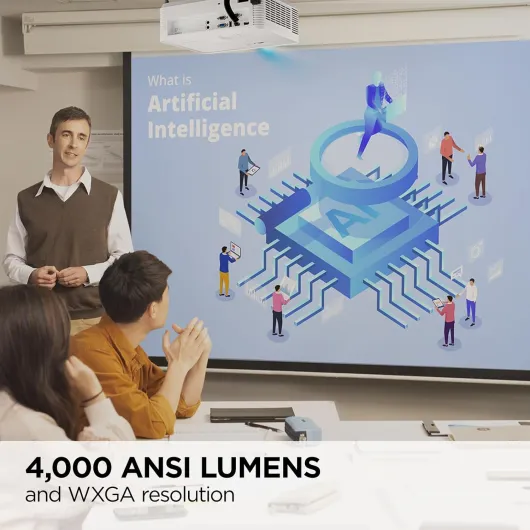
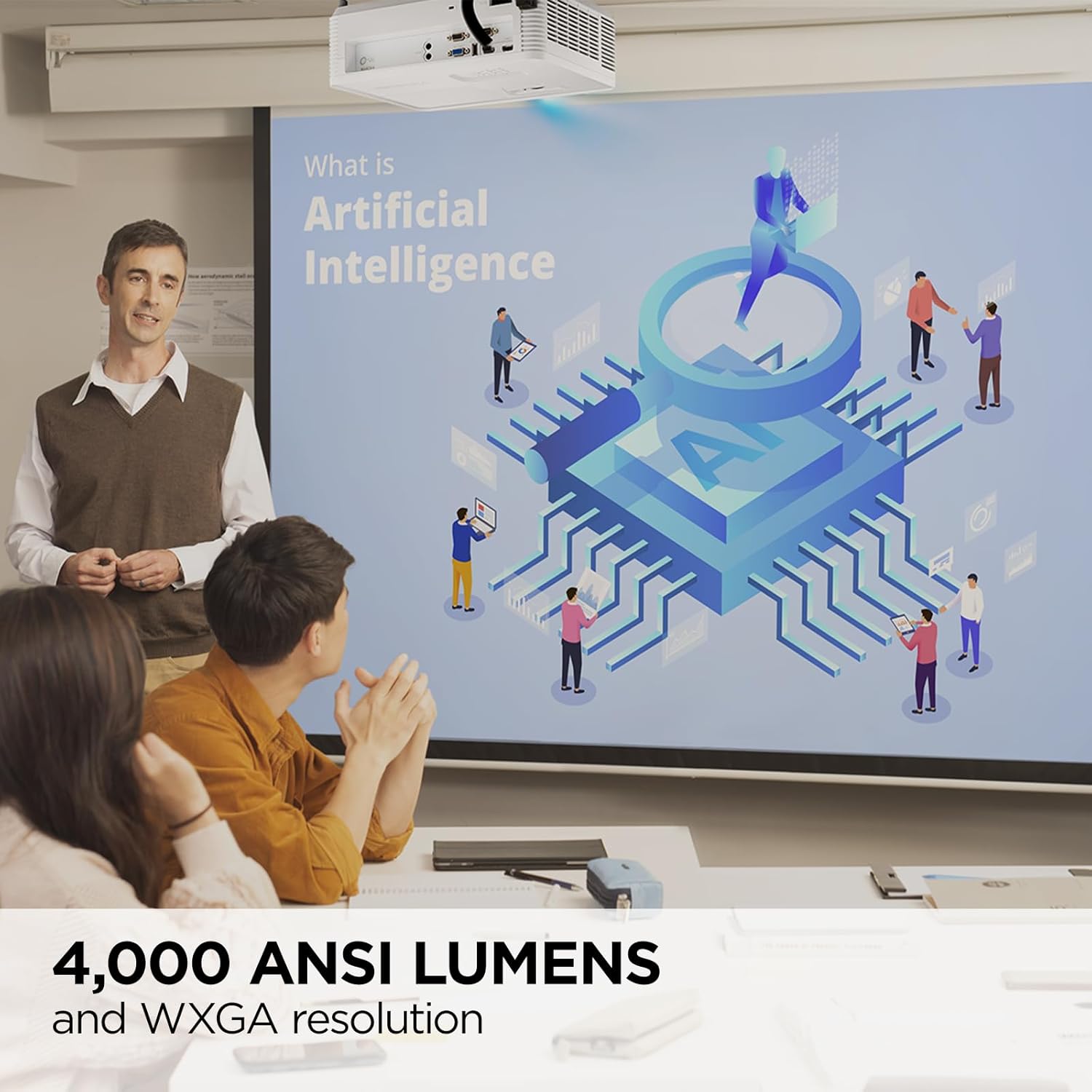
In such spaces, a bright projector with strong ANSI lumens helps maintain picture quality during daytime viewing. However, you should still manage ambient light with blinds, dimmable lamps, and darker décor near the screen area. Even modest changes to wall color and curtain density can significantly improve contrast and make HDR content more impactful.
When planning your layout, map the throw distance, seating positions, and cable routes before buying any hardware. A short throw or ultra short throw projector can sit close to the wall, freeing space and reducing shadows when people walk through the room. This arrangement also simplifies integration with a sound system, because speakers and subwoofers can cluster near the screen without blocking the image.
For families, ease of use matters as much as raw brightness or contrast ratio. Look for projectors with intuitive menus, reliable keystone tools, and presets for cinema, sports, and gaming. A well designed living room home cinema should let every family member enjoy a bright, sharp picture without constant adjustments or technical frustration.
Evaluating brands, specifications, and real world performance
Specification sheets for projectors can be confusing, especially when every brand claims to offer the best brightness and contrast. To judge the best high brightness home theater projectors, treat quoted lumens and contrast ratio as starting points rather than absolute truths. Real performance depends on calibration, room conditions, and how the projector handles mixed content like HDR films, streaming shows, and games.
BenQ projectors are often praised for balanced color accuracy and relatively low input lag, which suits mixed cinema and gaming use. Epson Home models typically emphasize high brightness and flexible lens shift, making them strong candidates for larger screens in bright rooms. When you compare these brands, pay attention to how each projector behaves in its cinema mode rather than only in its brightest preset.
Read full reviews that include measurements of ANSI lumens, color accuracy, and HDR handling in realistic environments. Look for comments on fan noise, motion handling, and how well the projector maintains picture quality as the lamp or laser ages. A projector that looks bright in a showroom may feel harsh or fatiguing in a small home theater room after long sessions.
Finally, consider support, warranty, and firmware updates as part of your decision. Projectors with active firmware development can gain better HDR tone mapping, improved input lag, or refined color modes over time. By weighing specifications against trustworthy testing and your own room constraints, you can select a projector that remains bright, cinematic, and enjoyable for many years.
Key statistics about high brightness home theater projectors
- Typical dedicated home theater rooms perform best with projectors rated between 1 500 and 2 500 ANSI lumens when ambient light is well controlled.
- Bright living rooms with large windows often require projectors delivering 3 000 ANSI lumens or more to maintain acceptable contrast during daytime viewing.
- Laser projector light sources commonly offer operational lifespans of 20 000 hours or longer before brightness drops significantly.
- Many gaming oriented projectors now target input lag figures below 20 milliseconds to satisfy competitive players.
- Ultra short throw projectors can create 100 inch images from distances as short as 20 to 30 centimeters from the wall.
Common questions about high brightness home theater projectors
What brightness level in lumens is suitable for a bright living room ?
For a bright living room with noticeable ambient light, aim for projectors rated at least 3 000 ANSI lumens. This level of brightness helps maintain picture quality and contrast when curtains are open or lights are on. Pairing such a projector with an ambient light rejecting screen further improves perceived contrast.
Are laser projectors always better than lamp based projectors for home cinema ?
Laser projectors are not always better, but they do offer advantages in brightness stability, lifespan, and instant on behavior. Lamp based projectors can still provide excellent image quality at a lower initial cost, especially in well controlled rooms. The best choice depends on your budget, usage hours, and tolerance for lamp replacements.
How important is contrast ratio compared with brightness for HDR movies ?
Contrast ratio is as important as brightness for convincing HDR movies, because it defines how deep blacks appear against bright highlights. High brightness without strong contrast can make the image look flat and washed out. A balanced projector with solid native contrast and accurate tone mapping usually delivers a more cinematic HDR experience.
Is an ultra short throw projector a good option for small apartments ?
An ultra short throw projector can be an excellent option for small apartments, because it sits close to the wall and saves space. It reduces shadows and simplifies cable management, making the setup more living room friendly. However, it benefits greatly from a dedicated screen and careful placement to avoid geometric distortions.
Do I need a special sound system when upgrading to a brighter projector ?
A brighter projector does not require a special sound system, but upgrading audio often completes the home cinema experience. Many built in speakers sound thin compared with even modest external soundbars or surround systems. Investing in a dedicated sound system ensures that the improved picture quality is matched by equally engaging sound.

![[2000ANSI]Smart Projector 4K with Built in Apps YouTube/PrimeVideo & Dolby, Outdoor Camping Projectors Portable Mini Projector Daylight Home Cinema with WiFi 6,Bluetooth 5.3 & HDR10+ Graphite Gray](https://www.home-theater-projector-guru.com/storage/932622/conversions/81tSOWp-GEL._AC_SL1500_-medium.webp)
![[2000ANSI]Smart Projector 4K with Built in Apps YouTube/PrimeVideo & Dolby, Outdoor Camping Projectors Portable Mini Projector Daylight Home Cinema with WiFi 6,Bluetooth 5.3 & HDR10+ Graphite Gray](https://www.home-theater-projector-guru.com/storage/932622/81tSOWp-GEL._AC_SL1500_.jpg)