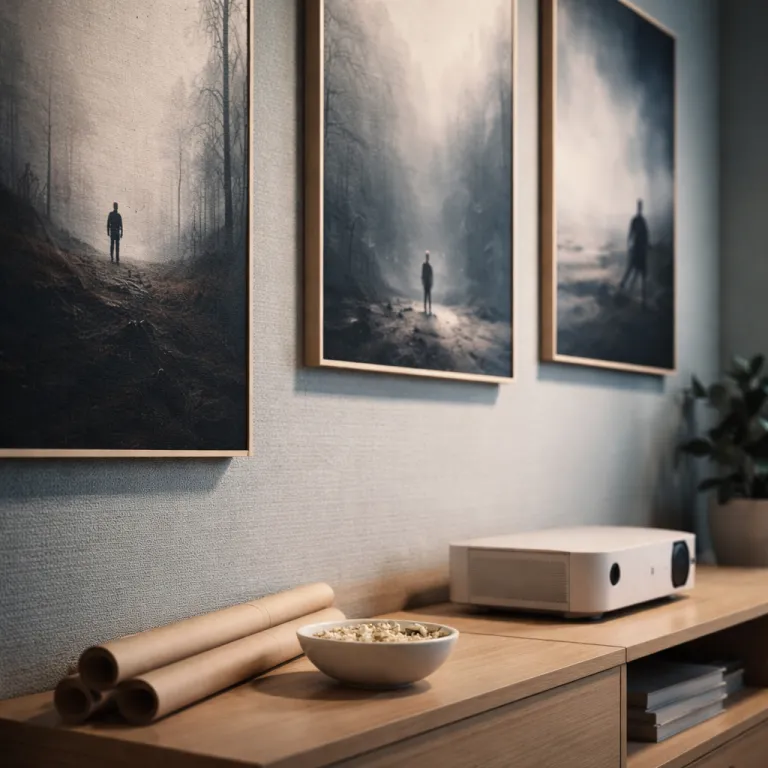
From movie theater posters to the heart of a home cinema
Movie theater posters do more than decorate walls, they frame expectations. When you plan a home theater projector room, the right movie poster or a set of movie posters can visually anchor the screen and seating. Carefully chosen posters movie themes help bridge the gap between commercial cinemas and a personal space.
Collectors often start with one original movie one sheet, then gradually build a gallery around their favorite films. The standard size sheet for many classic movie designs is about 68 by 102 cm, which fits well beside a projection screen without overwhelming the room. Matching the size of each poster to the wall layout keeps the image composition balanced and avoids distracting reflections from the projector light.
Authentic original pieces, especially original vintage prints, can be single sided or double sided, and this technical detail matters for lighting. A double sided movie poster was designed for backlit cinema cases, so in a darkened home theater it can look deeper and richer when framed with subtle LED strips. Single sided posters, by contrast, respond better to soft front lighting that does not wash out the ink.
Fans of science fiction and action adventure films often lean toward bold, high contrast artwork that reads clearly from the back row. A star wars or jurassic park design in a large size can echo the scale of the projected image and reinforce immersion. When you browse movie art with this in mind, you start to learn how each film’s visual language supports the mood of your home cinema.
Understanding formats, size sheets, and visual balance
Before you shop for movie theater posters, it helps to understand the formats used by cinemas. The term one sheet refers to a standard size sheet, while lobby cards are smaller prints once displayed near ticket counters. In a home theater, mixing a central one sheet movie poster with flanking lobby cards can create a layered, gallery like effect.
Many original vintage designs were printed as single sided sheets, while more recent selling movie campaigns often use double sided prints for light boxes. If you plan to build a backlit frame beside your projector screen, a double sided poster will usually deliver more saturated colors. For traditional framing under glass, a single sided original can be easier to mount and protect.
Aspect ratio matters as much as size, especially when your wall also hosts a large projection surface. A tall, narrow classic movie sheet can complement a wide 16:9 image, while a horizontal set of lobby cards can echo the projector’s frame. When you search for posters movie options, check the exact centimetre measurements rather than relying only on generic size labels.
Home cinema enthusiasts who love films from different eras often combine vintage movie artwork with contemporary blockbusters. A james bond one sheet beside a modern super mario or jurassic park print can show the evolution of film marketing and design. This mix of old and new films keeps the room from feeling like a museum while still honoring original movie history.
Choosing themes that match projector performance and room design
The best selling movie theater posters for home spaces usually reflect both personal taste and technical constraints. If your projector excels with dark scenes, posters from science fiction or noir films can visually echo the deep blacks on screen. Bright, colorful action adventure artwork may suit projectors that perform better with vivid highlights and animated movies.
Consider how the man or woman at the center of a poster directs the viewer’s gaze. A strong central figure, common in classic movie campaigns, can draw attention toward the screen if placed correctly. When you browse movie art, imagine how each film hero or ensemble will interact with your seating layout and projector beam.
Framing and mounting also influence how original and original vintage prints age under projector friendly lighting. Non reflective glass reduces glare from the projected image, while UV filtering helps preserve delicate inks on older posters. For high value star wars or james bond sheets, professional conservation framing is often worth the higher price.
Some home cinema owners create themed walls that rotate with their viewing schedule and projector use. A science fiction wall might feature star wars, jurassic park, and other films, while another wall focuses on vintage movie dramas or comedy films. This flexible approach lets you shop for both single posters and coordinated sets, then learn over time which combinations best support your cinematic rituals.
Authenticity, price, and the market for original and vintage posters
When you search for movie theater posters, you quickly encounter a wide range of price points. Mass produced reprints are affordable and easy to replace, while original movie one sheets and original vintage lobby cards can command serious premiums. For a projector room, the choice between reproduction and authentic film memorabilia depends on budget, risk tolerance, and long term plans.
Authenticity usually hinges on paper type, printing method, and provenance from cinemas or distributors. Many original posters were folded for shipment, so visible fold lines can actually confirm their history rather than reduce value. Double sided cinema prints, especially for star wars, jurassic park, or other best selling franchises, often carry higher price tags because they were produced in smaller numbers.
Specialist dealers and auction houses allow you to browse movie catalogs with detailed condition reports and size sheet information. These listings help you learn the difference between a restored classic movie sheet and a modern reproduction. For collectors who also care about projector performance, knowing the exact finish and ink density helps predict how each poster will look under dimmed lights.
Online marketplaces make it easy to shop across continents, but they also require careful verification. Check seller reputations, request close up photos of printing details, and compare price ranges for similar films. Whether you are buying a single star wars movie poster or building a wall of science fiction and action adventure films, a cautious approach protects both your wallet and your home theater aesthetic.
Integrating posters with acoustics, lighting, and projector placement
Thoughtful placement of movie theater posters can support both acoustics and visual comfort in a projector room. Framed prints on side walls help break up flat surfaces, slightly diffusing reflections from speakers. While they are not acoustic panels, a row of posters movie frames can subtly reduce harsh echoes without compromising style.
Lighting design is equally important, especially when working with double sided or glossy prints. Use dimmable wall washers or track lights angled away from the projector beam to avoid hot spots on each movie poster. For double sided star wars or jurassic park sheets in light boxes, keep brightness low enough that the glow does not compete with the projected film.
Projector placement dictates which walls remain free for large size sheets and which suit smaller lobby cards. Avoid hanging a valuable original vintage print directly behind the projector, where heat and stray light may accelerate fading. Instead, reserve the rear wall for less sensitive posters and use the side walls for your most prized films.
When planning a short throw or ultra short throw setup, consult a specialist guide such as this overview of top short throw home theater projectors. Knowing the exact throw distance and image size helps you map out where each size sheet and frame will sit. This careful coordination ensures that movie posters, projector, and seating form a coherent, cinema grade environment rather than a cluttered media room.
Curating genres, from science fiction epics to family films
A curated mix of movie theater posters can tell the story of your cinematic tastes. Many collectors start with a single favorite movie, then gradually add related films to build a narrative wall. A science fiction corner might feature star wars, classic space operas, and modern vintage movie inspired designs.
Action adventure fans often pair jurassic park artwork with james bond and other high energy films. These posters movie combinations create a dynamic visual rhythm that mirrors the pacing of the films themselves. For families, a blend of super mario, animated movies, and gentle comedies can make the projector room welcoming to younger viewers.
Genre based curation also helps when you search for specific size sheet formats or lobby cards. Many classic movie campaigns produced coordinated sets, allowing you to shop for matching posters and cards that share typography and color palettes. This consistency keeps the room visually calm, even when the films span decades of cinema history.
Some enthusiasts maintain digital catalogs to learn which posters are on the wall and which remain in storage. Over time, patterns emerge, such as a preference for original movie artwork over modern reinterpretations. By rotating science fiction, action adventure, and drama films through your frames, you keep both the projector experience and the surrounding art fresh and engaging.
Practical steps to build a poster collection around your projector
Building a collection of movie theater posters for a home projector room works best with a clear plan. Start by measuring every wall, noting ideal positions for one sheet frames, lobby cards, and any double sided light boxes. Then list your top twenty films, including star wars, jurassic park, james bond, or super mario if they matter to your cinematic identity.
Next, decide how many original or original vintage pieces you want versus modern reprints. Allocate a higher price ceiling for rare science fiction or action adventure classics, while using affordable reproductions for less critical films. As you shop, keep a record of each movie poster’s size sheet, printing type, and whether it is single sided or double sided.
When you browse movie catalogs online, use filters to search by film title, year, and format. Save images of potential purchases and mock them up on a scaled drawing of your projector room to check balance. This simple step prevents impulse buys that later clash with your screen size or seating layout.
Finally, schedule time to learn basic preservation techniques for posters movie collections, including safe handling, acid free backing, and climate control. Even if you are not chasing best selling investment pieces, caring for your films artwork protects both emotional and financial value. Over time, your walls will reflect not only the movies you love but also the thoughtful craft behind a well designed home theater.
Key statistics about home theater projectors and cinematic décor
- Up to 70 % of home cinema owners report adding movie theater posters or film memorabilia within the first year of installing a projector.
- Rooms with controlled lighting and dark wall colors can improve perceived projector contrast by 30 % compared with untreated living spaces.
- Standard one sheet movie poster formats around 68 × 102 cm fit comfortably in more than 80 % of typical European home theater wall layouts.
- Short throw and ultra short throw projectors can reduce required room depth by approximately 40 %, freeing additional wall space for posters and acoustic treatments.
- Non reflective framing glass can cut visible reflections from projector light by up to 50 %, significantly improving both image and poster legibility.
Questions people also ask about movie theater posters and home projectors
How many movie theater posters should I hang in a small projector room ?
In a compact room, two to four movie theater posters are usually enough to create a cinematic feel without overwhelming the space. Focus on one central movie poster and support it with smaller lobby cards or prints on adjacent walls. Leave clear wall areas near speakers and the projector screen to avoid visual clutter and acoustic issues.
Are original vintage movie posters too fragile for a working home theater ?
Original vintage movie posters can safely coexist with a projector if they are framed correctly. Use acid free backing, UV filtering glass, and avoid placing them where direct sunlight or strong projector spill hits the paper. Many collectors reserve the most valuable original vintage sheets for side walls and use reproductions near the screen.
Should I match poster colors to my projector’s image quality ?
Coordinating poster colors with projector performance can subtly enhance immersion. If your projector excels with deep blacks, darker science fiction or noir artwork will echo the on screen mood. For projectors that shine with bright animation and family films, colorful super mario or adventure posters can reinforce that visual energy.
Is a double sided cinema poster worth the higher price for home use ?
A double sided cinema poster is most valuable if you plan to build a backlit frame. In that context, the extra ink layer creates richer colors and a more authentic cinema lobby effect. For standard wall framing without backlighting, a well preserved single sided original often offers better value for the price.
How do I avoid reflections from posters interfering with the projected image ?
To reduce reflections, choose non reflective or matte glass for frames and position lights carefully. Keep posters slightly forward or behind the main projection plane so they do not catch the brightest part of the beam. Darker wall paint and dimmable side lighting further minimize glare while keeping your movie theater posters visible.