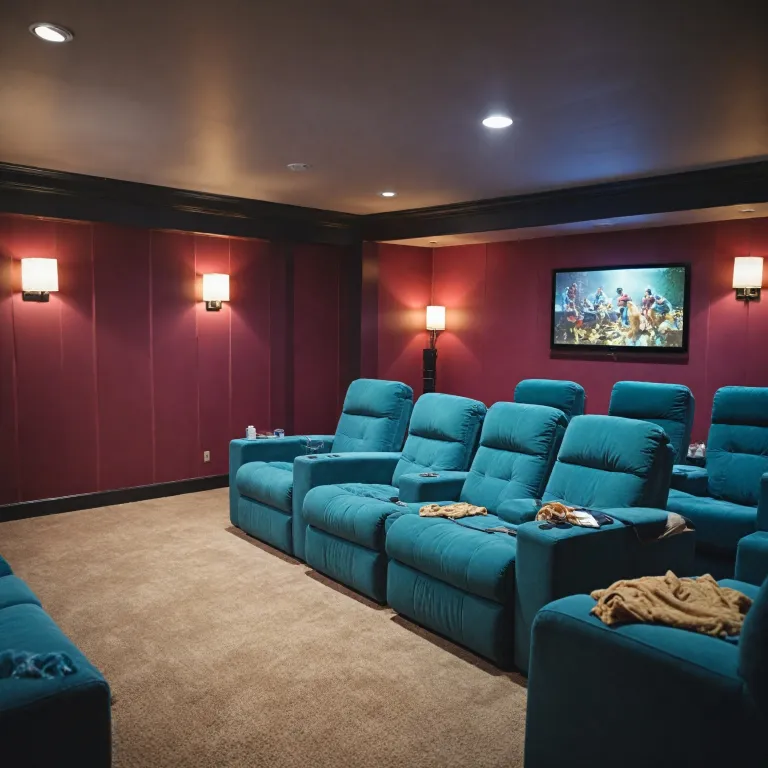

Understanding the unique challenges of basement movie theaters
Why basements are different from other rooms
When planning a basement theater, it’s important to recognize that basements present unique challenges compared to other rooms in your home. The lower level location, concrete walls, and limited natural light can all impact your theater experience. Understanding these factors will help you make better decisions about projector selection, sound system setup, and overall theater design.
Common obstacles in basement theater design
- Ceiling height and room dimensions: Many basements have lower ceilings and unusual room dimensions. This can affect your choice of projector screen size, seating layout, and even the type of projector you select. Measuring your space accurately is crucial for a comfortable theater room.
- Wall and floor materials: Concrete or brick walls and hard floors can create sound reflection issues, making it harder to achieve clear audio. Adding acoustic treatments like bass traps or wall panels can help control sound and improve your movie experience.
- Lighting control: While basements often have less natural light, managing artificial lighting is still essential. Light from side rooms, bar areas, or even a fireplace basement setup can affect your projector’s image quality.
- Moisture and temperature: Basements can be prone to dampness and temperature swings. Proper ventilation and temperature control are necessary to protect your equipment and ensure comfort during long movie nights.
Planning for a modern basement theater
Before you start your basement remodel or invest in a finished basement, consider how your design choices will impact the theater experience. Think about where to place your projector screen, how to arrange seats for the best view, and what sound system will work best in your space. If you’re interested in advanced control options for your setup, check out this guide on choosing the right PTZ camera controller for your home theater projector setup.
Taking the time to address these challenges early in your basement design will help you create a theater room that’s both functional and enjoyable for everyone.
Choosing the right projector for your basement
Projector Selection: Matching Technology to Your Basement
When it comes to creating a true theater experience in your basement, the projector is the centerpiece. Basements often have unique room dimensions, wall colors, and ceiling heights, all of which influence your projector choice. The right model will bring your movie nights to life, whether your basement is a finished basement or a modern remodel.
- Room Size and Throw Distance: Measure your space carefully. Short-throw projectors work well in smaller rooms, while standard models suit larger basement theaters. Consider the distance from the projector to the screen or wall, as this affects image size and clarity.
- Brightness and Ambient Light: Basements usually have less natural light, but lighting design still matters. Look for a projector with at least 2,000 lumens for a vivid picture, especially if you plan to add a bar or accent lighting. Dark paint colors on walls and ceilings can help reduce reflections and improve contrast.
- Resolution and Screen Size: For a true movie theater feel, opt for at least Full HD (1080p) resolution. If your budget allows, 4K projectors deliver stunning detail, especially on larger projector screens. Match the screen size to your seating layout and room dimensions for the best viewing angles.
- Sound Integration: Some projectors have built-in speakers, but for a real theater room, pair your projector with a dedicated sound system. This allows you to position speakers along the side walls, ceiling, or even behind the screen for immersive sound, including support for Atmos DTS setups.
- Connectivity and Modern Features: Make sure your projector supports HDMI, streaming devices, and wireless connections for flexibility. If you’re planning a basement remodel, consider cable management and mounting options for a clean, modern design.
Choosing the right projector is just one part of your basement theater design. The floor, walls, and even the type of carpet you choose can impact both sound and picture quality. For tips on selecting the perfect home theater carpet to enhance your viewing experience, check out this guide on home theater carpet.
Don’t forget to factor in your seating ideas, as well as the placement of your projector screen and speakers. With careful planning, your basement can become a comfortable, functional, and modern movie theater space that rivals commercial cinemas in the United States.
Optimizing sound in a basement environment
Creating Immersive Sound in Your Basement Theater
Achieving great sound in a basement theater room is just as important as choosing the right projector or screen. Basements often have unique acoustics due to concrete walls, low ceilings, and limited windows, which can affect how sound travels and is absorbed. Here’s how to optimize your sound system for a true movie theater experience:- Speaker Placement: Position speakers at ear level when seated. For surround sound, place side and rear speakers slightly above ear height, angled toward the seating area. If your room dimensions allow, consider in-wall or in-ceiling speakers for a modern, clean look.
- Bass Management: Concrete floors and walls can amplify bass, sometimes making it boomy. Use bass traps in the corners to absorb excess low frequencies. This helps create a balanced sound, especially when watching action-packed movies.
- Soundproofing: Add acoustic panels or thick curtains to walls and ceilings. These absorb echoes and prevent sound from bouncing around the room. Carpeting or large area rugs on the floor also help dampen noise, making your theater design more comfortable and immersive.
- Speaker Calibration: Use your AV receiver’s calibration system to fine-tune speaker levels and distances. This ensures that everyone, no matter where they sit, gets clear, balanced audio.
- Atmos and DTS:X: For a truly modern theater experience, consider a sound system that supports Dolby Atmos or DTS:X. These formats use ceiling or upward-firing speakers to create a 3D sound field, making you feel like you’re inside the movie.
Managing lighting for the best viewing experience
Controlling Light for a True Theater Atmosphere
Basements often have an advantage for movie theater setups because they typically have fewer windows and less natural light. However, even small amounts of ambient light can wash out your projector screen and reduce the impact of your movie experience. To get the most out of your projector and sound system, managing lighting is essential.- Block Out Light Sources: Use blackout curtains or shades on any windows. For a finished basement, consider built-in window covers that blend with your theater design.
- Wall and Ceiling Paint Colors: Dark, matte paint colors on walls and ceilings help absorb stray light and prevent reflections. Deep grays, navy, or even black are popular choices for a modern basement theater room.
- Lighting Fixtures: Install dimmable LED lights or sconces along the side walls. This lets you adjust brightness for different activities, from movie nights to entertaining at the bar area.
- Floor and Seating Considerations: Carpeting on the floor and fabric seats absorb light and sound, reducing glare and echo. This enhances both the visual and audio experience in your basement remodel.
Practical Lighting Ideas for Your Basement Theater
- Recessed Lighting: Place recessed lights in the ceiling, away from the projector screen, to avoid casting shadows or creating hotspots.
- LED Strip Lights: Add LED strips under seats or along the baseboards for subtle pathway lighting. This is a popular theater idea that adds a modern touch and improves safety.
- Smart Lighting Controls: Use smart bulbs or switches to control lighting scenes from your phone or a remote. This makes it easy to set the mood for any movie or event in your basement theater room.
Optimizing for Projector Performance
The right lighting setup will make your projector screen pop, even in a room with limited space. Pay attention to room dimensions and the placement of your projector relative to walls and seats. Avoid placing lights directly above or in front of the screen, as this can reduce image quality. If your basement design includes a fireplace, make sure any accent lighting does not interfere with your viewing area. By carefully managing lighting, you create a true theater experience that rivals commercial movie theaters in the United States. Combine these lighting ideas with thoughtful sound system placement, bass traps, and seating arrangements for a complete basement theater transformation.Seating and layout ideas for comfort and functionality
Smart Seating Choices for Comfort and Immersion
Designing the seating in your basement theater is about more than just picking chairs. The right arrangement can transform your finished basement into a true movie theater experience. Start by measuring your room dimensions and considering the projector screen size. This helps you determine how many seats will fit comfortably without blocking the view or sound.
- Staggered Rows: If ceiling height allows, consider building a riser for the back row. This stadium-style layout improves sightlines and adds a real theater feel.
- Recliners vs. Sofas: Modern theater seats with cup holders and power recline are popular, but sectionals or loveseats can create a cozy vibe for family movie nights.
- Flexible Options: Bean bags or modular seating let you adapt the space for different group sizes or activities.
Layout Tips for Functionality and Flow
Think about how people will move through the room. Leave enough space between rows and along the side walls for easy access. If your basement design includes a bar or snack area, position it at the back or side to minimize distractions during the movie.
- Wall Placement: Avoid placing seats directly against the back wall. This can negatively affect sound quality, especially with a surround sound system or bass traps.
- Fireplace Basement: If your basement remodel includes a fireplace, arrange seats to enjoy both the screen and the warmth without glare or reflections.
Enhancing the Theater Atmosphere
Paint colors matter. Darker shades on the walls and ceiling reduce light reflection, making the projector image pop. Consider acoustic panels or thick curtains on the side walls to improve sound and add a modern, finished look. Floor carpeting or area rugs help absorb sound and boost comfort.
For extra flair, add LED lighting under seats or along the floor for a classic theater vibe. Don’t forget to leave room for future upgrades, like adding more seats or upgrading your sound system to Atmos DTS standards. With thoughtful theater design and smart seating ideas, your basement theater will become the ultimate gathering spot for movie nights in the United States.
Dealing with ventilation and temperature control
Keeping Your Theater Room Comfortable Year-Round
A finished basement can be the perfect spot for a home theater, but temperature and air quality often present unique challenges. Unlike main-level rooms, basements tend to be cooler and more humid, which can affect both comfort and the longevity of your equipment. Here’s how to keep your theater experience enjoyable, no matter the season.- Ventilation is Key: Projectors, sound systems, and even modern seating can generate heat. Without proper airflow, your theater room may become stuffy or too warm during long movie sessions. Consider adding dedicated vents or a small, quiet ceiling fan to circulate air without disrupting sound quality.
- Humidity Control: Basements in the United States are prone to moisture. A dehumidifier helps protect your projector screen, speakers, and bass traps from mold and mildew. It also keeps the air fresh, which is especially important if your basement design includes a bar or snack area.
- Insulation and Wall Treatments: Insulating your walls and ceiling not only improves sound but also helps maintain a stable temperature. Acoustic panels or thick curtains along side walls can double as both sound system enhancers and thermal barriers.
- Smart Thermostat: Integrate a smart thermostat to monitor and adjust the temperature in your theater room. This is particularly useful if your basement remodel includes multiple zones or if your theater ideas involve a fireplace basement feature.
- Flooring Choices: Carpet or area rugs add warmth and help with sound absorption. Hard floors can feel cold and reflect sound, so consider layering for both comfort and acoustics.