What is a subsonic filter and how does it work
Understanding the Basics of Subsonic Filters
When setting up a home theater system, especially if you enjoy spinning vinyl records or using a turntable, you might come across the term subsonic filter. But what exactly is it, and why does it matter for your audio experience?
A subsonic filter, sometimes called a rumble filter, is a type of high pass filter designed to remove very low frequencies from your audio signal. These low frequencies, often below 20 Hz, are typically inaudible to the human ear but can cause unwanted movement in your woofer or speakers—this is known as woofer pumping. The filter works by allowing frequencies above a certain threshold to pass through, while blocking or reducing those below that point.
Subsonic filters are commonly found in phono preamps, pre amps, and some amplifiers. They are especially useful when playing vinyl records, as turntables can pick up mechanical vibrations or low frequency noise from the environment. Without a subsonic filter, these low frequencies can travel through your system, causing distortion, wasted amp power, and even potential damage to your speakers or woofers.
- Vinyl and turntables: Subsonic filters help eliminate low frequency rumble caused by imperfections in vinyl records or vibrations from the turntable itself.
- Ported speakers and woofers: These are more sensitive to low frequencies, making a filter especially important to prevent unwanted movement and maintain sound quality.
- Home theater systems: Integrating a subsonic filter ensures your audio remains clear and free from unnecessary low frequency noise, enhancing your overall listening experience.
For those interested in optimizing every aspect of their home theater audio, understanding how a subsonic filter works is a key step. If you want to go deeper into optimizing speaker placement for your home theater projector setup, it’s worth exploring how these filters interact with your system’s components.
In the next section, we’ll look at why low-frequency noise can be a real problem in home theater environments and how it affects your music and movie experience.
- + 4K UHD resolution for stunning visuals
- + Dolby Sound for immersive audio experience
- + Built-in Streaming Apps for easy access to content
- + Wi-Fi & Bluetooth connectivity options
- + Compatible with game consoles and smartphones

Why low-frequency noise matters in home theater environments
Why Controlling Low Frequencies Is Essential for Home Theater Audio
Low-frequency noise can be a hidden problem in many home theater setups. When you play music or movies, especially with vinyl records or turntables, unwanted low frequencies—sometimes called subsonic or infrasonic signals—can sneak into your audio system. These are sounds below the range of human hearing, but they can still affect your listening experience.
For example, if you use a phono preamp with your turntable, vibrations from footsteps, a spinning vinyl, or even a slightly warped record can create rumble. This rumble is a type of low-frequency noise that travels through your system and can cause your woofer or ported speakers to move excessively, a phenomenon known as woofer pumping. This not only distorts the bass but can also stress your amp and speakers, reducing their lifespan and sound quality.
- Low frequencies can mask important audio details, making dialogue and music less clear.
- Unfiltered low-frequency signals waste amplifier power, which could be used for the actual music or movie soundtrack.
- Excessive woofer movement can lead to mechanical noise or even damage, especially if your system is set up in a room with lots of vibration sources.
Whether you’re using a high quality phono preamp, a box system, or a set of ported speakers, managing these frequencies is crucial. Subsonic filters, sometimes called rumble filters or high pass filters, are designed to block these unwanted signals before they reach your main speakers or subwoofer. This helps maintain clean, powerful bass and protects your audio gear.
If you’re looking to optimize your speaker placement and overall sound quality, you might also want to check out this guide on how to optimize speaker placement for your home theater projector setup. Proper placement, combined with effective subsonic filtering, can make a noticeable difference in your listening experience.
Benefits of using a subsonic filter with your projector audio
Why a subsonic filter makes a difference for your home theater audio
Adding a subsonic filter to your home theater system can have a real impact on sound quality, especially if you use vinyl records, a turntable, or ported speakers. These filters are designed to block low frequencies that your speakers or woofer can’t reproduce effectively. This is important because unwanted low frequency noise—sometimes called rumble—can muddy your audio and even cause issues like woofer pumping.
- Cleaner bass: By filtering out subsonic frequencies, your system delivers tighter, more accurate bass. You’ll notice that music and movie soundtracks sound clearer, with less distortion from your woofer or speakers.
- Protects your equipment: Low frequencies below the range of human hearing can force your amp and speakers to work harder than necessary. A subsonic filter helps prevent unnecessary stress on your audio gear, especially if you’re spinning vinyl or using a phono preamp.
- Reduces unwanted noise: If you’ve ever heard a deep rumble or felt your woofer moving without any real bass in the audio, that’s often low frequency noise from sources like vinyl records or turntables. A rumble filter (another name for a subsonic filter) helps eliminate this problem, so your system sounds as it should.
- Improves overall sound quality: With low frequencies filtered out, your speakers can focus on the frequencies they’re designed to handle. This means better clarity, more dynamic range, and a more immersive experience—whether you’re watching a blockbuster or listening to music.
When you set up your home theater, it’s easy to overlook the impact of low frequency noise. But a high quality subsonic filter, properly set in your pre amp or phono preamp, can make a big difference. If you’re looking for other ways to enhance your viewing and listening experience, consider how home theater curtains can improve your setup by reducing light and unwanted reflections.
Subsonic filters are especially useful if you use ported speakers or enjoy spinning vinyl. They help you skip the main problem of woofer pumping and keep your system sounding its best. Just make sure your filter set is matched to your system and that the filter steep is appropriate for your needs. With the right setup, you’ll enjoy free, high quality audio without the distractions of unwanted low frequencies.
When should you consider adding a subsonic filter
Signs Your System Needs a Subsonic Filter
Adding a subsonic filter to your home theater setup isn’t always necessary, but there are clear situations where it can make a real difference. If you’re experiencing issues with low frequency noise, or if your speakers and audio gear are showing signs of stress, it’s time to consider a filter.
- Woofer pumping: If your woofers are visibly moving even when there’s no deep bass in the music or movie soundtrack, this is a classic sign of low frequency rumble. This can happen with vinyl records, especially if your turntable or phono preamp picks up vibrations from footsteps or a nearby subwoofer.
- Distorted or muddy bass: When low frequencies overwhelm your speakers, the overall sound quality suffers. You might notice the bass is boomy or the audio lacks clarity. A subsonic filter helps by blocking frequencies your speakers or amp can’t handle.
- Using ported speakers or subwoofers: Ported designs can be more sensitive to unwanted low frequency signals. If your system includes these, a filter can prevent problems like woofer over-excursion or even damage.
- Spinning vinyl records: If you love to spin vinyl, a subsonic filter (sometimes called a rumble filter) is almost essential. It keeps turntable vibrations from being amplified through your system, protecting your speakers and improving sound quality.
- Home theater setups with sensitive phono preamps: Some pre amps and phono preamps are more prone to picking up low frequency noise. If you notice this, a filter set at the right frequency can help.
Evaluating Your Audio Environment
Consider your room, gear, and listening habits. If you have a high quality system but still hear unwanted low frequencies, or if you notice your speakers working harder than they should, a subsonic filter may be the solution. It’s especially important in setups where vinyl, turntables, or ported speakers are part of the mix. Don’t forget to check your amp and speaker specs to see if they recommend a high pass or subsonic filter for best performance.
In summary, if your system is affected by low frequency noise, woofer pumping, or you want to protect your audio investment, adding a subsonic filter is a smart step. It will help keep your bass tight, your speakers safe, and your music or movie experience free from unwanted rumble.
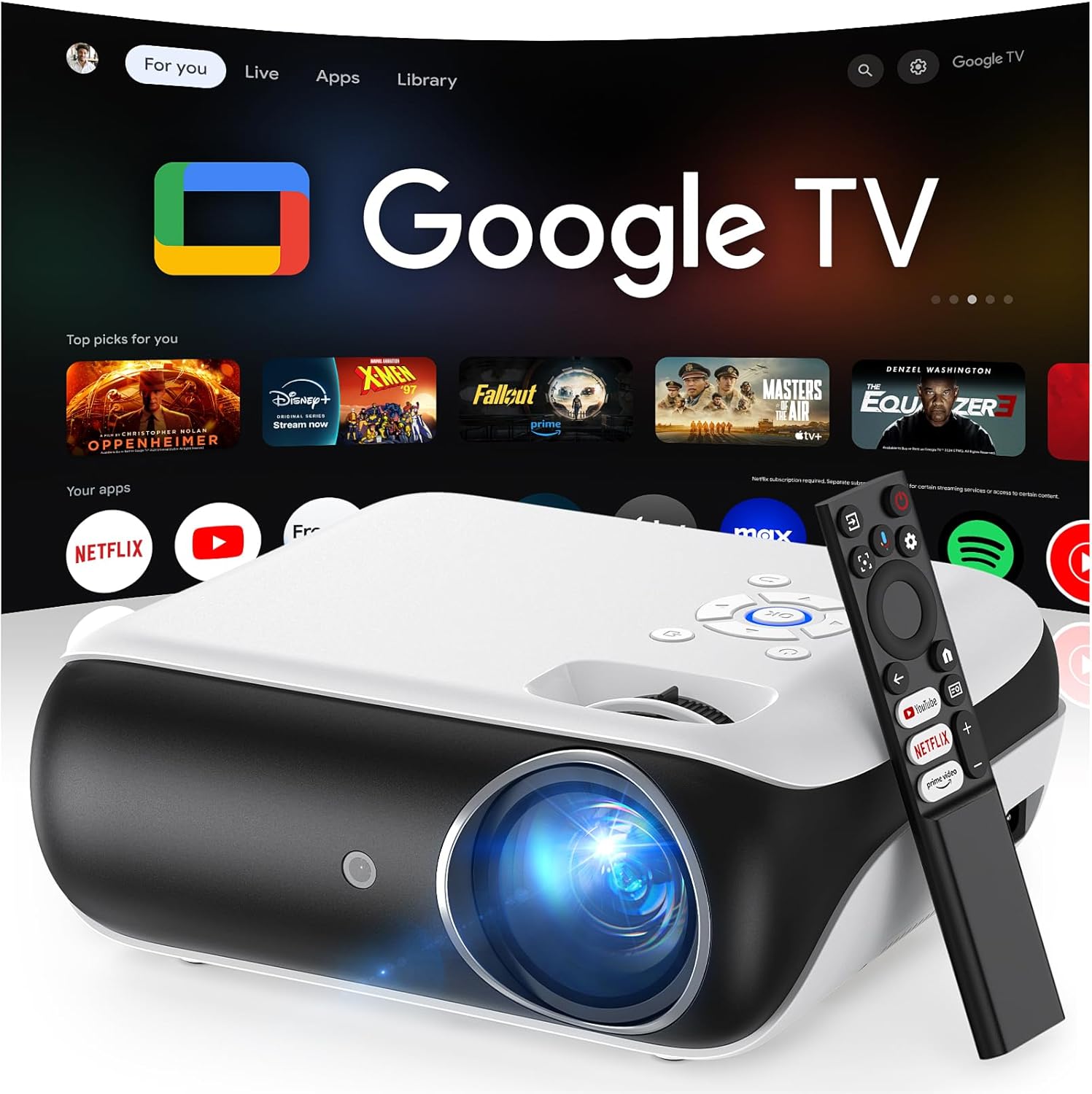
![[Built-in Official Apps/4K Support] Smart Outdoor Projector with WiFi and Bluetooth, 800ANSI Movie Projector, DoIby Audio with Dual Speaker, Auto Focus w/ YouTube&PrimeVideo Proyector, Upgrad P62 Pro Standard Black](https://www.home-theater-projector-guru.com/storage/677458/conversions/81GBqwrIy-L._AC_SL1500_-medium.webp)
- + 4K Support for high-resolution movies
- + Built-in Official Apps like YouTube & Prime Video
- + 800 ANSI Lumens for bright images
- + WiFi and Bluetooth connectivity
- + Auto Focus feature for easy setup
How to set up a subsonic filter in your home theater system
Steps to Integrate a Subsonic Filter into Your Audio Chain
Setting up a subsonic filter in your home theater system is a practical way to protect your speakers and improve sound quality, especially if you enjoy spinning vinyl records or use ported speakers. Here’s how you can add a subsonic filter to your setup:- Identify the Source: If you use a turntable or phono preamp, start by locating where the low frequency rumble or woofer pumping is most noticeable. This is usually between your turntable and amp or between your pre amp and speakers.
- Select the Right Filter: Choose a high quality subsonic filter or rumble filter that matches your system’s requirements. Some phono pre amps have built-in subsonic filters, while others require an external box. Make sure the filter steep is appropriate for your needs—steeper filters cut low frequencies more aggressively, which can be helpful for severe problems.
- Connect the Filter: For vinyl setups, place the subsonic filter between your turntable and phono preamp, or between the pre amp and your main amp. If your system uses powered speakers or a home theater receiver, insert the filter before the signal reaches the amp or speakers.
- Set the Filter Frequency: Most subsonic filters are set to block frequencies below 20 Hz, which are inaudible but can cause woofer pumping and stress your system. Some filters allow you to adjust this cutoff point, so experiment to find the best balance between bass impact and protection from unwanted low frequency noise.
- Test and Adjust: Play music with deep bass or spin vinyl records that previously caused problems. Listen for improvements in sound quality and check if the woofer movement is reduced. If you notice a loss of bass, the filter may be set too high—lower the cutoff frequency if possible.
Tips for a Smooth Installation
- Use high quality cables to connect your filter, especially if your system is sensitive to interference.
- Double check the input and output connections on the filter box to avoid signal loss or phase issues.
- If you have multiple sources (like a CD player and a turntable), consider whether each needs its own filter or if a single filter in the main audio path will suffice.
- Some subsonic filters are passive, while others require power—make sure your setup matches the filter type.
Common mistakes and troubleshooting tips
Typical Issues When Using Subsonic Filters
Even with a high quality subsonic filter in your home theater system, some common problems can crop up. Many users notice issues like woofer pumping, loss of bass, or unexpected distortion. These are often linked to how the filter is set, the type of audio equipment used, or the nature of the source material, such as vinyl records played on a turntable with a phono preamp.
- Woofer pumping: If your woofer moves excessively without producing much sound, the filter may not be steep enough or set at the right frequency. This can happen with ported speakers or when playing vinyl with a rumble filter that’s not properly adjusted.
- Loss of low frequencies: Setting the filter frequency too high can cut out desirable bass from your music or movie audio. Always check the recommended frequency range for your speakers and amp to avoid this problem.
- Distortion or thin sound: If the subsonic filter is placed before a pre amp or in the wrong part of the signal chain, it can degrade sound quality. Make sure the filter is compatible with your system’s phono preamps, pre amps, and main audio box.
How to Troubleshoot and Avoid Mistakes
To get the best sound quality and free your system from unwanted low frequency noise, follow these troubleshooting tips:
- Double-check that the filter is installed in the correct spot. For vinyl setups, it usually goes between the turntable and the phono preamp, or between the preamp and the amp.
- Start with a conservative filter set. If you’re unsure, use a lower cutoff frequency and gradually increase it until you eliminate the problem without losing musical bass.
- Test your system with different sources. Spin vinyl, play digital music, and watch movies to ensure the filter works well across all content.
- If you notice a sudden drop in bass or sound quality, review your connections and make sure the filter matches your system’s impedance and signal levels.
- For ported speakers or systems with multiple woofers, check if each channel needs its own filter for optimal performance.
Remember, subsonic filters are designed to improve your listening experience by removing unwanted low frequencies, but the right setup is key. Take your time to experiment and adjust, and don’t hesitate to consult your equipment’s manual or seek advice from audio professionals if you run into persistent problems.
![[Built-in Official Apps/4K Support] Smart Outdoor Projector with WiFi and Bluetooth, 800ANSI Movie Projector, DoIby Audio with Dual Speaker, Auto Focus w/ YouTube&PrimeVideo Proyector, Upgrad P62 Pro Standard Black](https://www.home-theater-projector-guru.com/storage/677458/81GBqwrIy-L._AC_SL1500_.jpg)