

Understanding repeater IR systems
What is an IR Repeater System?
In a home theater projector setup, controlling devices like your cable box, Blu-ray player, or streaming product can be tricky, especially when these components are hidden away in cabinets or mounted behind walls. An IR (infrared) repeater system, sometimes called a control extender or repeater kit, is designed to solve this problem. It lets you use your original remote control to operate devices that are out of direct line of sight.
Key Components and How They Work Together
Most IR repeater systems include a few essential parts:
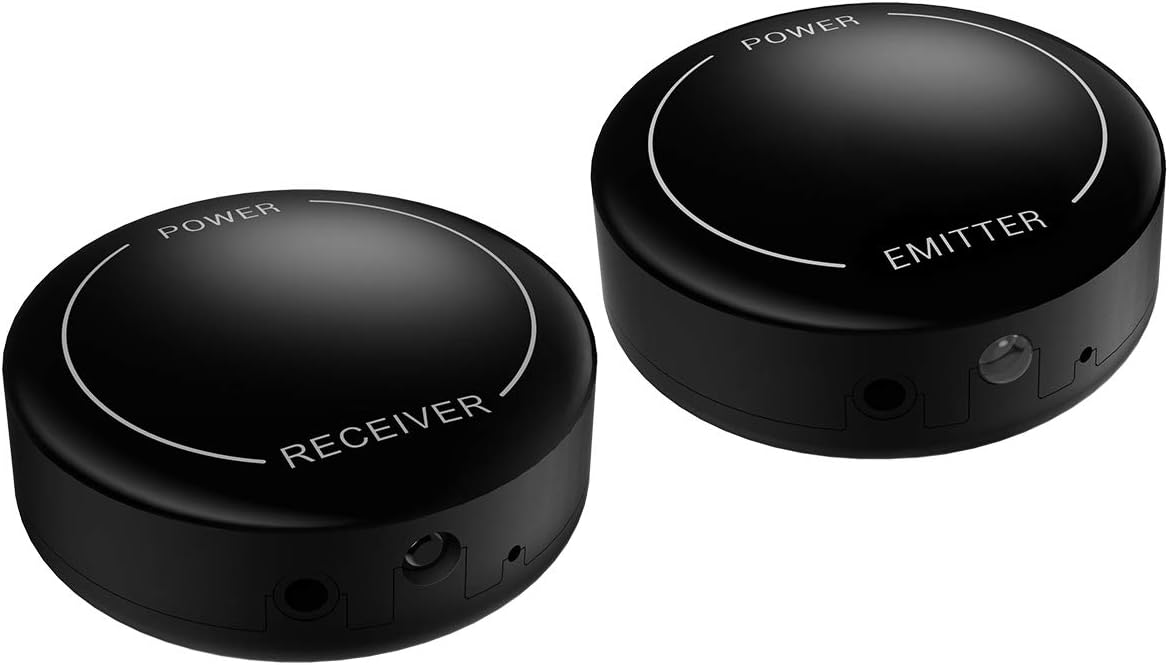
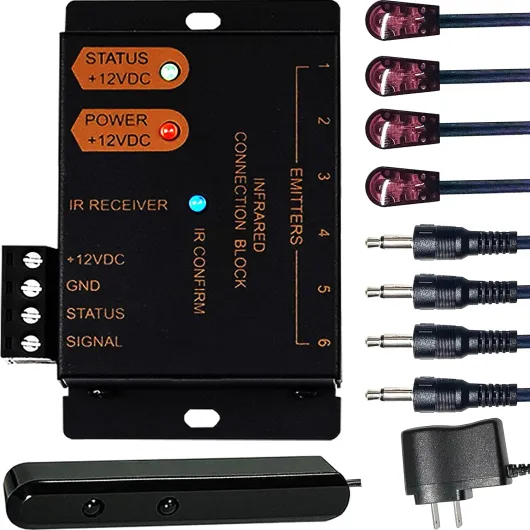
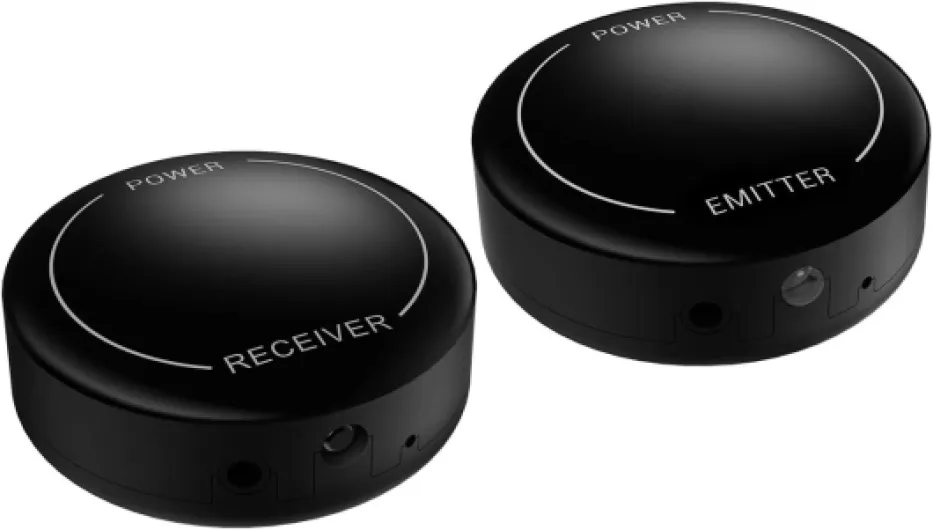
- IR Receiver: This small sensor picks up signals from your remote control. It can be wall mounted or placed near your projector screen for easy access.
- Emitter: The emitter sends the remote's signal to your hidden devices. Some kits include multiple emitters for controlling several products at once, like a Blu-ray player and a cable box.
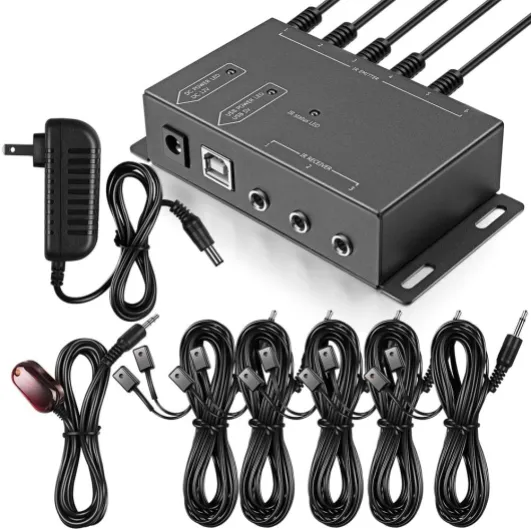
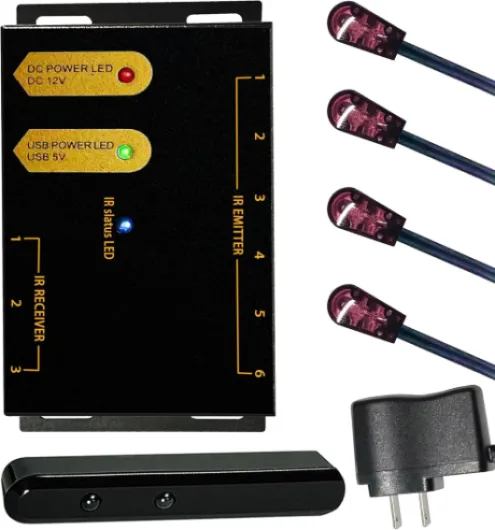
- Repeater or Extender Module: This unit processes the signal from the receiver and relays it to the emitters. Some systems are USB powered, while others use a vdc adapter.
- Extension Cable: Useful for reaching devices that are far from the receiver, especially in larger home theater rooms.
Why Consider a Repeater System?
Many modern home theater setups use projectors, HDMI switchers, and other components that are often hidden for a clean look. This can make it difficult for your remote control to communicate with these devices. An IR repeater kit or wireless pro repeater system can save you the hassle of opening cabinets or pointing your remote in awkward directions. Some advanced products, like the BlastIR or Sewell BlastIR Wireless, offer extended range khz and wireless pro features for even more flexibility.
What to Look For in a Repeater Kit
When shopping for an IR repeater system, consider:
- Price and Package Quantity: Kits vary in price depending on the number of emitters, receivers, and extension cables included.
- Compatibility: Make sure the system supports the range khz of your remote controls and devices.
- Power Options: Some kits are USB powered, while others require a separate power supply.
- Installation Flexibility: Look for wall mounted options or kits with long extension cables for custom setups.
For more tips on optimizing your home theater setup, including choosing the right soundbar stand, check out this guide on selecting a soundbar stand for your projector setup.

Common remote control challenges in home theater projector setups
Why Remote Controls Struggle in Home Theater Setups
Setting up a home theater projector often means hiding devices like your cable box, Blu ray player, or streaming products out of sight. While this creates a clean look, it introduces a common problem: your original remote control may not work as expected. Infrared (IR) signals need a clear line of sight. When equipment is tucked away in cabinets, wall mounted, or placed behind the projector screen, the IR signals can’t reach the devices. This is where a repeater or control extender becomes essential.
Typical Scenarios Where IR Control Fails
- Hidden Components: Devices placed in closed cabinets or behind walls block the IR signal, making it impossible for the remote to communicate.
- Long Distances: Large rooms or projector setups with equipment far from the seating area can exceed the remote’s range khz, causing unreliable control.
- Multiple Devices: Managing several products, such as a Blu ray player, cable box, and AV receiver, increases the challenge of controlling everything from one spot.
- Wall Mounted Projectors: Projectors or other components mounted high up or behind the viewer may not receive direct IR signals.
Why a Repeater Kit or Control Extender Makes Sense
To solve these challenges, a repeater kit or IR extender kit can relay the remote’s signal to your hidden devices. These systems use an emitter and receiver setup, sometimes with a usb powered option for convenience. For example, a product like the Sewell BlastIR Pro repeater kit or BlastIR wireless pro can help you control hidden devices without moving from your seat. Some kits include an extension cable for flexible placement, and certain packages offer different package quantity options to match your needs.
When comparing products, consider the price, range khz, and whether you need a usb repeater or a wireless pro system. Some kits are designed specifically for HDMI setups, while others work with a wider range of devices. Look for features like vdc compatibility, emitter receiver pairs, and the ability to control multiple devices from a single remote.
For more tips on optimizing your home theater setup, including how to choose the right TV soundbar stand, check out this guide on TV soundbar stands.
How a repeater IR system works with projectors
How IR signals travel from your remote to the projector
In many home theater setups, the projector and other devices like a cable box or Blu-ray player are hidden away in cabinets or mounted on the wall. This can make it tough for the original remote control to reach the projector’s IR sensor. That’s where a repeater IR system comes in. It acts as a bridge, capturing the remote’s signal and sending it to your projector and other hidden devices.
Key components of a repeater IR system
- IR Receiver: Placed in view of your remote, often near your screen or on a wall. It picks up the signal from your remote control.
- IR Emitter: Small devices that stick onto or near the IR sensor of your projector, cable box, or Blu-ray player. They "blast" the signal received from the remote.
- Repeater Hub or Extender Kit: This is the central unit that connects the receiver and emitters, sometimes powered by USB or a vdc adapter. Some kits, like the BlastIR Wireless Pro, offer wireless options for more flexibility.
How the system operates in real-world setups
When you press a button on your remote, the IR receiver picks up the signal. The repeater kit then transmits this signal through extension cables or wirelessly to the emitters. The emitters send the signal directly to your projector and other devices, allowing you to control hidden equipment without line-of-sight. This is especially useful for wall mounted projectors or when using a control extender for devices tucked away in cabinets.
Some products, like the Sewell BlastIR Link, offer USB powered options and support a wide range khz for compatibility with most remotes. The package quantity and price can vary depending on the number of emitters and receivers included. For larger setups, a pro repeater or extender kit may be needed to cover more devices or longer distances.
Compatibility and integration tips
- Check if your repeater system supports your projector’s IR frequency (range khz).
- Consider if you need a wireless pro model for more flexibility or a standard kit with extension cable for a wired connection.
- Some kits are designed for easy integration with HDMI setups or can be powered via USB for convenience.
For more technical info on integrating audio components with your projector, you might find this resource on the role of a 4-ohm amp in your home theater projector setup helpful.
Choosing the right repeater IR system for your needs
Key Factors When Selecting an IR Repeater System
When it comes to picking the right IR repeater system for your home theater projector, the choices can feel overwhelming. There are a lot of products and kits on the market, each with different features, price points, and compatibility options. Here are some important aspects to consider before making your decision:
- Compatibility with Devices: Make sure the repeater kit supports all your equipment, including your projector, cable box, blu ray player, and AV receiver. Some systems are designed for specific brands or have limited support for certain frequencies (range khz), so double-check the product info.
- System Components: A typical kit includes an IR receiver, emitter, extension cable, and sometimes a USB powered option. Consider if you need a wall mounted receiver or a wireless pro repeater for more flexible placement. Products like the BlastIR Wireless Pro or Sewell IR repeater kits offer various emitter receiver combinations and extension options.
- Control Range and Signal Strength: Look for the range khz and maximum distance supported by the control extender. If your equipment is hidden behind cabinets or walls, a strong IR extender kit or a blastir link can help maintain reliable remote control.
- Power Options: Some repeaters are USB powered, while others require a vdc adapter. USB repeaters can save you from extra cables and are easier to integrate with modern setups.
- Installation and Package Quantity: Check if the kit includes all necessary cables and emitters for your setup. Some packages offer multiple emitters or extension cables, which can be useful for larger home theaters or when controlling several devices.
- Price and Value: Compare the price of different products and consider the included features. More expensive kits may offer better range, wireless options, or additional emitters, but basic kits can be sufficient for simple setups.
Popular IR Repeater Products and Kits
| Product | Key Features | Price Range |
|---|---|---|
| Sewell BlastIR Wireless Pro | Wireless control, USB powered, supports multiple devices, easy setup | Mid to High |
| USB IR Repeater Kit | USB powered, compact, includes emitter and receiver, ideal for control hidden devices | Low to Mid |
| HDMI IR Extender Kit | Extends IR over HDMI cables, integrates with existing HDMI runs, supports blu ray and cable box control | Mid |
| Wall Mounted IR Receiver System | Discreet installation, supports extension cable, reliable for wall mounted projectors | Mid |
When reviewing products, always check the latest user reviews and manufacturer info to ensure the kit meets your needs. Consider the number of devices you want to control, the layout of your home theater, and whether you need advanced features like wireless pro connectivity or USB powered convenience. A well-chosen IR repeater system can make your remote control experience seamless, even with equipment tucked away or wall mounted.
Installation tips for seamless integration
Preparing for Installation
Before you start, gather all components from your repeater kit. This usually includes the main repeater unit, emitter, receiver, extension cable, and sometimes a USB powered option. Check the package quantity to ensure you have all the necessary products. If your system is wall mounted or your projector is ceiling mounted, plan the cable runs and mounting points in advance. Consider the location of your cable box, blu ray player, or other devices you want to control hidden from view.Connecting the Components
- Place the IR receiver in a spot with a clear line of sight to your remote control. This is crucial for reliable control, especially if you use a wireless pro or blastir wireless system.
- Connect the emitter to the repeater. Position the emitter near the IR sensor of your projector or other AV products, such as a blu ray player or cable box. Some extenders, like the blastir link, offer adhesive pads for easy placement.
- Use the extension cable if you need to reach devices that are farther away or hidden in cabinets. This helps maintain a clean setup and ensures the emitter receiver can transmit signals effectively.
- Power the system using the included USB repeater cable or a vdc adapter, depending on your kit. USB powered options are convenient if your projector or AV receiver has a spare port.
Optimizing Signal Range and Performance
- Check the range khz supported by your control extender. Most home theater IR repeater systems support a wide frequency range, but always confirm compatibility with your remote control and devices.
- If you have a pro repeater or blastir pro, you may get extended range and more reliable performance, especially in larger rooms or setups with multiple devices.
- For wall mounted or ceiling mounted projectors, make sure the emitter and receiver are securely attached and cables are neatly routed to avoid interference or accidental disconnection.
Final Checks and Saving Time
- Test the system by using your original remote control to operate all connected devices. If you experience issues, double-check connections and the placement of emitters and receivers.
- Some kits include multiple emitters or extension cables, allowing you to control several devices with one repeater system. This can save you time and reduce clutter.
- Compare price and features of different products before purchasing. Brands like Sewell and BlastIR offer various kits and packages, so choose one that fits your needs and budget.
For more info on optimizing your home theater setup, always refer to the product manual and manufacturer’s support resources. A well-installed repeater system ensures seamless control and a better viewing experience.
Troubleshooting common issues with repeater IR systems
What to Do When Your Repeater IR System Isn't Working
Even the best IR repeater kits and control extenders can run into problems. If your remote control isn’t working with your projector, cable box, or Blu-ray player, don’t panic. Here’s a practical guide to help you get things back on track.- Check Power and Connections
Many IR repeater systems are USB powered or use a vdc adapter. Make sure the emitter, receiver, and any extension cable are securely connected. If you’re using a wall mounted setup, double-check that the power source is active. Some products, like the BlastIR or Sewell kits, have indicator lights to confirm power. - Verify Emitter and Receiver Placement
The emitter should be positioned directly in front of your projector’s IR sensor or other devices you want to control hidden away. The receiver needs a clear view of your remote. If you’re using a wireless pro repeater or blastir wireless kit, ensure there’s minimal obstruction between the receiver and your remote control. - Test Remote and System Compatibility
Not all remotes work with every IR extender. Some systems have a limited range khz, so check your product info or manual for compatibility. Universal remotes and original remotes may behave differently with certain repeater kits. - Reduce Interference
Other electronics, especially HDMI cables and wireless devices, can cause interference. Try moving your IR repeater kit or extension cable away from these sources. If your system supports it, use shielded cables for better performance. - Inspect the Emitter and Receiver
If your system uses multiple emitters or a package quantity of receivers, test each one separately. Sometimes a faulty emitter receiver can disrupt the whole system. Swap out components if you have spares from your kit control package. - Consider Range and Placement
If you’re using a pro repeater or extender kit, make sure you’re within the recommended range. Too much distance or thick walls can reduce effectiveness. For larger rooms, a blastir link or additional extension cable may help extend coverage.