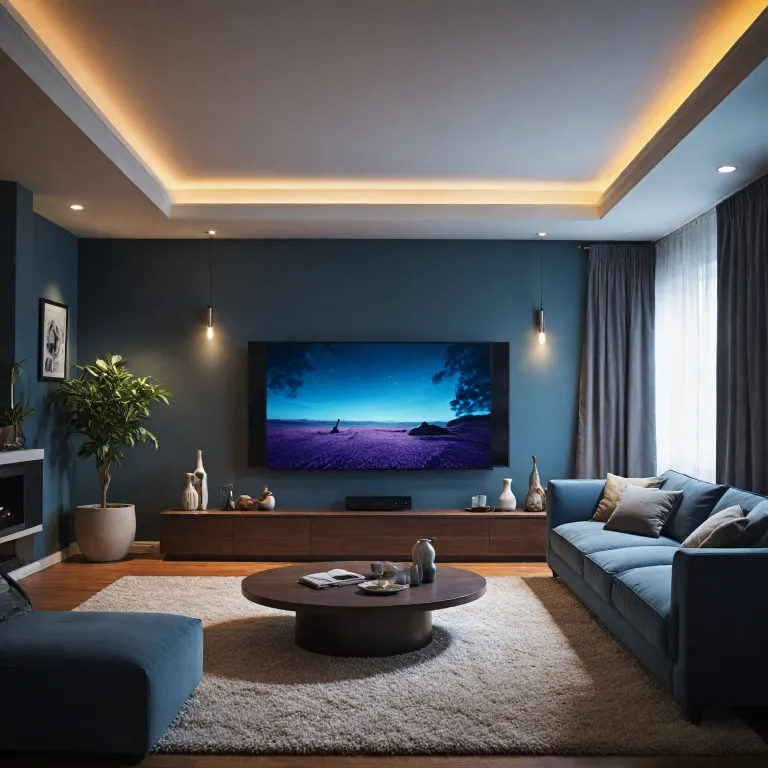

Why a led light controller matters in a home theater
A carefully chosen led light controller can transform a basic home theater into a refined cinematic space. When you coordinate each led light with your projector and audio system, the room feels intentional and immersive rather than improvised. Subtle lighting control also protects image quality by keeping reflections and stray lights away from the screen.
In practice, a modern led controller manages brightness, color, and power for multiple led strips and spotlights around the room. Many light controllers now integrate smart features such as WiFi, Bluetooth, and wireless remote control, which allow you to adjust strip lights and single color wall sconces from your sofa. This level of wireless control is especially valuable when your projector ceiling mount, speakers, and led strips are difficult to reach physically.
For home cinema enthusiasts, the price of a good led light controller is often modest compared with the projector or sound system, yet the impact on comfort is significant. A reliable dimmer controller lets you fade white LED down during trailers, then shift RGB LED strip lights to a subtle color changing scene for the main feature. By combining remote controllers, smart lighting scenes, and precise dimmer functions, you can maintain just enough light for safety without washing out the projected image.
Balancing brightness, color, and contrast for projector performance
The relationship between a led light controller and projector contrast is more delicate than many buyers expect. Even a small amount of uncontrolled light from strip lights or ceiling fixtures can flatten black levels and reduce perceived sharpness. Using a dedicated led dimmer and remote controller helps you fine tune brightness so the screen remains the visual focus.
RGB LED strip lights placed behind the screen or along the floor can provide elegant bias lighting when managed by a capable light controller. With a programmable led controller, you can store scenes that adjust each strip channel separately, keeping single color white LED near the screen while RGB effects stay behind seating. This separation of lighting zones, combined with wireless remote access, prevents bright color changing effects from spilling directly onto the projection surface.
Color temperature also matters, especially when you mix led lights with the projector’s own color balance. A smart controller that supports both warm white LED and cool RGB modes lets you match the ambient lighting to the film’s tone. When you use WiFi or Bluetooth control, you can quickly reduce power to decorative strip light accents during dark scenes, then restore gentle lighting for intermissions without leaving your seat.
Choosing between smart, DMX, and traditional controllers
Home theater owners face a crowded market of led controllers, from simple dimmer units to advanced DMX systems. Traditional infrared remote control dimmers remain affordable in price and work well for a single led strip or a few led lights. However, they can struggle in rooms where the projector, speakers, and strip lights are hidden behind panels or furniture.
Smart led light controller models with WiFi or Bluetooth connectivity solve many of these line of sight issues. Using a smartphone app, you can adjust RGB LED strip lights, white LED downlights, and single color accent fixtures through wireless control, even when equipment is concealed. Some smart light controllers also integrate with voice assistants, allowing hands free changes to lighting scenes while the projector is running.
For more complex installations, DMX light controller systems offer granular control over multiple strip channels and fixtures. Although originally designed for stage lighting, DMX controllers adapt well to large home theaters with several led strips, wall lights, and ceiling coves. When combined with a wireless remote or tablet interface, a DMX led controller can synchronize color changing effects with movie genres, while still allowing a simple dimmer controller mode for everyday TV viewing.
Designing led strip layouts that respect the projected image
Thoughtful placement of led strip lights is essential to avoid degrading projector performance. A led light controller can only compensate so much if strip lights are aimed directly at the screen or reflective surfaces. Position RGB LED strips behind crown molding, under seating, or around steps so the light washes surfaces indirectly.
Many installers use a combination of single color white LED for functional lighting and RGB LED strips for mood, all managed by one or more led controllers. This approach allows you to keep white led strips at a low dimmer setting for safety, while using color changing effects sparingly along side walls. A wireless remote or smartphone app then becomes the central remote controller for switching between bright cleaning modes and subtle movie scenes.
When planning layouts, consider how many strip channels your chosen light controller supports and whether you need expansion later. If you expect to add more led strips behind acoustic panels or under risers, select a led controller with sufficient power handling and modular outputs. Checking the price difference between basic and expandable controllers early can prevent costly rewiring once your home theater lighting concept evolves.
Integrating lighting control with home theater automation
Modern home theaters increasingly link the led light controller with automation hubs and projector control systems. A single macro can lower the projector screen, power on the AV receiver, and dim led lights to a preset level. When your light controller supports WiFi or Bluetooth, this integration becomes easier through open APIs or companion apps.
Some enthusiasts pair smart led controllers with scene based automation, where RGB LED strip lights, white LED downlights, and wall sconces respond to content type. For example, a “movie night” scene might set strip lights behind the screen to a soft single color blue, while a “gaming” scene uses more vivid color changing effects along the side walls. Detailed guidance on enhancing this type of setup with projector choices can be found in resources such as enhancing your home theater experience with NEC projectors, which complement advanced lighting strategies.
Wireless remote options remain important even in automated systems, because manual overrides are often needed during viewing. A handheld remote control or wall mounted remote controller lets guests adjust led strips without navigating complex apps. When evaluating price, consider the value of free delivery offers from retailers like Amazon, but also verify that the led controllers support your preferred automation platform and have adequate power ratings.
Practical buying checklist for led light controllers and accessories
Selecting the right led light controller for a home theater requires more than comparing price tags. Start by listing every led strip, single color fixture, and accent light you plan to install, then total their power requirements. Your chosen led controller or multiple led controllers must comfortably exceed this power draw to ensure reliability and safety.
Next, decide how you prefer to control your lighting day to day, balancing remote control convenience with long term flexibility. If you value simplicity, a basic dimmer controller with an infrared wireless remote may suffice for a single led strip behind the screen. For more advanced users, smart WiFi or Bluetooth controllers that manage RGB LED, white LED, and strip channels separately will provide richer color changing scenes and better integration with other devices.
Finally, evaluate where you buy your led lights, led strips, and controllers, paying attention to warranties and support. Large platforms such as Amazon often highlight free delivery and bundle offers on strip lights, led dimmers, and remote controllers, but professional installers may offer better guidance. By aligning controller features, wireless capabilities, and lighting layouts with your projector’s needs, you create a cohesive environment where every led light enhances rather than competes with the cinematic experience.
Key statistics about led lighting and home theaters
- Global adoption of led lights in residential spaces has surpassed traditional incandescent and halogen sources, driven by lower power consumption and longer lifespan.
- Home theater owners who integrate dimmer controller systems report significantly higher satisfaction with perceived contrast and comfort during extended viewing sessions.
- Smart led controller and wireless remote solutions now represent a substantial share of new residential lighting installations, reflecting demand for app based control.
- RGB LED strip lights and single color white LED accents are among the most common upgrades in dedicated media rooms and projector based living spaces.
Common questions about led light controllers in home theaters
How bright should led strip lights be in a projector room ?
For most home theaters, led strip lights should remain at low to moderate brightness to avoid washing out the projected image. Use a led dimmer or smart controller to keep indirect lighting between roughly 10 and 30 percent output during films. Reserve higher brightness levels for cleaning, maintenance, or casual TV viewing when contrast is less critical.
Is a smart led light controller worth the higher price ?
A smart led controller with WiFi or Bluetooth is usually worthwhile if you have multiple led strips, zones, or automation plans. App based control, wireless remote options, and scene storage make it easier to adapt lighting to different content types. For simple single color installations, a basic dimmer controller may be sufficient, but expansion often justifies the smarter option.
Can RGB LED strip lights ruin projector image quality ?
RGB LED strip lights do not inherently ruin image quality, but poor placement and excessive brightness can. Position strip lights so they wash walls or furniture indirectly, and use a light controller to limit brightness during dark scenes. When managed correctly, color changing effects can enhance ambiance without spilling distracting light onto the screen.
What is the role of DMX in a residential home theater ?
DMX light controller systems provide professional grade control over many fixtures and strip channels, which can benefit large or complex home theaters. They allow precise programming of led lights, including RGB LED strips, single color accents, and moving heads if desired. For smaller rooms, simpler smart controllers may offer enough flexibility without the learning curve of DMX.
Should I buy led controllers and strip lights from Amazon or a specialist ?
Buying from Amazon can be attractive due to competitive price points and free delivery on many led controllers and strip lights. However, specialist retailers or installers may provide better guidance on power sizing, compatibility, and long term reliability. Ideally, compare options from both sources and prioritize clear specifications, robust warranties, and responsive technical support.