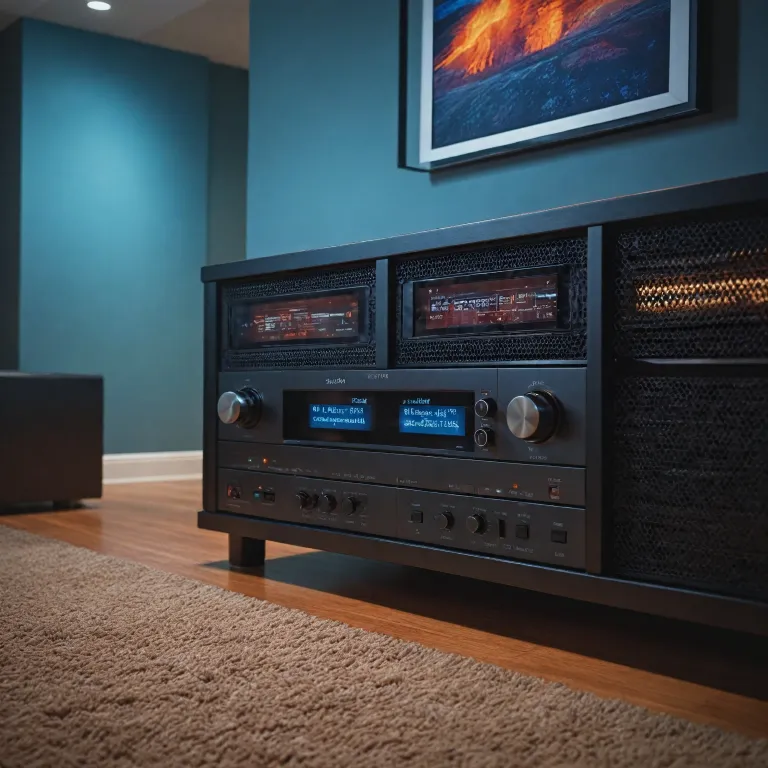

Why avr temperature matters in a serious home theater
In a dedicated home theater, audio immersion depends on more than speakers. When avr temperature rises beyond its intended operating temperature, the amplifier and receiver circuits face real stress. Stable temperature in degrees Celsius protects every piece of audio equipment from premature wear.
An AV receiver, often called an amplifier avr by enthusiasts, concentrates power supply, processing, and amps in one compact chassis. This dense equipment layout generates significant heat that accumulates inside cabinet spaces, especially when ventilation is poor and cooling fans are absent. Over time, that trapped heat will lead to higher avr temperature, audible distortion, and even unexpected shutdowns during a film.
Many home cinema owners focus on projector brightness and screen size but ignore temperature concerns around the receiver. Yet the center of the system is the avr, which routes sound to speakers, powers the center channel, and manages audio data streams from multiple sources. Treating avr temperature as a top design parameter is as important as choosing the right projector or screen material.
Modern receivers, including popular Denon models, integrate a temperature sensor to monitor internal conditions. This temperature sensor tracks operating temperature in degrees and can trigger protective modes when the amplifier or power supply overheats. Understanding how that sensor behaves helps you interpret warning lights, fan noise, and shutdown patterns before they damage your audio equipment.
Whether you use a single receiver or multiple receivers for separate zones, the same physics applies. Concentrated amps, limited airflow, and high power output always raise avr temperature under load. Managing that heat intelligently keeps your home theater reliable, quiet, and ready for long movie marathons.
How heat builds up inside cabinet installations
Most home theater owners prefer to hide their receiver and amplifier avr inside cabinet furniture. This looks elegant, but it often traps heat around the audio equipment and raises avr temperature far beyond the intended operating temperature. The combination of limited ventilation and high power output from the amps creates a slow, invisible temperature climb.
When a receiver sits inside cabinet compartments with only a small rear opening, warm air cannot escape efficiently. The power supply, amplifier stages, and digital audio processing chips all radiate heat into the same confined volume. Without active cooling fans or a well designed ventilation path, the temperature in degrees can exceed safe limits during a single long film.
Denon and other brands design their receivers to tolerate elevated avr temperature for short periods. However, continuous exposure to high heat will lead to degraded capacitors, noisy fans, and intermittent sound dropouts. Over years, this thermal stress shortens the lifespan of the receiver and other connected equipment such as powered speakers or external amps.
Careful placement of the center channel and other speakers can also influence airflow around the receiver. When a large center speaker blocks the front vents, the sound may improve slightly while the temperature concerns worsen dramatically. A better approach is to leave several centimetres of clearance above and around the receiver to allow convection cooling.
For enthusiasts planning a full system, it is wise to evaluate cabinet design alongside projector choices and streaming hardware. When researching topics like affordable streaming encoder hardware, consider how additional equipment will add heat inside cabinet spaces. Every extra device increases avr temperature and makes robust ventilation and cooling fans even more critical.
Measuring avr temperature with sensors and real data
Managing avr temperature effectively starts with accurate data rather than guesswork. Many modern receivers, including several Denon models, expose internal temperature data through on screen menus or service modes. These readings, expressed in degrees Celsius, give a direct view of operating temperature under different listening conditions.
Some enthusiasts add an external temperature sensor to monitor the air just above the amplifier avr chassis. Placing this temperature sensor near the top vents reveals how quickly heat accumulates when the receiver drives speakers at high power. Comparing idle and peak readings helps you understand how cabinet design and ventilation influence avr temperature.
When you push the system with action films or concert soundtracks, the amps inside the receiver draw more current from the power supply. This extra demand increases heat output, which will lead to higher internal temperature and potentially trigger protective shutdowns. Tracking these patterns over time creates a valuable data set for optimizing cooling strategies.
Owners who run multiple receivers or external amps for large speaker arrays should measure each unit separately. Differences in cabinet placement, airflow, and load can produce surprisingly different temperature concerns even with similar audio equipment. By logging data during typical viewing sessions, you can identify which receiver or amplifier needs better cooling fans or improved ventilation.
When evaluating new home theater components, it is useful to read detailed reviews that mention thermal behavior alongside sound quality. Resources that analyze projector performance, such as guides to home theater projectors with Dolby audio, often discuss how audio and video equipment share rack space. Integrating this information with your own avr temperature measurements leads to a more balanced and reliable system design.
Safe operating temperature ranges for receivers and amplifiers
Every receiver and amplifier avr is designed for a specific operating temperature range. Manufacturers typically expect internal components to run warm, but not so hot that the power supply or amps face continuous thermal stress. Understanding these ranges helps you interpret avr temperature readings in degrees and respond before damage occurs.
Most consumer receivers, including many Denon units, are comfortable when the top cover feels warm but not painful to touch. If the chassis becomes too hot to rest your hand on for several seconds, the internal temperature concerns are likely approaching the upper design limit. In such cases, the temperature sensor may already be close to triggering a protective shutdown to safeguard the audio equipment.
Running speakers at very high power for extended periods raises avr temperature significantly. Large rooms, inefficient speakers, or demanding soundtracks can push the amps and power supply toward their maximum thermal capacity. This sustained heat will lead to accelerated aging of capacitors, solder joints, and plastic components inside cabinet spaces.
Receivers often include automatic protection that reduces sound output or switches off entirely when internal temperature exceeds a threshold. While this behavior can be frustrating during a film, it indicates that the temperature sensor and safety circuits are working correctly. Ignoring these warnings and forcing the system back on without improving ventilation or cooling fans risks permanent damage.
For home theater enthusiasts, the goal is to keep avr temperature comfortably below the critical point even during intense sessions. Achieving this balance requires thoughtful placement of receivers, careful management of speakers and subwoofers, and attention to airflow paths. When combined with reliable projectors and well chosen screens, a thermally stable audio system forms the backbone of a long lasting cinema room.
Practical cooling and ventilation strategies for home theaters
Effective cooling and ventilation are the most direct ways to control avr temperature. Start by ensuring that the receiver and amplifier avr have at least several centimetres of clearance on all sides, especially above the top vents. This simple step allows warm air to rise naturally and reduces temperature in degrees without extra equipment.
When receivers sit inside cabinet furniture, adding discreet cooling fans can transform thermal performance. Low noise fans that pull cool air in from the front and exhaust hot air out the rear will lead to a stable operating temperature even during demanding films. Positioning these cooling fans near the power supply and amps helps remove heat where it is generated most intensely.
Some enthusiasts install thermostatically controlled fans that respond to a temperature sensor placed near the receiver. When avr temperature rises beyond a chosen threshold, the fans activate automatically and protect the audio equipment from excessive heat. This approach balances noise, efficiency, and reliability in a way that suits quiet home theater environments.
Routing cables and arranging speakers thoughtfully can also improve airflow around the receiver. Avoid stacking other equipment directly on top of the amplifier avr, because this traps heat and increases temperature concerns inside cabinet spaces. Instead, place high power devices such as gaming consoles or streaming boxes on separate shelves with their own ventilation paths.
When planning a full system, consider how projectors, streaming encoders, and receivers share rack space and electrical circuits. Guides that explain technical topics like ISO versus ANSI lumens for projectors can complement your understanding of thermal design by highlighting total system demands. A holistic view of avr temperature, airflow, and equipment placement ensures that both sound and image remain stable throughout long viewing sessions.
Balancing performance, safety, and user experience in home theaters
Optimizing avr temperature is ultimately about balancing performance, safety, and comfort. Pushing a Denon or similar receiver to its limits can deliver thrilling sound, but sustained high power output raises operating temperature and long term risks. Thoughtful management of heat allows you to enjoy reference level audio without compromising the lifespan of your audio equipment.
From a user experience perspective, quiet cooling fans and well designed ventilation are preferable to frequent thermal shutdowns. When the temperature sensor inside the amplifier avr remains within a safe range, the receiver can deliver consistent sound to all speakers, including the center channel that anchors dialogue. This stability will lead to fewer interruptions and a more cinematic atmosphere for every viewer.
Home theater owners should also pay attention to the small details that influence thermal behavior. Avoid placing receivers near direct sunlight or other heat sources, and keep vents free from dust that restricts airflow and increases avr temperature in degrees. Regular checks of cabinet spaces, cable routing, and fan operation help prevent subtle temperature concerns from becoming serious problems.
As you research equipment, it is easy to skip content that seems unrelated to picture quality or surround formats. However, understanding how receivers, amps, and power supply design interact with heat is as important as reading any privacy policy or warranty document. These technical aspects define how reliably your system will perform over many years of use.
By treating avr temperature as a core design parameter rather than an afterthought, you create a home theater that sounds powerful yet runs safely. Careful integration of receivers, speakers, projectors, and cabinet furniture ensures that heat is managed as effectively as audio and video signals. The result is a refined, resilient cinema space where technology quietly supports the storytelling on screen.
Key statistics on receiver heat and home theater reliability
- Thermal stress is among the leading causes of premature failure in consumer audio equipment, especially receivers and amplifiers operating in enclosed furniture.
- Even a modest reduction of several degrees Celsius in avr temperature can significantly extend the service life of capacitors and power supply components.
- Receivers driving multiple speakers at high power in poorly ventilated cabinets can reach unsafe operating temperature levels in less than one hour of continuous playback.
- Adding active cooling fans and improving ventilation around audio equipment often reduces internal temperature enough to prevent automatic thermal shutdowns during long films.
- Systems that combine projectors, receivers, and external amps in the same rack require careful airflow planning to avoid cumulative heat buildup that degrades performance.
Common questions about avr temperature in home theaters
How hot is too hot for an AV receiver in a cabinet ?
An AV receiver is running too hot when the top panel becomes uncomfortable to touch for more than a few seconds and the unit begins to emit a strong heat plume from its vents. In a cabinet, this usually indicates that avr temperature has climbed close to the internal safety threshold monitored by the temperature sensor. At that point, you should improve ventilation or add cooling fans before the receiver triggers protective shutdowns.
Do cooling fans really help reduce avr temperature ?
Well positioned cooling fans can significantly reduce avr temperature by moving hot air away from the receiver and drawing in cooler room air. When combined with adequate clearance around the amplifier avr and thoughtful cable management, fans lower operating temperature in degrees and relieve stress on the power supply and amps. This relatively simple upgrade often prevents temperature concerns that would otherwise shorten the lifespan of audio equipment.
Can high avr temperature damage speakers as well as receivers ?
High avr temperature primarily affects the receiver’s internal components, but it can indirectly impact speakers. When amps and the power supply overheat, they may clip or distort, sending harsh signals that stress speaker drivers at high power levels. Maintaining safe operating temperature protects both receivers and speakers from these thermal and electrical side effects.
Is it safe to stack other devices on top of a receiver ?
Stacking devices on top of a receiver is generally unsafe because it blocks ventilation paths and traps heat around the amplifier avr. This configuration raises avr temperature, forces the temperature sensor to operate near its limit, and increases the likelihood of thermal shutdowns. Each piece of equipment should have its own space with clear airflow to keep operating temperature within the intended range.
How can I monitor avr temperature without built in readouts ?
If your receiver lacks built in temperature data, you can place an external temperature sensor or digital thermometer near the top vents. Monitoring the air temperature in degrees just above the chassis gives a reasonable indication of avr temperature trends during typical use. Combining these readings with attention to fan noise, cabinet warmth, and any shutdown events provides a practical picture of your system’s thermal health.