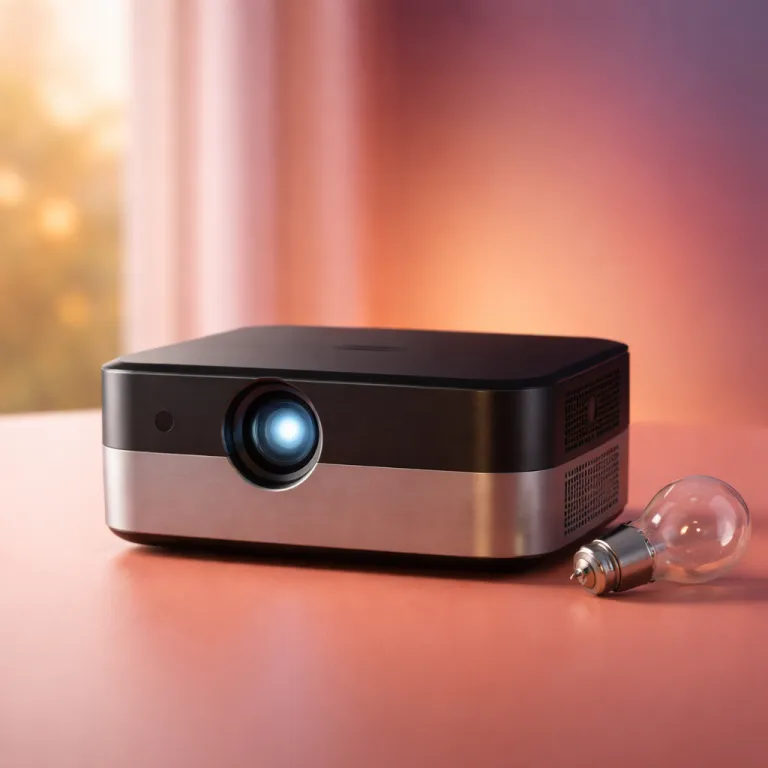
What the EU projector lamp ban really changes for home cinema
The so‑called EU projector lamp ban 2026 is shorthand for Regulation (EU) 2023/2049, which amends the RoHS Directive rules on hazardous substances in electronic products. This updated regulation tightens the exemption for projector lamps that contain mercury, treating them as mercury products subject to strict limits on hazardous materials and other hazardous substances. For home cinema buyers, that means most lamp based projectors using high pressure mercury bulbs will face a hard stop on new lamp sales inside the European Union once the exemption periods expire.
Under Regulation (EU) 2023/2049, the main exemption for high pressure mercury vapor lamps used in projectors (RoHS Annex III, entry 4(f)) is scheduled to expire between 2026 and 2027 depending on the product category, with no broad renewal expected for mainstream consumer home cinema models. These exemptions mainly cover very specific professional projection use cases and not typical living room projectors. As the expiry dates arrive, projector lamps with mercury will no longer be placed on the products market in Europe, even though existing users can continue to operate their projectors as long as their current bulbs last. The RoHS Directive framework is designed so that lamps will phase out gradually, but the approaching deadlines are already steering brands away from any new lamp based projector lines and toward solid state light sources.
For buyers outside Europe, this regulatory shift still matters because global supply chains rarely build separate versions of products mercury free only for one region. When the EU tightens a directive, projector manufacturers usually redesign products worldwide, which is why laser projectors and other laser based projectors are suddenly everywhere in mid range price lists. A typical mid tier lamp based home theater projector might cost around €900–€1,200 with a 2,000–3,000 hour bulb, while an equivalent laser projector often sits around €1,500–€2,000 but offers 15,000–30,000 hours of light source life according to manufacturer datasheets and industry reviews. If you are comparing a traditional projector lamp model with a newer laser projector, the EU rules are quietly shaping which spare parts and replacement lamps will still be available in three to five years.
Home cinema owners who already rely on lamps existing in their current machines should pay attention to how long brands promise to supply spare bulbs and other spare parts. Epson, for example, states in its support policies that it will continue to provide replacement lamps and key components for several years after a projector model is discontinued, while BenQ and Optoma typically quote five to seven years of spare parts availability in their service documentation. Some manufacturers simply state that they will continue to supply spare parts and replacement lamps for a defined support period, but the tighter RoHS Directive makes those timelines more than just marketing copy. Once the exemption periods end, no new mercury products can enter the EU products market, so stocking up on a projector lamp or two may be smart buying advice for heavy users who want to keep a lamp based projector running.
For a deeper technical background on how projector bulbs affect brightness, color and running costs, see this detailed guide on the importance of projector bulbs in home theaters. That kind of context helps you weigh whether a discounted lamp based projector is worth the risk in a world moving toward laser projectors. It also clarifies why the EU treats projector lamps as products containing hazardous substances rather than just another interchangeable spare part, and why the February 2023 update to the RoHS rules triggered so much news coverage in the projection community.
Winners and losers in the shift from lamp based to laser projectors
As the EU projector lamp ban 2026 approaches, brands that invested early in laser projectors are in a stronger position than those still reliant on lamp based lines. Epson, for example, has pushed hard into laser based projectors like the EH LS12000B, which replaces the traditional projector lamp with a solid state light source rated for around 20,000 hours. That kind of lifespan means existing users are far less dependent on replacement lamps or other spare parts tied to hazardous materials rules, and it reduces the risk that a projector will become unusable simply because lamps will no longer be manufactured.
By contrast, older Epson models and many competing projectors that still use mercury bulbs will feel the squeeze as lamps existing in warehouses are sold through. Once those stocks are gone, replacement lamps that rely on products mercury content cannot be newly imported into the EU under the tightened RoHS Directive. Manufacturers say they will continue to support these products, but in practice that support depends on how much inventory of projector lamps they can legally place on the products market before the final directive deadlines. For example, a typical original lamp module might cost €150–€250 and deliver 2,000–4,000 hours at full power according to vendor specifications, so running out of stock has a direct impact on long term ownership costs and on whether a lamp based projector remains a viable option.
Laser projectors are not just a regulatory workaround; they also change real world projection quality in ways first time buyers will notice. A laser based projector typically offers more stable brightness over time, faster on off behavior and better color consistency than a comparable lamp based projector using a single mercury bulb. Many lamp models lose 25–35% of their initial lumen output within the first 1,000 hours, while a good laser design holds most of its brightness for much longer according to independent test data. For a living room setup where you want to watch sports with some ambient light, that stability can matter more than the peak lumen number on the box and can make a mid range laser projector feel brighter in everyday use.
There is a catch though, and it is not small. Laser projectors usually cost more upfront than a comparable projector lamp model, so the EU rules are effectively nudging budget shoppers toward either discounted lamp based projectors or entry level laser based projectors with fewer features. If you are weighing those trade offs, remember that products containing mercury carry disposal responsibilities and may face future restrictions on supply spare parts, while laser based products avoid those specific hazardous substances concerns. In many EU countries, spent mercury lamps must be taken to designated recycling points, whereas a sealed laser light engine is treated more like standard electronic waste at end of life, even though the overall projector still falls under WEEE and related regulation.
Screen choice also becomes more important as you move from a bright lamp based projector to a quieter, often slightly lower peak brightness laser projector tuned for accuracy. A typical mid range lamp projector might advertise 3,000–3,500 lumens, while a similarly priced laser model often lists 2,500–3,000 lumens but maintains that output more consistently over time. An ambient light rejecting screen can let a laser based projector punch above its lumen rating in a real room, which is why guides to top home theater projector screens now routinely assume laser light sources. Matching the right screen to your projector helps ensure the EU driven shift away from mercury products feels like an upgrade, not a compromise, even if the raw lumen figures on paper look similar.
How long lamp projectors will remain viable and when to buy one
For many readers, the most practical question around the EU projector lamp ban 2026 is simple: should you still buy a lamp based projector today? The answer depends on how much you watch, how long you plan to keep the projector and how easily you can secure at least one replacement lamp. If you find a heavily discounted lamp based projector from a major brand with two genuine replacement lamps included, that bundle can still be smart buying advice for a secondary room or occasional movie nights where long term availability of projector lamps is less critical.
To make the trade offs clearer, here is a quick comparison of typical lamp based versus laser based home cinema projectors in the mid range:
- Upfront price: Lamp €700–€1,200; Laser €1,200–€2,000
- Light source lifetime: Lamp 2,000–5,000 hours (up to 10,000 in Eco); Laser 15,000–30,000 hours
- Typical brightness: Lamp 2,500–3,500 lumens; Laser 2,500–3,000 lumens but more stable over time
- Running costs: Lamp replacements €100–€250 each; Laser usually no light source replacement
- Disposal rules: Lamp contains mercury and must be recycled as hazardous waste; Laser has no mercury but still counts as electronic waste
Existing users of lamp based projectors should start by checking whether their model uses projector lamps that are still in active production rather than old stock. If the manufacturer confirms that lamps will remain available as spare parts for several more years, you can probably continue using your current projector without panic, especially if you buy one extra projector lamp now. Where the EU regulation bites hardest is with niche models whose bulbs were already rare, because those products mercury based designs may not justify a new production run under the stricter directive and the cost of complying with updated RoHS testing.
Outside Europe, some retailers will continue to sell mercury products for longer, but global supply chains mean that once a factory line for projector lamps shuts down, it rarely restarts. That is why the EU projector lamp rules have implications for buyers in North America and Asia, even if their local rules on hazardous materials and hazardous substances lag behind the RoHS Directive. When production shifts fully to laser based projectors, lamp based models become a shrinking island supported only by whatever replacement lamps remain in warehouses, and news from major brands about end of life dates becomes essential reading for anyone relying on a lamp based projector.
If you do commit to a lamp based projector in this transition period, learn how to handle and change the lamp safely. A step by step guide to effectively replacing your projector lamp can extend the useful life of your projector and reduce the risk of damaging a scarce bulb. Treat those bulbs as finite resources, because under the EU projector lamp ban 2026 they effectively are, and manufacturers will continue to prioritize newer laser based projectors once the last exemptions expire.
For many first time home cinema builders, the simplest path is to treat the EU regulation as a tiebreaker that pushes you toward laser projectors when prices are close. A modern laser based projector eliminates worries about lamps existing only in dwindling stockrooms and about whether manufacturers will continue to supply spare bulbs after the final exemption dates. In the end, the best projector for your room is the one that still looks great on the last row on movie night, not just the one that looked cheap when lamps were everywhere and the RoHS Directive allowed generous exemptions for mercury based projection products.