

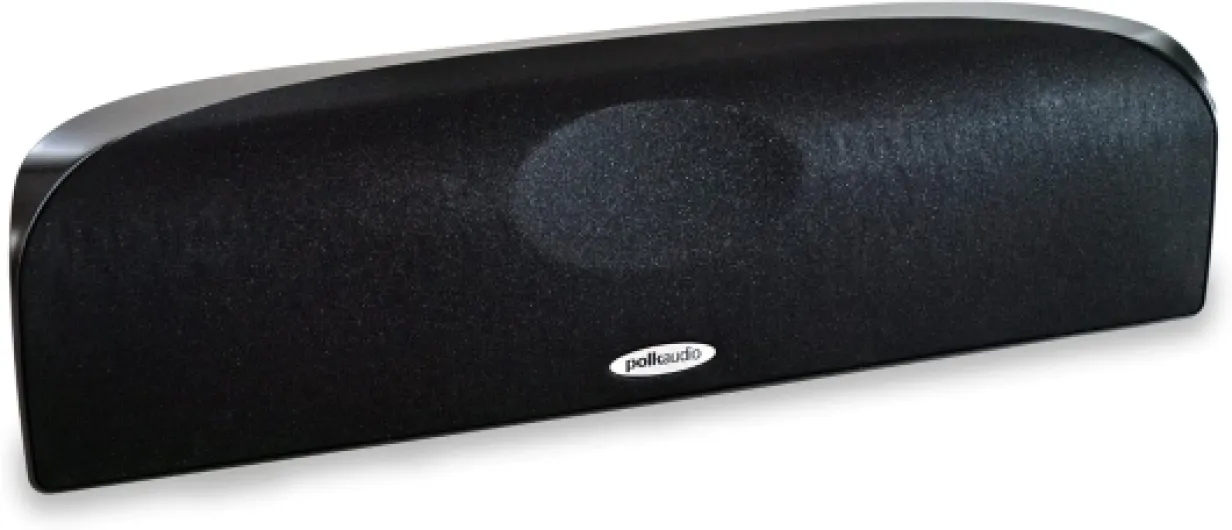
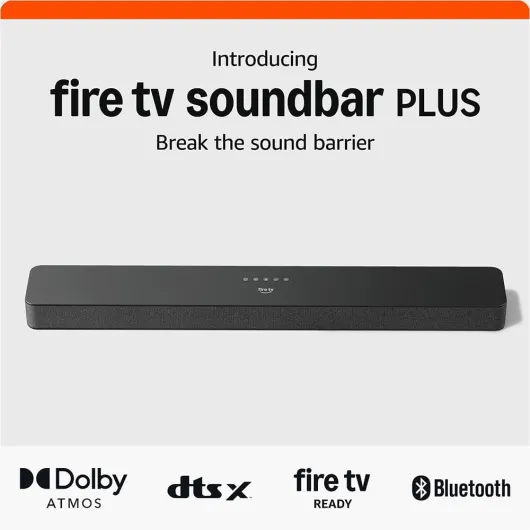
Understanding the role of the center channel speaker
The Heart of Movie Dialogue and Clarity
When you set up a home theater projector system, the center channel speaker quickly becomes the unsung hero of your audio experience. While tower speakers and surround sound systems add depth and immersion, the center channel is responsible for delivering clear dialogue and anchoring the sound to the screen. In fact, most of the spoken words, main vocals, and on-screen action cues are routed through this single speaker. If you’ve ever struggled to hear what characters are saying over background music or effects, it’s often a sign that your center speaker isn’t up to the task.
Why the Center Channel Matters
Think of the center channel as the bridge between your projector’s visuals and your ears. It ensures that voices and key audio cues come from the right place, matching the actors’ mouths on screen. This is especially important in living rooms or dedicated theater rooms where the viewing area is wide. A good center speaker will spread sound evenly, so everyone gets the best view and audio, not just those sitting directly in front.
- Dialogue clarity: The center channel is tuned for speech, making it easier to follow conversations even during action-packed scenes.
- Sound anchoring: It keeps audio focused on the screen, preventing voices from drifting to the sides.
- System balance: A high quality center balances the overall sound, working with your left, right, and surround speakers for a seamless experience.
Many expert advice sources recommend prioritizing the center speaker when building your system. Features like three tweeter arrays, as found in some SVS Ultra models, can expand the soundstage and improve clarity. Matching your center with your other speakers and room acoustics is also crucial, which we’ll cover in more detail later. For those looking to further enhance their audio environment, consider improving your home theater with acoustic panels to reduce echoes and improve sound center focus.
Ultimately, investing in the best center channel speaker you can afford will pay off every time you click play. Whether you’re watching movies, sports, or streaming shows, a good center speaker ensures you never miss a word.
Key features to look for in a great center channel speaker
What Makes a Center Channel Speaker Stand Out?
When searching for a good center channel speaker, it’s important to focus on features that directly impact your home theater experience. The center speaker is responsible for most dialogue and on-screen action, so clarity and balance are essential. Here’s some expert advice on what to look for:
- Clarity of Dialogue: The best center channel speakers reproduce voices with precision, making every word easy to understand. Look for models with a dedicated tweeter and midrange drivers designed for vocal clarity.
- Speaker Design: Horizontal designs are common for centers, but pay attention to the number and arrangement of drivers. Some high quality options, like the SVS Ultra, use a three tweeter layout for a wider soundstage.
- Power Handling: Make sure your center can handle the output from your AV receiver or amplifier, such as a Denon Crown. This ensures consistent performance at both low and high volumes.
- Frequency Response: A good center speaker should cover a broad frequency range, from deep lows to crisp highs, to handle everything from explosions to whispers.
- Build Quality: Durable materials and solid construction reduce unwanted vibrations and distortion, keeping your audio clean and immersive.
- Compatibility: Match your center with your other audio speakers and tower speakers for a seamless surround sound system. This helps maintain tonal consistency across your theater.
- Size and Fit: Consider the dimensions of your living room or theater room. The speaker should fit comfortably below or above your projector screen without blocking the view.
Extra Tips for Choosing the Right Center
Don’t forget about placement and support. The right speaker stands can make a big difference in sound center alignment and overall performance. For more advice on this, check out our guide on choosing the right speaker stands for surround sound in your home theater.
Ultimately, investing in a high quality center channel speaker will expand your audio experience and bring out the best in your home theater system. Take your time to compare centers, read expert reviews, and listen to different models if possible. Your ears—and your movie nights—will thank you.
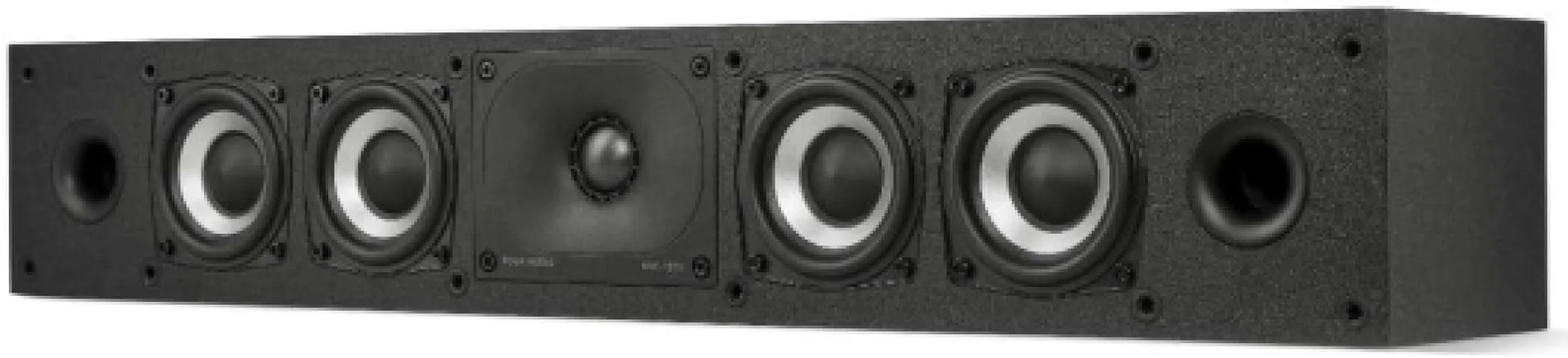
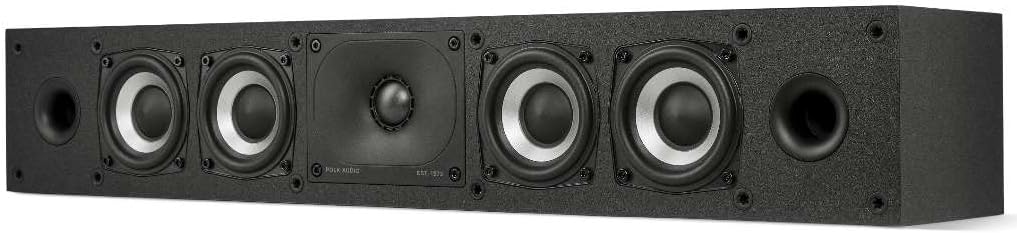
- + Hi-Res Audio Certified
- + Dolby Atmos & DTS:X Compatible
- + 1" Terylene Tweeter for clear highs
- + Four 3" Dynamically Balanced Woofers for rich bass
- + Wall-Mountable design

Matching your center channel speaker with your projector and room
Ensuring Compatibility with Your Projector and Room
Choosing a good center channel speaker isn’t just about picking the most expensive model. It’s about making sure your center speaker works in harmony with your projector, your audio system, and the unique features of your living room or theater space. Here’s some expert advice to help you get the best sound center experience possible.
- Speaker and Projector Synergy: Your center channel speaker should match the quality and capabilities of your projector setup. If you’re running a high-resolution projector, you’ll want audio speakers that can deliver clear dialogue and detailed sound to match the immersive visuals. This balance is crucial for a true surround sound experience.
- Room Size and Acoustics: The size and shape of your room will impact how sound travels. A large theater room may benefit from a powerful center channel like the SVS Ultra, while a smaller living room might need a more compact speaker. Consider the placement of your projector screen and seating to ensure the center speaker’s sound reaches every listener.
- Speaker Matching: For the best audio performance, your center channel should be timbre-matched to your front left and right speakers. This means using speakers from the same brand or series, or at least with similar tweeter designs, so dialogue and effects move smoothly across the soundstage. Tower speakers up front? Look for a center with similar drivers.
- System Integration: Make sure your AV receiver or amplifier (such as Denon or Crown models) can properly power your center channel. Check the speaker’s impedance and sensitivity ratings to avoid mismatches that could affect sound quality.
- Connectivity and Expansion: If you plan to expand your system or use HDMI switches, ensure your audio components are compatible. For more on this, click here for expert advice on HDMI switches and compatibility.
Matching your center channel speaker with your projector and room isn’t just about specs. It’s about creating a seamless, high quality audio-visual experience. Take the time to view your options, compare features like three tweeter designs or best center speaker models, and don’t hesitate to seek expert advice if you’re unsure. The right choice will make dialogue crisp, sound effects immersive, and every movie night unforgettable.
Placement tips for optimal sound
Finding the Sweet Spot for Your Center Channel
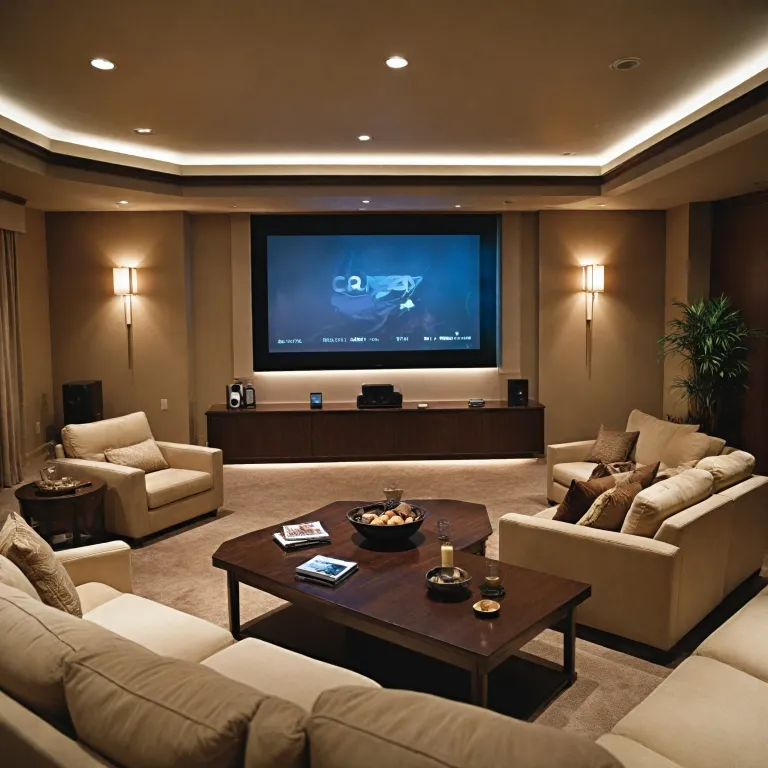
Getting the most out of your center channel speaker is all about placement. The center is responsible for clear dialogue and anchoring sound to the screen, so where you put it in your theater or living room makes a big difference. Here’s some expert advice to help you get the best sound:
- Align with the screen: The center channel should be as close as possible to ear level when you’re seated. Ideally, place it directly above or below your projector screen, centered horizontally. This keeps dialogue and sound effects coming from where the action happens.
- Avoid obstructions: Don’t block the speaker with furniture or décor. Obstructions can muffle audio and reduce clarity, especially for speakers with three tweeter arrays or high quality drivers.
- Angle for accuracy: If your center speaker is below ear level, angle it up toward your main listening position. This helps direct sound to your ears, improving the clarity of dialogue and effects.
- Distance from walls: Leave a bit of space behind the speaker. Placing it too close to a wall can muddy the sound, especially with powerful models like the SVS Ultra or Denon Crown series.
- Integrate with your system: Make sure your center blends well with your tower speakers and surround sound setup. Matching timbre and volume across your audio speakers ensures a seamless sound field.
Common Placement Mistakes to Avoid
- Stacking devices: Don’t place your center speaker inside a closed cabinet or stack electronics on top. This can cause overheating and distort the sound center.
- Ignoring room acoustics: Every room is different. Large, open spaces or lots of hard surfaces can cause echoes. Consider adding rugs or curtains to help absorb excess sound.
- Neglecting speaker isolation: Use speaker stands or isolation pads for your center speakers. This reduces vibrations and delivers cleaner audio, especially in a home theater system with high quality channel speakers.
With the right placement, your center channel will deliver crisp, clear dialogue and a more immersive theater experience. Take the time to experiment and listen from your main view position. Small adjustments can make a big difference in your system’s performance.
Popular center channel speaker options for home theaters
Top Picks for Center Channel Speakers in Home Theaters
Choosing the best center channel speaker can feel overwhelming, especially with so many options on the market. A good center speaker is crucial for clear dialogue and a balanced sound center in your home theater system. Here are some popular choices that consistently receive expert advice and high ratings for performance and value:- SVS Ultra Center: Known for its three tweeter design and robust build, the SVS Ultra delivers crisp dialogue and powerful audio. It’s a favorite among theater enthusiasts who want high quality sound and a speaker that can keep up with tower speakers and surround sound systems.
- Klipsch Reference Series: These centers are praised for their dynamic sound and efficient tweeter technology. They’re a good match for both small living rooms and larger theater rooms, offering clear dialogue even at low volumes.
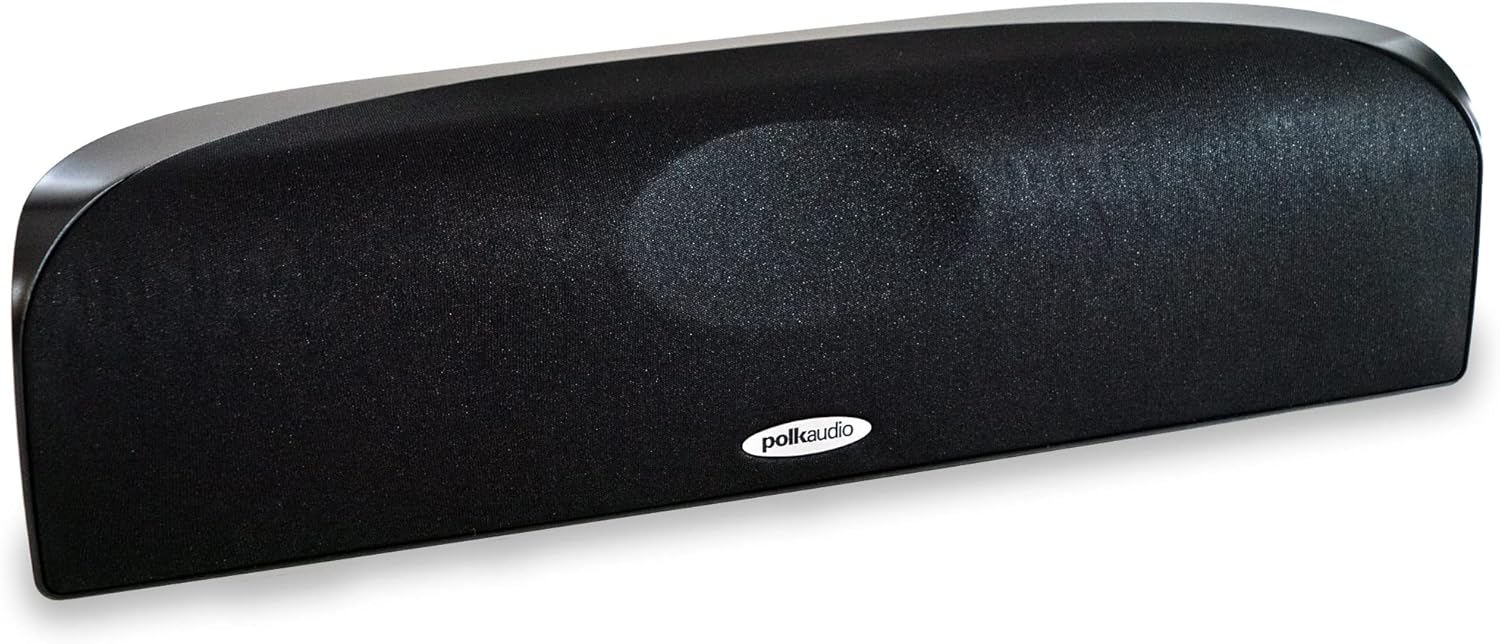
- Polk Audio Signature Series: Polk’s center speakers are well-regarded for their balanced sound and easy integration with other audio speakers. They’re a solid choice if you want a good center channel that won’t overpower your space.
- Definitive Technology ProCenter: Compact yet powerful, these speakers center the audio and provide excellent clarity for dialogue-heavy content. They’re ideal for setups where space is limited but sound quality can’t be compromised.
- Yamaha NS-C210: This model is a budget-friendly option that still delivers clear sound and good performance. It’s a reliable pick for those just starting to expand their home theater system.
What Makes These Centers Stand Out?
- Dialogue Clarity: All these channel speakers are designed to make voices stand out, so you don’t miss a word during movies or shows.
- Build Quality: High quality materials and expert engineering ensure these speakers last and perform well over time.
- System Compatibility: Whether you use Denon, Crown, or other receivers, these centers integrate smoothly with most audio setups.
- Room Adaptability: From compact living rooms to dedicated theater rooms, these speakers time and again prove their flexibility.
Troubleshooting common audio issues
Solving Common Center Channel Audio Problems
When setting up your home theater projector system, even the best center channel speakers can run into audio issues. Here are some frequent problems and expert advice on how to address them for a high quality sound center experience.- Muffled Dialogue: If voices sound unclear, first check your speaker’s positioning. The center channel should be at ear level and aimed toward your main seating area. Make sure nothing blocks the speaker, as obstructions can absorb or reflect sound, reducing clarity.
- Volume Imbalance: Sometimes the center speaker is too quiet or too loud compared to your tower speakers or surround sound channels. Use your AV receiver’s speaker calibration tool to balance levels. Many systems offer test tones to help you set the right volume for each speaker, ensuring dialogue stands out without overpowering effects.
- Phase Issues: If dialogue sounds hollow or seems to come from the wrong direction, double-check your wiring. Incorrect polarity (wires reversed) can cause phase problems, making audio speakers sound odd or diffuse.
- Distortion at High Volumes: Distortion can result from pushing your center channel speaker beyond its limits. Consider upgrading to a model with higher power handling, like the SVS Ultra center or a three tweeter design, especially for larger rooms or when paired with powerful amplifiers such as Denon Crown.
- Room Acoustics: Hard surfaces and open living rooms can create echoes or muddiness. Adding soft furnishings or acoustic panels can help absorb unwanted reflections, improving the clarity of your center channel and overall sound center.
Quick Troubleshooting Table
| Issue | Possible Cause | Expert Advice |
|---|---|---|
| Muffled dialogue | Poor placement, blocked speaker | Reposition center speaker, clear obstructions |
| Volume imbalance | Improper calibration | Use receiver’s setup tool to balance speakers |
| Distortion | Speaker overload | Lower volume or upgrade to a good center with higher power handling |
| Echoes/muddiness | Room acoustics | Add acoustic treatments, adjust speaker placement |
| Dialogue not centered | Phase or wiring issue | Check speaker wiring and polarity |