

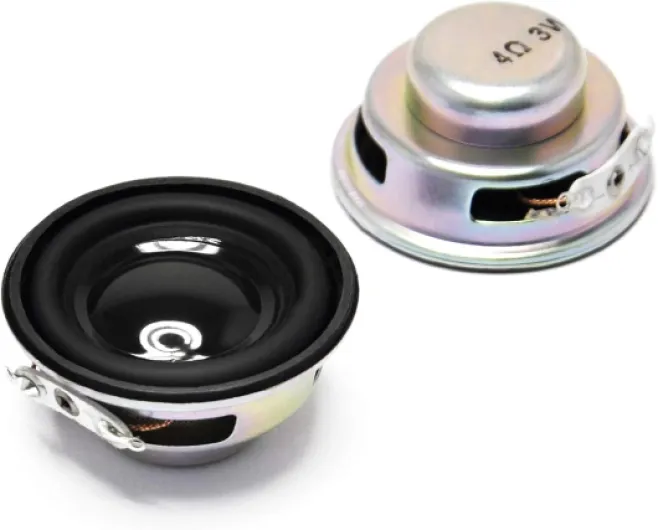
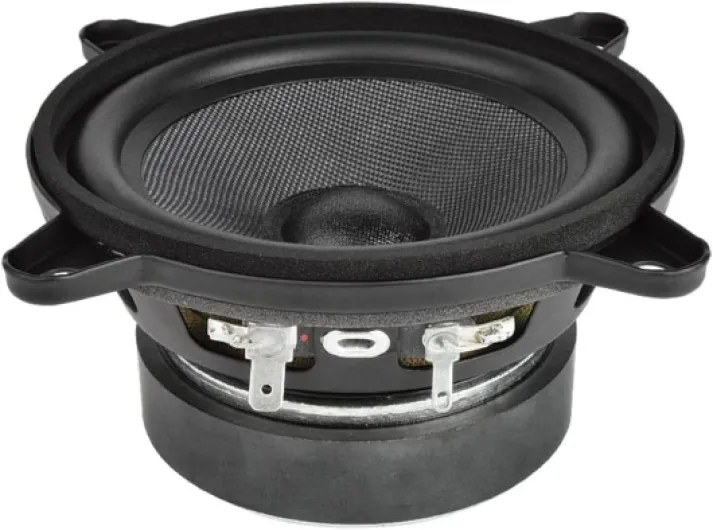
What are 4 ohm loudspeakers and why they matter
Understanding the Role of 4 Ohm Loudspeakers in Home Theater Audio
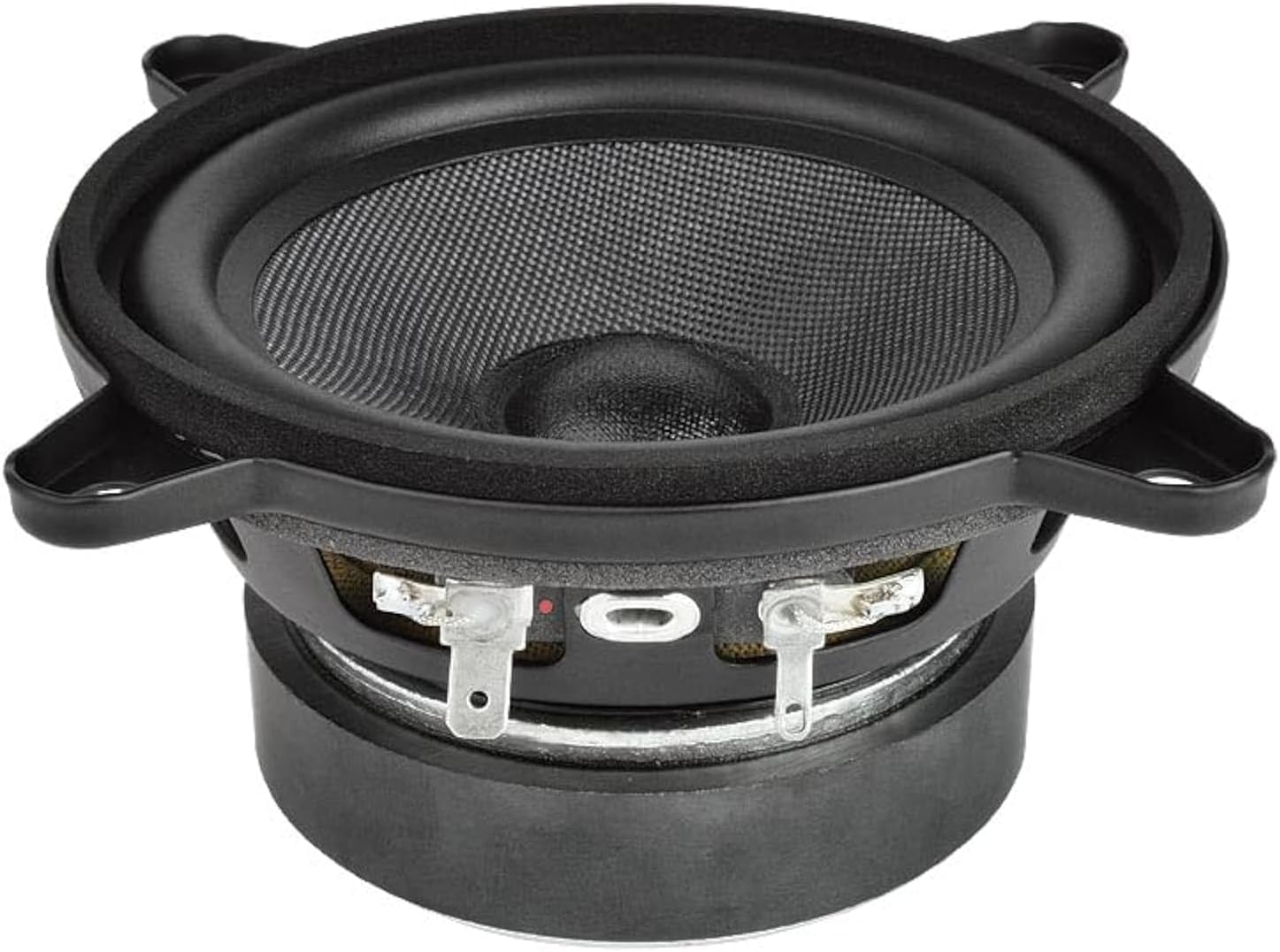
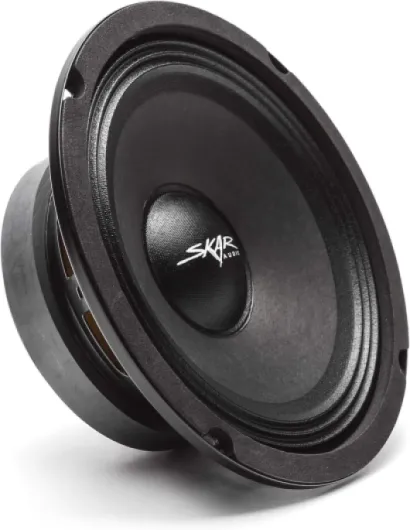
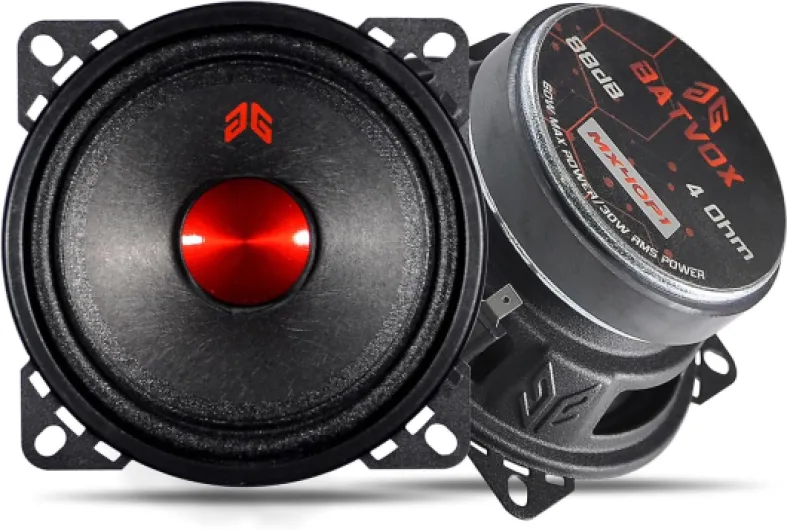
When building a home theater projector setup, the choice of speakers is crucial for achieving the best sound quality. One specification that often confuses buyers is the speaker impedance, measured in ohms. A 4 ohm loudspeaker refers to a speaker with a nominal impedance of 4 ohms. This value indicates how much resistance the speaker offers to the electrical current from your amplifier or audio system.
Impedance matters because it affects how much power your amplifier needs to deliver. Lower impedance, like 4 ohms, means the speaker draws more current, which can result in a louder sound and potentially richer audio detail. However, not all amplifiers or AV receivers are designed to handle a 4 ohm load. Using the wrong amp can lead to overheating or even damage. That’s why understanding speaker ohms and matching them with your amplifier’s capabilities is essential for both safety and performance.
4 ohm speakers are popular in both car audio and home theater environments, especially among enthusiasts seeking full range sound and dynamic power output. Some vintage and bookshelf speakers also come in 4 ohm versions, offering a unique sound signature and often a competitive price compared to higher impedance models. The minimum impedance rating of your amp should always be checked before connecting 4 ohm speakers, as not all amplifiers or AV receivers support this lower impedance.
- Speaker impedance (measured in ohms) affects power output and sound quality
- 4 ohm speakers require amplifiers capable of delivering higher current
- They can offer a louder, more dynamic audio experience
- Matching amp and speaker ohms is critical for safe, optimal performance
For those interested in the technical side of audio and how impedance interacts with your home theater system, it’s worth learning about high-pass filters and their role in protecting your speakers and amplifiers. You can find more details in this guide on why a desktop 21 high-pass filter is essential for your home theater projector audio.

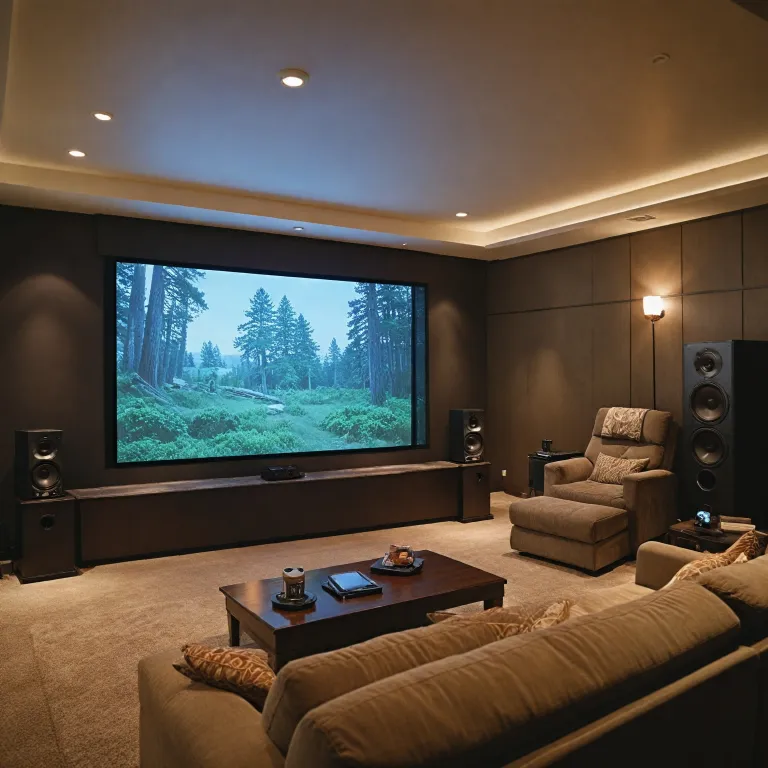
Matching 4 ohm loudspeakers with your home theater projector system
How to Pair 4 Ohm Speakers with Your Home Theater Projector System
When you’re building a home theater audio system, matching your 4 ohm loudspeakers with the right amplifier and projector setup is crucial for both sound quality and equipment safety. The ohm rating, or speaker impedance, tells you how much resistance your speakers offer to the electrical current from your amp. Lower impedance, like 4 ohms, means your speakers draw more power, which can result in a louder sound and potentially richer audio, but it also puts more demand on your amplifier. Key considerations for matching 4 ohm speakers:- Amplifier compatibility: Not all amplifiers or AV receivers are designed to handle a 4 ohm load. Using an amp that isn’t rated for 4 ohm speakers can cause overheating or even permanent damage. Always check the minimum impedance rating of your amp or receiver before connecting your speakers.
- Power output: 4 ohm speakers typically require more current to reach their full range and best performance. Make sure your amplifier can deliver enough watt ohm output to drive your speakers without distortion.
- Speaker wire: The right gauge and correct wiring are essential for safe and efficient power delivery. For more on this, check out this guide on understanding speaker wire colors for your home theater projector setup.
- Mixing impedances: If you’re combining 4 ohm speakers with 8 ohm or other impedance speakers in series or parallel, be aware that the total speaker ohms load will change. This affects both sound and amp safety.
Benefits of using 4 ohm loudspeakers in a home theater
Why 4 Ohm Loudspeakers Stand Out in Home Theater Audio
When building a home theater system, the choice of speakers can make a dramatic difference in your audio experience. 4 ohm loudspeakers are often favored for their ability to deliver a more dynamic and powerful sound, especially when paired with the right amplifier and projector setup. Here’s what sets them apart:
- Greater Power Output: 4 ohm speakers typically draw more current from your amp compared to 8 ohm models. This means, if your amplifier is rated for a 4 ohm load, you can expect a louder sound and more impactful audio, which is ideal for movie nights or immersive gaming sessions.
- Improved Sound Quality: Many audio enthusiasts believe that 4 ohm speakers offer a richer, fuller range of sound. This is especially noticeable in bookshelf speakers or full range models, where clarity and detail matter most.
- Compatibility with Modern Amplifiers: Today’s amplifiers and AV receivers are often designed to handle lower speaker impedance. This opens up more options for integrating 4 ohm speakers into your audio system without risking damage or distortion.
- Flexibility for Series and Parallel Wiring: If you’re considering a multi-speaker setup, 4 ohm speakers can be wired in series or parallel to achieve your desired speaker ohms and minimum impedance, giving you more control over your system’s performance.
- Value and Range: The market offers a wide price range for 4 ohm speakers, from vintage models to the latest brands. Whether you’re looking for the best bookshelf speakers or a powerful car audio upgrade, there’s a 4 ohm option to fit your needs and budget.
It’s important to note that using 4 ohm speakers requires an amplifier capable of delivering the necessary power output at lower impedance. This ensures you get the best sound quality without overloading your amp. If you’re aiming for a truly immersive home theater experience, consider the full range of your audio system, from speaker impedance to the quality of your HDMI cables. For more on why cable choice matters, check out this guide on essential HDMI cables for home theater projectors.
Potential challenges and how to overcome them
Common Issues When Integrating 4 Ohm Speakers
Using 4 ohm loudspeakers in a home theater projector setup can introduce some unique challenges. The lower impedance of 4 ohm speakers means they draw more current from your amplifier compared to 8 ohm models. This can lead to overheating, distortion, or even damage if your amp isn't designed to handle the extra load. It's important to check the specifications of your amplifier or AV receiver to confirm it supports a 4 ohm load. Many modern amplifiers offer a range of compatibility, but some vintage or entry-level models may not be suitable.
How to Avoid Overloading Your Amplifier
- Check the minimum impedance rating of your amplifier. If it lists 4 ohms as supported, you're in the clear. If not, consider upgrading your amp or using speakers with higher impedance.
- Monitor power output. Running 4 ohm speakers at high volumes demands more wattage. Make sure your amp can deliver enough power without distortion or risk of damage.
- Be cautious with series speakers. Wiring multiple speakers in series or parallel can change the total speaker impedance, affecting both sound quality and amplifier safety.
Managing Heat and Longevity
Amplifiers working with 4 ohm speakers often run hotter due to increased current. Ensure your amp has adequate ventilation and avoid stacking it with other heat-generating devices. Some brands offer amps specifically designed for low-impedance loads, which can be a smart investment for long-term reliability and best sound quality.
Budget and Price Considerations
While 4 ohm speakers can offer a louder sound and improved dynamics, they sometimes come at a higher price, especially for full range or bookshelf speakers from reputable brands. Factor in the potential need for a more robust amplifier when comparing offers and shipping options. If you already own 4 ohm speakers, make sure your existing audio system can handle the load before making additional purchases.
Tips for Smooth Integration
- Stick to the recommended speaker ohms for your amp.
- Use quality speaker cables to minimize resistance and maintain sound quality.
- Consider professional installation if you're unsure about matching speaker impedance and amp requirements.
By understanding these challenges and planning accordingly, you can enjoy the benefits of 4 ohm speakers in your home theater without compromising your equipment or audio experience.
Tips for optimal placement and setup
Getting the Most from Your 4 Ohm Speakers
When setting up 4 ohm speakers in your home theater, careful placement and configuration can make a big difference in sound quality and overall performance. Here are some practical tips to help you get the best results from your audio system:- Check your amplifier compatibility: Not all amplifiers are designed to handle a 4 ohm load. Using an amp that supports lower speaker impedance ensures you get the right power output and avoid overheating or distortion. Always verify the minimum impedance rating of your amp before connecting your speakers.
- Consider speaker placement: The position of your speakers affects how sound travels in your room. For bookshelf speakers or full range models, keep them at ear level and away from walls to reduce unwanted reflections. This helps achieve a clearer, louder sound and a more immersive experience.
- Balance your audio system: Mixing different speaker ohms in the same setup can cause uneven power distribution. Try to use speakers with the same impedance for a balanced sound and to prevent overloading your amplifier.
- Use quality cables: Good speaker cables help maintain signal integrity, especially with 4 ohm speakers that draw more current. Thicker cables with lower resistance are ideal for minimizing power loss and preserving sound quality.
- Mind your power requirements: 4 ohm speakers typically need more power than 8 ohm models. Make sure your amp can deliver enough watt ohm for your speakers without straining. This is especially important if you use vintage amplifiers or car audio equipment in your setup.
- Experiment with positioning: Small adjustments in speaker placement can have a big impact. Try angling your speakers slightly toward your listening position and adjusting the distance between them for the best stereo imaging and bass response.
Frequently asked questions about 4 ohm loudspeakers in home theaters
Are 4 ohm speakers compatible with all amplifiers?
Not every amplifier or AV receiver is designed to handle a 4 ohm load. Many home audio amplifiers are rated for 8 ohm speakers, and connecting 4 ohm loudspeakers can cause the amp to work harder, potentially leading to overheating or distortion. Always check your amplifier’s minimum impedance rating before connecting 4 ohm speakers. Some modern amplifiers and AV receivers offer a switch or setting for 4 ohm operation, ensuring safe and optimal power output.
Will 4 ohm speakers sound louder than 8 ohm speakers?
In general, 4 ohm speakers draw more current from the amplifier, which can result in a louder sound if the amp can supply enough power. However, actual sound quality and volume depend on the amp’s capabilities, the speaker’s sensitivity, and the overall audio system setup. Using an underpowered amp with 4 ohm speakers may not deliver the best results and could even damage your equipment.
Is there a difference in sound quality between 4 ohm and 8 ohm speakers?
Speaker impedance alone doesn’t determine sound quality. Factors like speaker design, brand, and full range capabilities play a bigger role. That said, 4 ohm speakers are often found in high-end or car audio systems where amplifiers are designed to deliver higher current. In a home theater, the best sound quality comes from matching your amp’s power output and speaker impedance for your specific room and listening preferences.
Can I mix 4 ohm and 8 ohm speakers in my home theater?
Mixing different speaker ohms in one audio system can be tricky. If your amplifier supports a minimum impedance of 4 ohms, you might be able to use both, but it’s important to understand how series speakers or parallel wiring affects the total load. Incorrect wiring can result in a lower minimum impedance than your amp can handle, risking damage. Always consult your amp’s manual and consider the total speaker impedance before mixing.
Are vintage amplifiers suitable for 4 ohm speakers?
Many vintage amplifiers were designed for 8 ohm speakers and may not safely drive a 4 ohm load. Using 4 ohm speakers with a vintage amp can cause overheating or distortion, especially at higher volumes. If you own vintage audio equipment, check the manufacturer’s specs for minimum impedance and power output before connecting lower-impedance speakers.
Do 4 ohm speakers cost more than 8 ohm models?
Price varies by brand, range, and features, not just impedance. Some high-end 4 ohm speakers offer advanced audio performance and may cost more, but there are also affordable options. Consider your budget, the speaker’s sound quality, and shipping costs when comparing models. The best value comes from speakers that match your amp and room size, not just the ohm rating.
What’s the ideal placement for 4 ohm bookshelf speakers in a home theater?
Proper placement is key for any speaker impedance. For bookshelf speakers, aim for ear level when seated, with equal distance from the main listening position. Avoid placing speakers too close to walls, as this can muddy the sound. Experiment with angles and spacing to achieve the best full range audio experience. If you’re unsure, many brands offer setup guides to help you get the most from your system.