

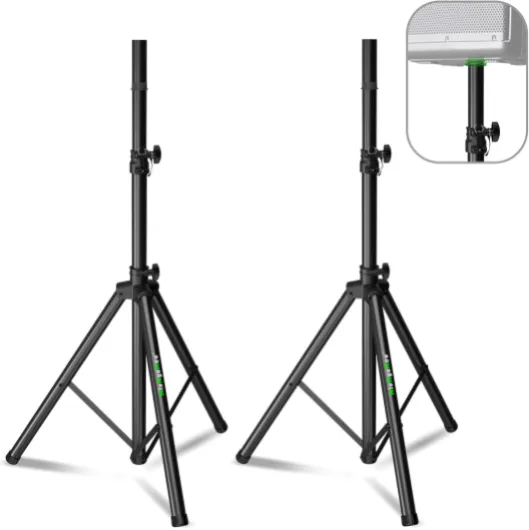
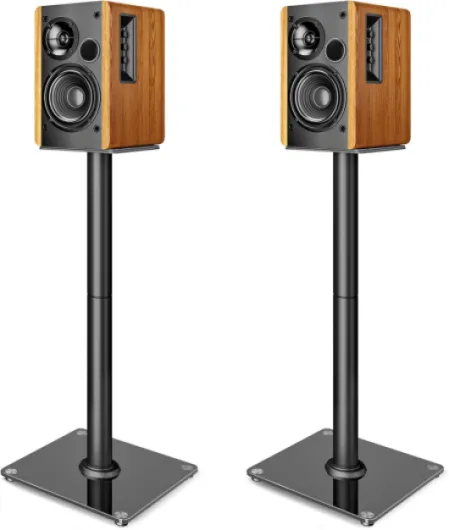
Understanding the role of speaker stands in surround sound
Why Speaker Stands Matter for Surround Sound
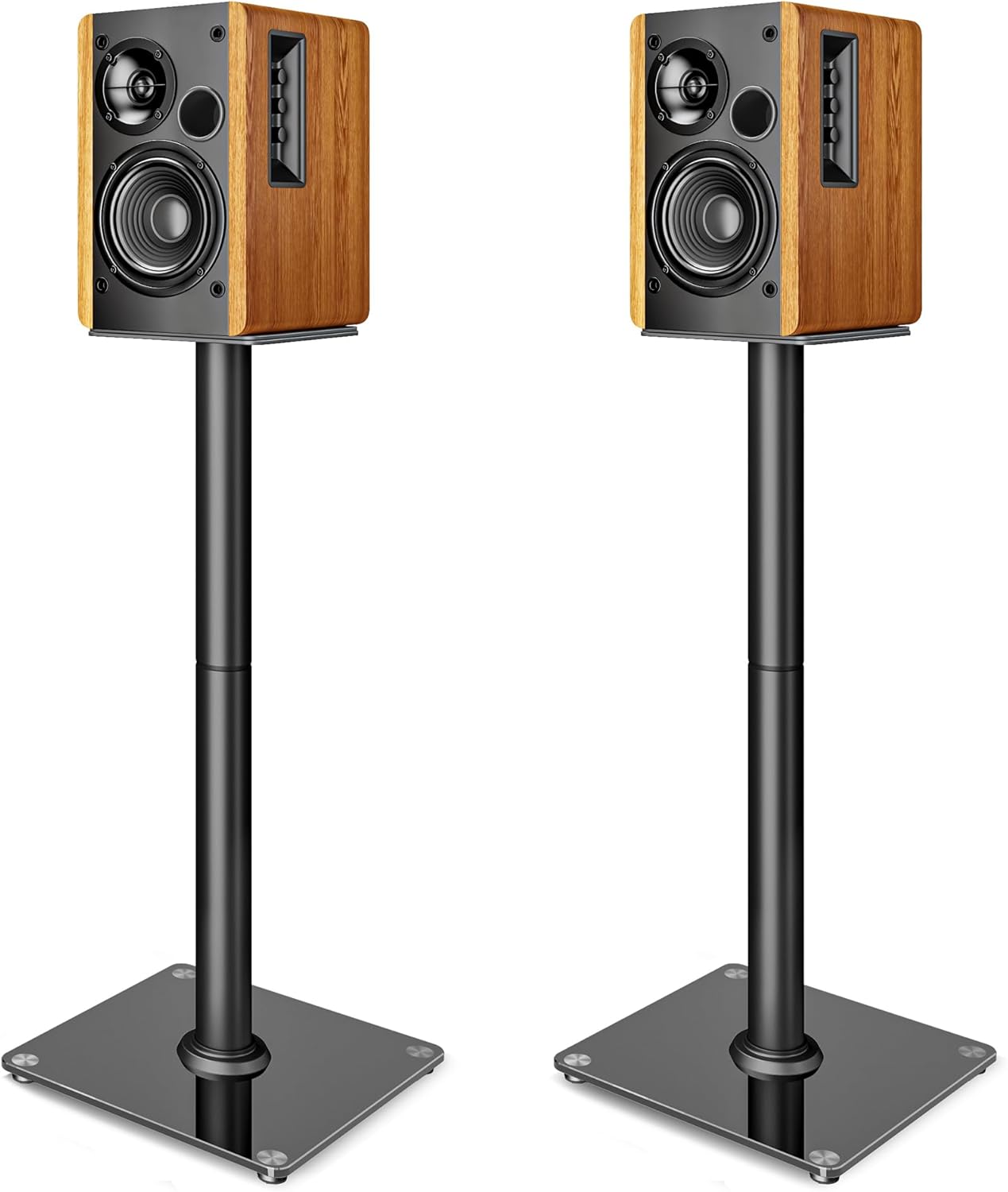
When setting up a home theater, many people focus on the speakers themselves, but the right speaker stands play a crucial role in achieving immersive surround sound. Stands are not just accessories; they help position each speaker at the optimal height and angle, ensuring that sound travels accurately across your room. This is especially important for bookshelf speakers and satellite bookshelf models, which often need precise placement to deliver the best audio experience.
- Height and Angle: Adjustable speaker stands allow you to set your speakers at ear level, which is key for clear dialogue and effects. Floor stands and height adjustable options make it easier to match your seating arrangement.
- Isolation: Quality stands, such as those from brands like Sanus, help isolate speakers from vibrations that can muddy the sound. This is especially important for bookshelf speakers placed on hard surfaces.
- Flexibility: Universal speaker stands and mounts give you the flexibility to pair different speaker models, whether you have a stand pair or need to accommodate a specific lbs capacity.
Proper speaker stand selection also impacts cable management and aesthetics, which can make your setup look as good as it sounds. For those looking to further enhance their surround sound experience, optimizing subwoofer placement is another key step. You can learn more about this in our guide on how to optimize sub placement for immersive home theater sound.
In summary, investing in the right stands—whether you choose floor stands, wall mounts, or height adjustable options—can make a significant difference in your home theater's performance. The next sections will cover what features to look for, placement tips, and how material choices affect sound quality.

Key features to look for in speaker stands
What Makes a Great Speaker Stand?
When shopping for speaker stands, it’s easy to get lost in the details. But the right features can make a real difference in your surround sound experience. Whether you’re setting up bookshelf speakers, satellite speakers, or a full surround sound system, the right stand pair can help your speakers deliver their best performance.
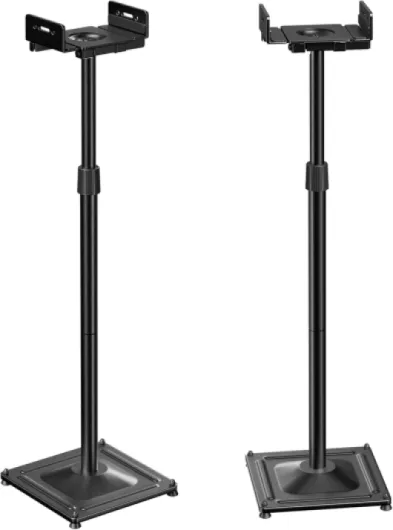
- Height and Adjustability: The height of your speaker stands matters. Ideally, the tweeters of your speakers should be at ear level when you’re seated. Height adjustable stands give you flexibility, especially if you have a mix of floor and bookshelf speakers. Some universal speaker stands offer easy adjustments, making them suitable for different room layouts.
- Weight Capacity: Always check the lbs capacity of a stand before buying. A stand pair designed for lightweight satellite bookshelf speakers may not support heavier bookshelf speakers. Look for the item’s maximum weight rating, and remember that a stable base is crucial for safety and sound quality.
- Mounting Options: Some stands come with universal mounts or wall mounts, while others are designed for specific brands like Sanus. If you want flexibility, universal speaker stands or stands with adjustable mounts can accommodate a wide range of speakers. This is especially helpful if you plan to upgrade or change your speakers in the future.
- Base and Stability: Floor stands with a wide, weighted base help prevent tipping, especially in homes with pets or children. Rubber feet or spikes can also reduce unwanted vibrations, keeping your sound crisp and clear.
- Cable Management: Integrated cable management keeps wires tidy and out of sight. This not only looks better but also reduces the risk of tripping or damaging your cables. Some stands feature hollow columns or clips to help route cables neatly.
For those interested in the technical side, the speaker’s impedance can also influence your choice of stand, especially if you’re using 4-ohm loudspeakers. For more details on how speaker specifications impact your setup, check out this guide on understanding 4-ohm loudspeakers for your home theater projector setup.
Remember, the right speaker stand isn’t just about looks. It’s about supporting your speakers, enhancing sound, and making your home theater both functional and stylish.
Placement tips for surround sound speakers
Getting the Most from Your Surround Sound Speaker Placement
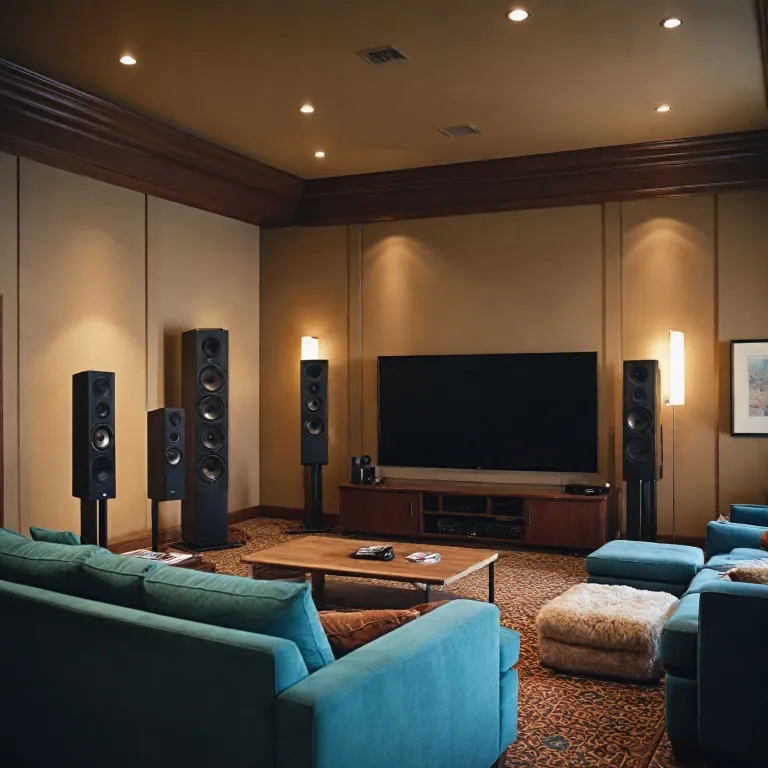
Proper placement of your surround sound speakers and stands is crucial for creating an immersive home theater experience. Whether you’re using bookshelf speakers, floor stands, or wall mounts, the way you position each speaker in the room can make a significant difference in sound quality and clarity.
- Height matters: For the best surround effect, place your surround speakers at ear level when seated. Height adjustable speaker stands or universal speaker stands with adjustable mounts can help you achieve the ideal position. Many stands offer a pair height range to suit different seating arrangements and room layouts.
- Distance from walls: Avoid placing speakers too close to walls or corners, as this can cause unwanted reflections and muddy the sound. Floor stands and wall mounts allow you to position your speakers away from surfaces, improving clarity and directionality.
- Speaker orientation: Angle your surround speakers slightly towards the main listening area. This helps create a more cohesive sound field, especially when using bookshelf speakers or satellite bookshelf speakers on stands pair.
- Spacing between speakers: Maintain equal distance between each speaker and the primary listening spot. For a typical 5.1 surround setup, rear speakers should be placed just behind and to the sides of your seating area, while side surrounds should be level with or slightly behind your ears.
- Stability and capacity: Choose stands with enough lbs capacity to support your speakers securely. Brands like Sanus offer sturdy floor stands and wall mounts designed for various speaker sizes and weights, including heavier bookshelf speakers and lighter satellite models.
- Cable management: Good cable management not only keeps your setup tidy but also prevents tripping hazards. Many speaker stands and mounts include built-in cable channels, making it easier to hide wires and maintain a clean look.
For those integrating a subwoofer into their home theater, proper cable routing is just as important. Check out this guide on how to choose the best subwoofer cable for your home theater projector setup for tips on optimizing your audio connections.
Remember, the right placement of your speaker stands and speakers can elevate your surround sound experience, making every movie night or music session feel like you’re right in the middle of the action.
Material choices and their impact on sound
How Material Choices Shape Your Listening Experience
The material of your speaker stands can make a surprising difference in the quality of your surround sound. When you shop for stands, you’ll notice options like metal, wood, glass, and composite materials. Each has its own effect on vibration control, stability, and overall sound clarity.
- Metal stands (such as steel or aluminum) are popular for their durability and weight capacity. They’re often chosen for bookshelf speakers and satellite bookshelf models because they minimize unwanted vibrations and keep your speakers stable, especially for stands with a higher lbs capacity.
- Wood stands can add warmth to your room’s look and sometimes to the sound itself. However, the density and build quality of the wood matter. Heavier woods help reduce resonance, but lighter woods might not offer the same isolation for your speakers.
- Glass stands look modern and sleek, but they can transmit vibrations more easily. If you prefer glass, look for designs with vibration-dampening features or rubber feet to help isolate your speakers.
- Composite and MDF stands are engineered to balance affordability and performance. These can be a good choice for a universal speaker stand pair, especially if you want something that blends into your décor while supporting your speakers lbs requirements.
Some stands, like those from Sanus, offer adjustable speaker height and built-in cable management, which can further enhance both sound and aesthetics. Height adjustable stands are especially useful for achieving the ideal ear-level placement for your surround sound setup. When selecting a stand pair, always check the item’s weight capacity and stability, particularly if you have larger bookshelf speakers or floor stands.
Remember, the right material not only supports your speakers but also helps maintain the integrity of your sound. Whether you’re mounting speakers on the wall, using floor stands, or opting for height adjustable mounts, the material choice is a key part of your home theater experience.
Cable management and aesthetics
Managing Cables for a Clean and Safe Setup
When setting up your surround sound system, cable management is often overlooked but plays a big role in both safety and aesthetics. Speaker stands, especially those designed for bookshelf speakers or satellite bookshelf models, often include built-in cable channels or clips. These features help keep wires organized and out of sight, reducing the risk of tripping and making your home theater look much cleaner.
- Integrated cable management: Many stands, such as those from Sanus, offer internal pathways for speaker wires. This keeps cables hidden inside the stand’s column, which is especially useful for floor stands and height adjustable models.
- External clips and ties: Some universal speaker stands or wall mounts come with clips or Velcro ties to secure cables along the outside. While not as seamless as internal channels, they still help prevent tangling and clutter.
- Compatibility: Check the stand’s capacity and design to ensure it can handle the thickness and number of cables you need, especially if you’re running wires for a pair of speakers or a full surround setup.
Enhancing Room Aesthetics with the Right Stand
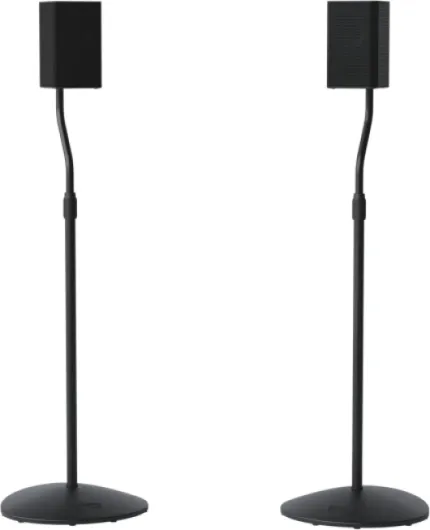
Speaker stands do more than just hold your speakers at the right height. The look and finish of your stands can complement your home theater’s style. For example, a sleek black or metallic finish on a stand pair can blend in with modern décor, while wooden finishes might suit more traditional rooms. Adjustable speaker stands and stands with a slim profile are less intrusive, making them ideal for smaller spaces or minimalist setups.
- Matching your speakers: Choose stands that suit the size and weight (lbs capacity) of your bookshelf speakers or satellite bookshelf models. A mismatch can look awkward and may not be safe.
- Blending with furniture: Floor stands and wall mounts should complement your existing furniture. Consider the finish, shape, and height of the stands to create a cohesive look.
- Concealing hardware: Some stands hide mounting hardware and screws, giving a cleaner appearance. This is especially important for stands surround setups where multiple stands are visible.
By paying attention to cable management and the visual impact of your speaker stands, you can create a surround sound system that not only sounds great but also looks organized and stylish in your home theater.
Common mistakes to avoid with speaker stands surround setups
Overlooking Weight and Compatibility Limits
One of the most common mistakes is ignoring the weight capacity of speaker stands. Not every stand is built to support heavy bookshelf speakers or floor models. Always check the lbs capacity of the stand and compare it to your speakers’ weight. For example, some universal speaker stands are designed for satellite bookshelf speakers, while others can handle larger bookshelf speakers with higher lbs capacity. Using an underpowered stand can risk both your equipment and your sound quality.
Improper Height and Placement Choices
Another frequent error is setting the stands at the wrong height. Adjustable speaker stands are popular for a reason: the tweeter of your surround sound speaker should be at ear level when seated. If you use a stand pair that is too short or too tall, you lose the immersive effect of surround sound. Take time to measure and adjust the stands’ height for each speaker in your setup, whether you’re using bookshelf, floor, or satellite models.
Poor Cable Management
Messy cables not only look unprofessional but can also cause tripping hazards and signal interference. Many stands, such as those from Sanus, offer built-in cable management features. Use these to keep wires tidy and out of sight. Avoid running cables loosely across the floor or behind stands without securing them. Good cable management also helps maintain the clean aesthetics of your home theater.
Neglecting Room Acoustics and Stand Materials
Some users focus only on the look of the stand and forget how materials impact sound. Metal, wood, and glass all interact differently with your speakers. For example, a sturdy floor stand can reduce unwanted vibrations, while a poorly chosen material might color the sound. Consider how your stand’s material and placement affect the acoustics of your room, especially when using wall mounts or placing stands near walls.
Forgetting About Stability and Safety
It’s easy to underestimate the importance of stability. A wobbly stand can cause your speakers to fall, especially if you have pets or children. Always check the base of your stands for stability, and consider stands with adjustable feet for uneven floors. For heavier speakers, look for stands with a wide base or additional weight support.
- Always match your speaker’s weight to the stand’s lbs capacity
- Adjust height for optimal sound, especially with surround speakers
- Use cable management to keep your setup neat
- Choose materials that complement your room’s acoustics
- Prioritize stability for safety and sound performance