


Understanding the role of sub placement in home theater
Why Subwoofer Placement Matters for Home Theater Sound
When building a home theater with a projector, the placement of your subwoofer is just as important as choosing the right speakers or projector. The subwoofer is responsible for delivering the deep bass sounds that make movie explosions rumble and music feel immersive. But where you place the subwoofer in your room can dramatically affect the overall sound quality and bass response.
Unlike other speakers, subwoofers interact with your room’s dimensions, furniture, and even wall color (like black surfaces that absorb or reflect sound differently). This interaction creates unique sound waves, which can lead to dead spots or areas where the bass is too strong. These issues can make your audio experience less enjoyable, no matter how high the quality or price of your audio system.
- Room modes can cause uneven bass, making some spots boom while others sound thin.
- Subwoofer location impacts how well low frequencies blend with your main speakers.
- Corner placement often boosts bass, but can also exaggerate certain frequencies.
- Listening position and room dimensions play a big role in how you perceive bass response.
Optimizing subwoofer placement isn’t just about finding a spot that looks good or fits your layout. It’s about improving bass, minimizing dead spots, and getting the best performance from your audio system. This process can involve techniques like the subwoofer crawl, using bass traps, and evaluating your room’s acoustics. If you want a deeper dive into how your sound system components work together in a projector setup, check out this essential sound system guide for home theater projectors.
Understanding the role of subwoofer placement is the first step toward a more immersive, high-quality home theater experience. The next sections will help you tackle common challenges, assess your room, and find the best spots for your subwoofer to truly enhance your audio experience.
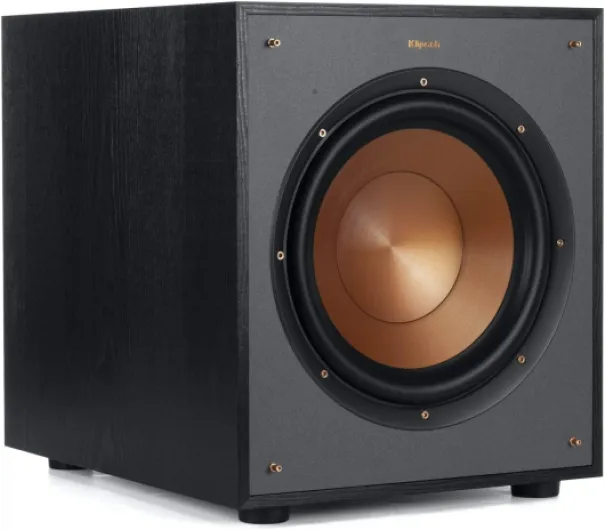
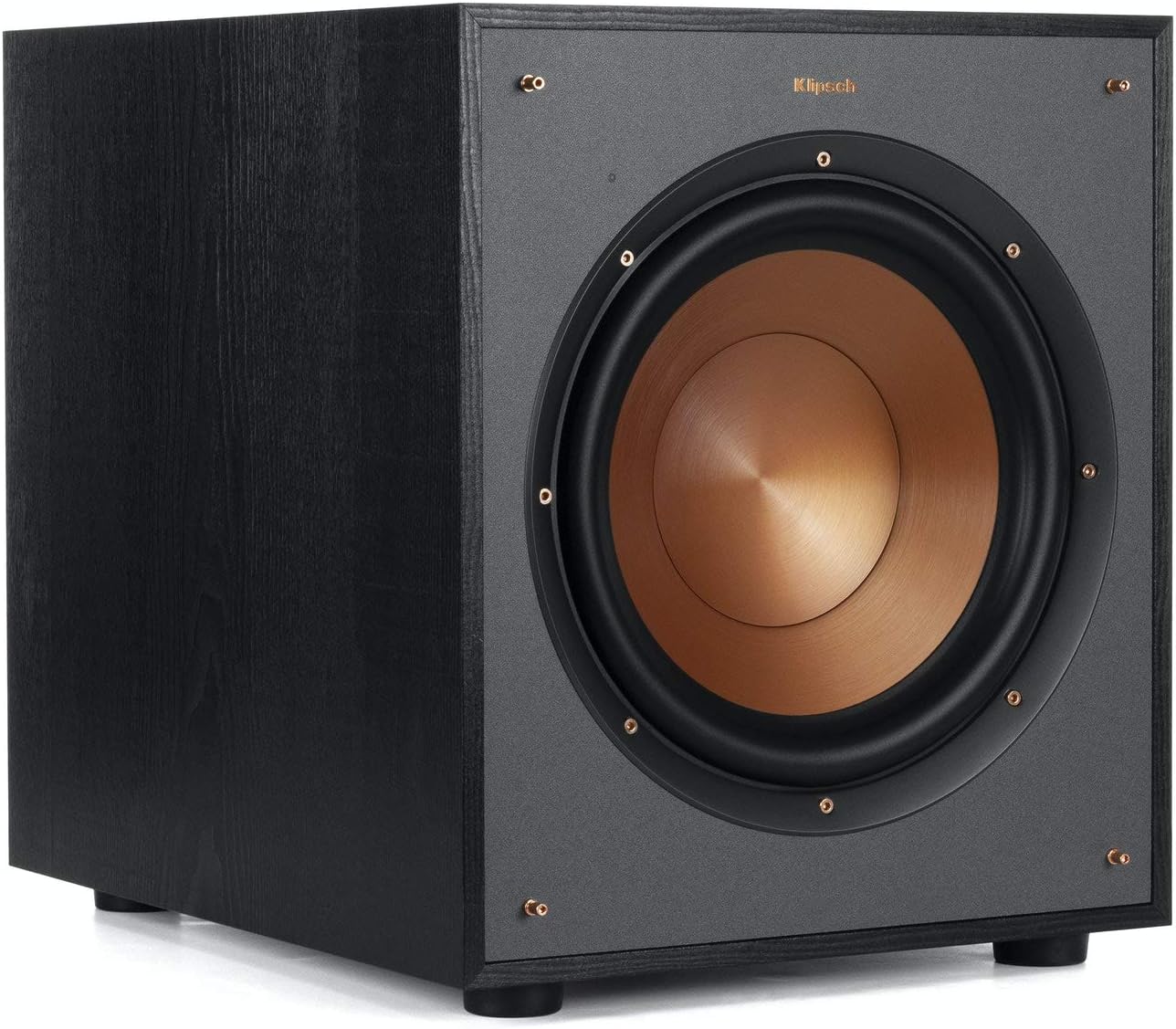
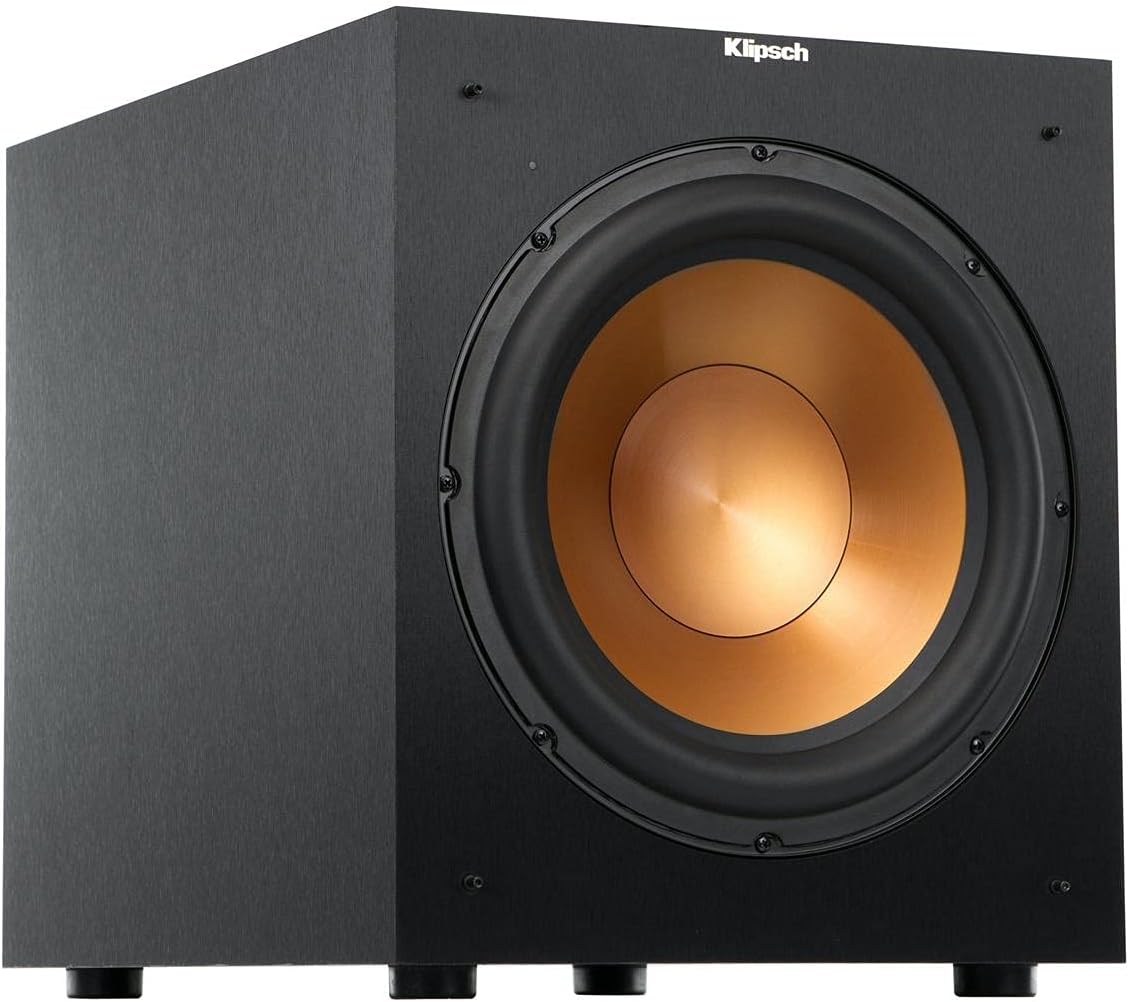
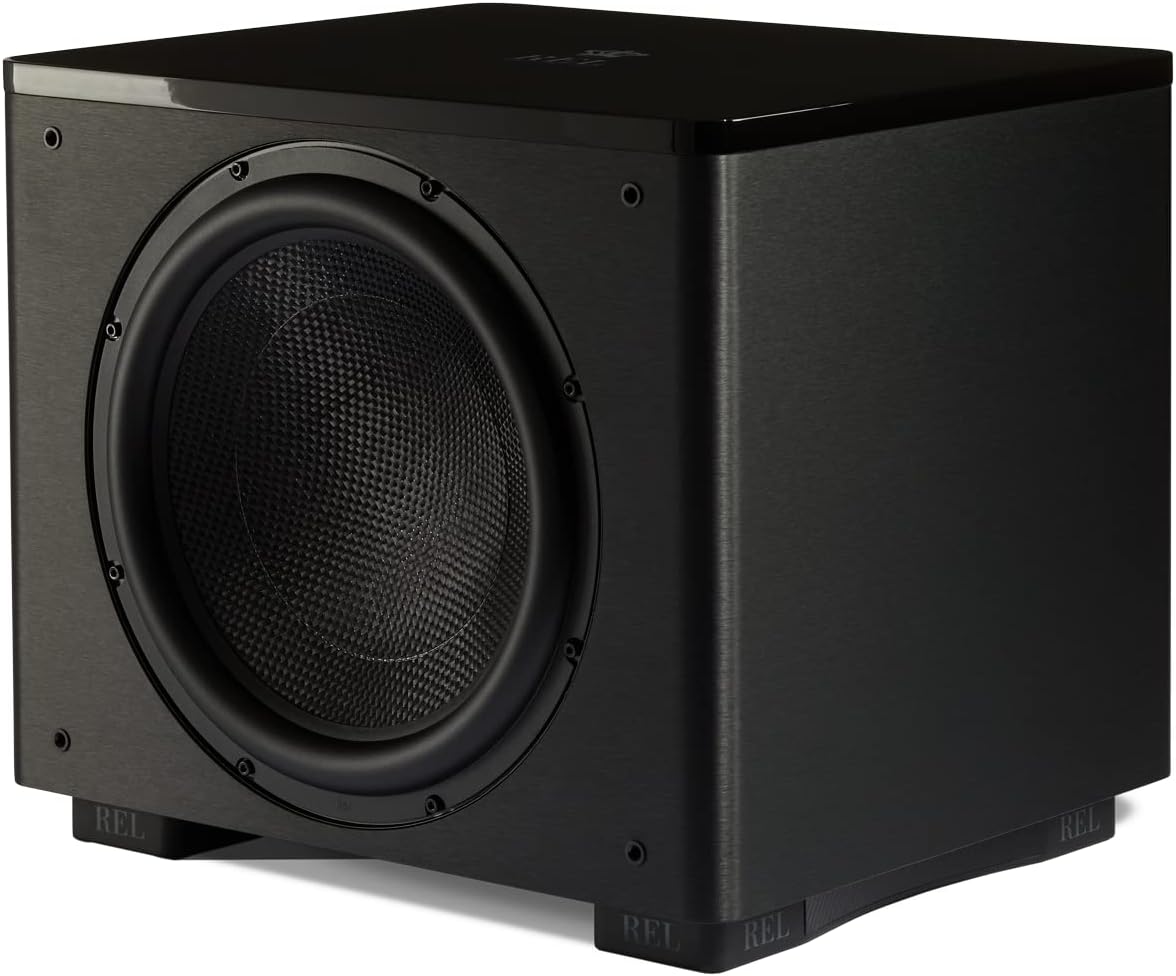
- + Incredibly Deep Bass
- + All-digital Amplifier
- + Compact Size

Common challenges with sub placement in projector rooms
Why Projector Rooms Make Subwoofer Placement Tricky
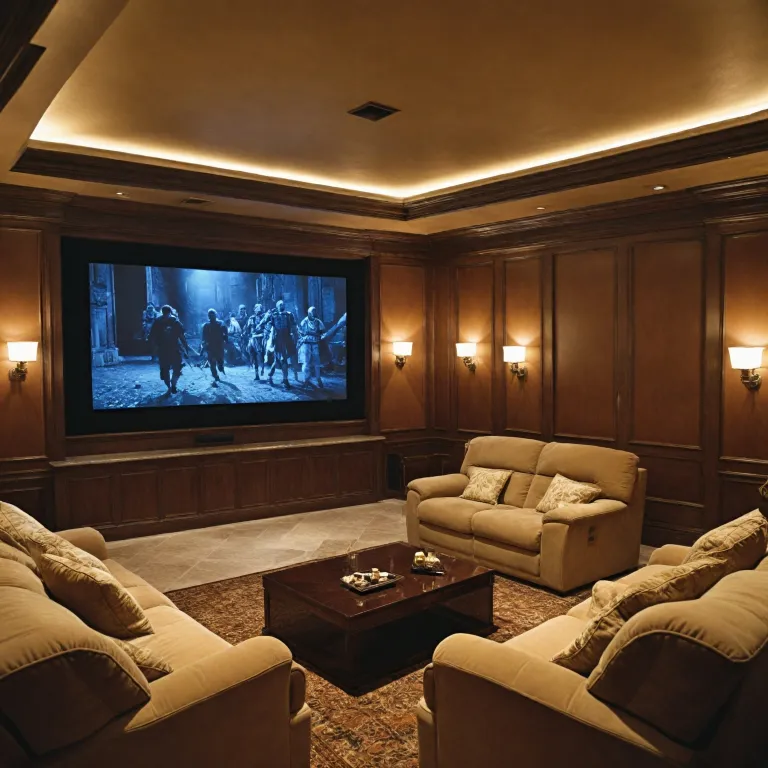
Setting up a subwoofer in a home theater projector room brings unique challenges. The room’s dimensions, the placement of your projector screen, and the location of your main speakers all influence how bass sounds travel and interact. Unlike traditional TV setups, projector rooms often have larger spaces, more open layouts, and sometimes less flexibility in where you can place your audio system components. This can lead to issues with bass response and overall sound quality.
Common Problems: Dead Spots, Room Modes, and Bass Buildup
- Dead spots: These are areas where bass sounds seem to disappear. They happen when sound waves from your subwoofer cancel each other out due to reflections from walls or furniture.
- Room modes: Every room has natural resonances based on its dimensions. These can exaggerate or weaken certain bass frequencies, making some spots too boomy and others too thin.
- Bass buildup: Placing your subwoofer in a corner can boost bass, but it can also make it muddy or overwhelming. Corner placement is tempting for more bass, but it’s not always the best for clarity or balance.
Physical Constraints and Aesthetic Considerations
Projector rooms often have fixed seating, large screens, and sometimes black walls or ceilings to improve image quality. These factors can limit your options for subwoofer placement. You might not be able to place the subwoofer exactly where it sounds best, especially if you want to avoid blocking walkways or affecting the look of your room. The price of high-quality subwoofers and amplifiers can also influence your choices, as you may need to find the best performance within your budget.
Balancing Performance and Practicality
Finding the right spot for your subwoofer is about balancing sound quality with the realities of your room. You’ll need to consider the placement of your speakers, the listening position, and the overall layout. Using techniques like the subwoofer crawl can help you identify the best spots for bass response. Some enthusiasts use bass traps or acoustic treatments to improve bass and reduce dead spots. For more on optimizing your audio experience, you might want to check out this guide on Dolby Atmos ceiling speakers for your home theater.
Evaluating your room’s acoustics
Assessing Your Room’s Impact on Bass Performance
Before you place your subwoofer, it’s essential to understand how your room shapes the sound quality and bass response. Every room has unique dimensions, materials, and furniture that interact with sound waves. These factors can create dead spots, boost certain frequencies, or even muddy the audio experience. Evaluating your room’s acoustics is a crucial step to find the best subwoofer location and improve bass performance.
- Room dimensions and shape: The size and layout of your room influence how bass sounds travel and where they accumulate. Square rooms or those with equal dimensions often create strong room modes, which can exaggerate or cancel out certain bass frequencies.
- Surface materials: Hard surfaces like glass, tile, or bare walls reflect sound, while soft furnishings absorb it. This mix affects the clarity and punch of your bass. Consider the balance between absorption and reflection for optimal sound quality.
- Furniture and objects: Large sofas, bookshelves, and even curtains can act as bass traps or diffusers. Their placement can either help smooth out the frequency response or create uneven bass across the listening position.
- Existing audio system: The type and placement of your main speakers, amplifier, and subwoofer options all interact with the room. Ensuring synergy between these elements is key for the best audio performance.
To identify the most promising spots for subwoofer placement, try the subwoofer crawl technique. Place the subwoofer at your main listening position, play a bass-heavy track, and walk around the room to find where the bass sounds strongest and most balanced. These are potential spots to place your subwoofer for optimal bass response.
Keep in mind that projector rooms often have unique challenges, such as limited placement options due to screen and seating arrangements. Integrating your subwoofer with the rest of your audio system and considering the screen color and material can also affect your overall experience, especially if you’re aiming for a truly immersive setup.
By carefully evaluating your room’s acoustics, you can avoid common pitfalls like dead spots or boomy corners, and make informed decisions about subwoofer placement, speaker arrangement, and even the price-to-performance ratio of your audio gear. This groundwork will help you achieve the best possible bass and sound quality for your home theater projector system.
Practical tips for positioning your subwoofer
Finding the Sweet Spot for Subwoofer Placement
Getting the best bass response in your home theater room often comes down to where you place your subwoofer. The right subwoofer location can dramatically improve sound quality, making movie nights more immersive. Here are some practical tips to help you find the ideal spot:- Start with the Subwoofer Crawl: Place your subwoofer at your main listening position, then play a bass-heavy track. Walk around the room and listen for spots where the bass sounds fullest and most balanced. These are potential places for your subwoofer.
- Avoid Dead Spots: Every room has areas where bass waves cancel each other out, causing weak or muddy sound. Testing different spots helps you avoid these dead zones and find a location with strong, even bass.
- Consider Corner Placement: Placing your subwoofer in a corner can boost bass output, but it might also exaggerate certain frequencies. If you notice boomy or uneven bass, try moving the subwoofer a bit away from the wall or corner.
- Mind the Room Dimensions: Large rooms or rooms with irregular shapes may require more experimentation. Sometimes, using two subwoofers can help smooth out bass response across the entire listening area.
- Integrate with Other Speakers: Make sure your subwoofer blends well with your main speakers. The transition between speakers and subwoofer should be seamless, without noticeable gaps or overlaps in frequency response.
- Test with Different Content: Use a variety of audio tracks and movie scenes to evaluate performance. Bass-heavy music, action films, and dialogue-driven scenes can all reveal how well your subwoofer placement works.
Optimizing for Performance and Flexibility
- Adjust the Amplifier Settings: Fine-tune the subwoofer’s volume, crossover, and phase controls to match your room and audio system. Small adjustments can make a big difference in sound quality.
- Address Room Modes: If you notice certain bass notes are too loud or too quiet, you may be dealing with room modes. Bass traps or acoustic panels can help tame these issues and improve overall bass performance.
- Balance Price and Quality: While higher-priced subwoofers often deliver better performance, placement and room acoustics play a huge role in sound quality. Even budget-friendly options can shine with careful setup.
- Keep Aesthetics in Mind: Choose a subwoofer finish that matches your room, whether it’s classic black or another style. Consider cable management and how the subwoofer fits with your projector setup and furniture.
By taking the time to experiment with subwoofer placement and making small adjustments, you can significantly improve bass response and overall audio experience in your home theater. Remember, the best spot is the one that sounds right to you in your unique room.
Using calibration tools and techniques
Calibration methods to maximize bass performance
Getting the best bass response from your subwoofer often requires more than just careful placement. Once you have found promising spots in your room, calibration tools and techniques can help you fine-tune the sound quality and eliminate dead spots or boomy areas. Here are some effective ways to improve your audio experience:- Automatic Room Correction Systems: Many modern audio systems and AV receivers include built-in calibration tools like Audyssey, Dirac Live, or Yamaha YPAO. These systems use a microphone to analyze your room’s acoustics and adjust the subwoofer’s output, frequency response, and phase for optimal sound. This helps address issues caused by room modes and uneven bass sounds.
- Manual Calibration: If your amplifier or receiver lacks automatic options, you can use a sound level meter or smartphone app to measure bass levels at your main listening position. Adjust the subwoofer’s volume, crossover, and phase controls until you achieve balanced bass without overwhelming other speakers.
- The Subwoofer Crawl: This practical technique involves placing the subwoofer at your listening position and moving around the room to find spots where the bass sounds best. Mark these spots and place the subwoofer there for improved bass response and fewer dead spots.
- Fine-Tuning Placement: Small adjustments in subwoofer location can make a big difference. Try moving the subwoofer a few inches at a time, especially away from walls or corners, to reduce boomy or muddy bass. Corner placement can boost output but may exaggerate certain frequencies, so experiment to find the best balance for your room dimensions.
- Using Bass Traps: Adding bass traps or acoustic panels in key spots can help control sound waves and minimize unwanted reflections. This leads to a tighter, more accurate bass and enhances overall sound quality.
Integrating sub placement with your projector setup
Balancing Subwoofer and Projector Placement for Seamless Integration
When setting up a home theater, it’s easy to focus on the projector and screen, but integrating your subwoofer placement with your projector setup is just as important for achieving the best audio experience. The position of your subwoofer can influence not only the bass response but also how immersive your sound feels during movies and music.Considerations for Room Layout and Equipment
Your room dimensions, projector location, and seating arrangement all play a role in subwoofer placement. If your projector is ceiling-mounted or placed at the back, make sure the subwoofer doesn’t block the path of sound waves or interfere with cables. Avoid placing the subwoofer directly under the projector, as vibrations can affect both devices and degrade sound quality.- Keep the subwoofer away from the projector’s cooling vents to prevent overheating.
- Check that the subwoofer location doesn’t cast unwanted shadows on the screen, especially if the subwoofer is large or black.
- Ensure easy access to power outlets for both the projector and subwoofer amplifier.
Optimizing Audio and Visual Performance Together
The goal is to find spots where the subwoofer delivers tight, impactful bass without creating dead spots or overpowering the audio system. Use the subwoofer crawl technique to identify the best place for your subwoofer, then check that this spot doesn’t interfere with your projector’s throw distance or image alignment. Sometimes, you may need to compromise between ideal subwoofer placement and projector setup, but small adjustments can improve bass and overall sound quality. If you have multiple speakers, try to keep the subwoofer in line with the front speakers for a more cohesive soundstage. Corner placement can boost bass, but it may also exaggerate room modes, so consider using bass traps to control excessive bass sounds and improve frequency response.Practical Tips for Integration
- Test different subwoofer placement options before finalizing your projector setup.
- Use calibration tools to balance audio performance and visual clarity.
- Pay attention to cable management to avoid tripping hazards and signal interference.
- If you’re shopping for a new subwoofer, consider price, size, and amplifier power to match your room and projector setup.