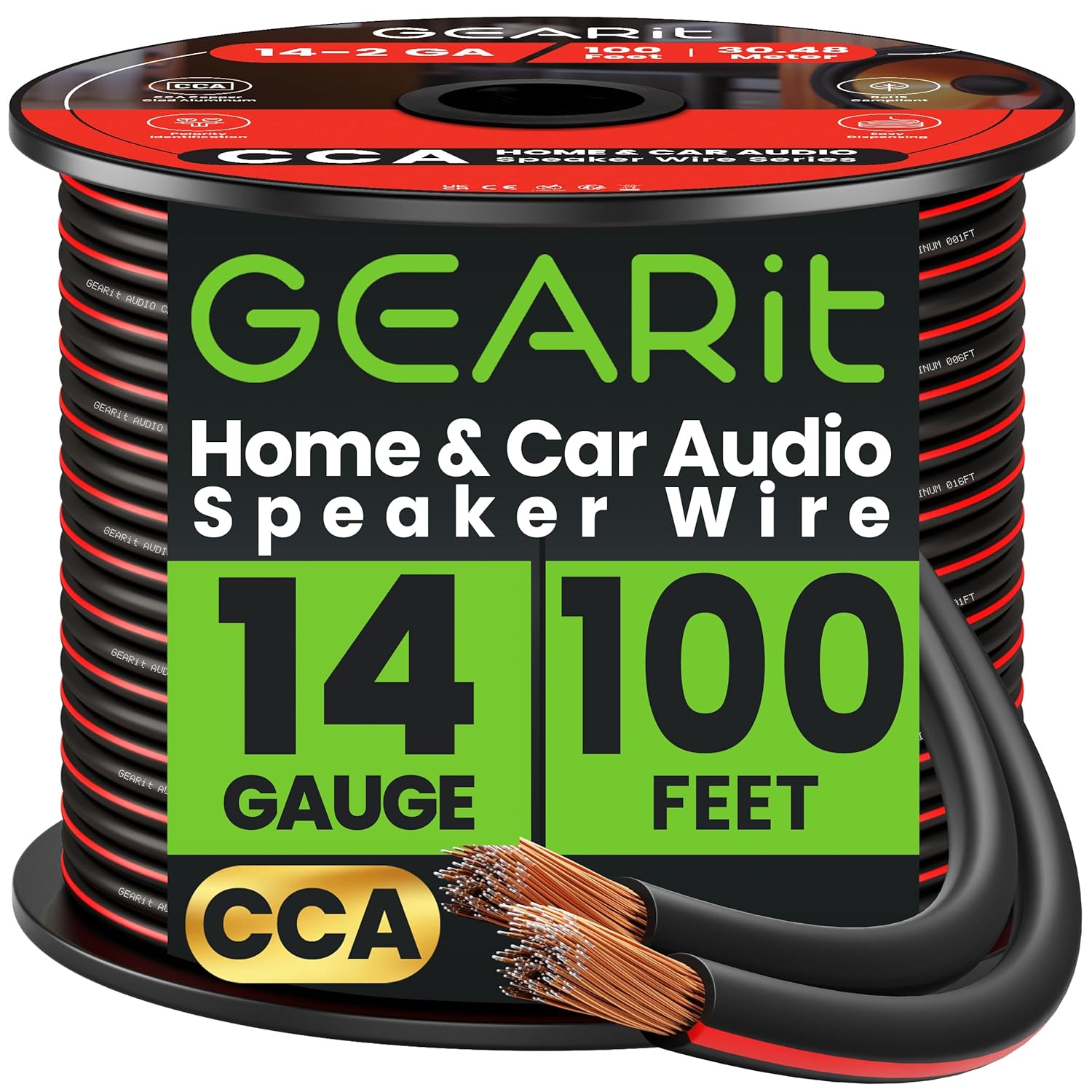


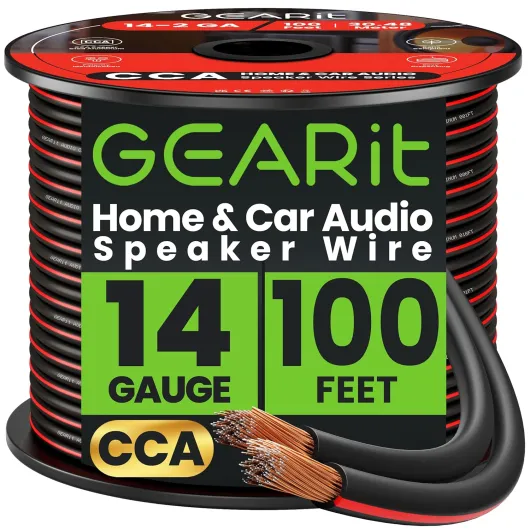
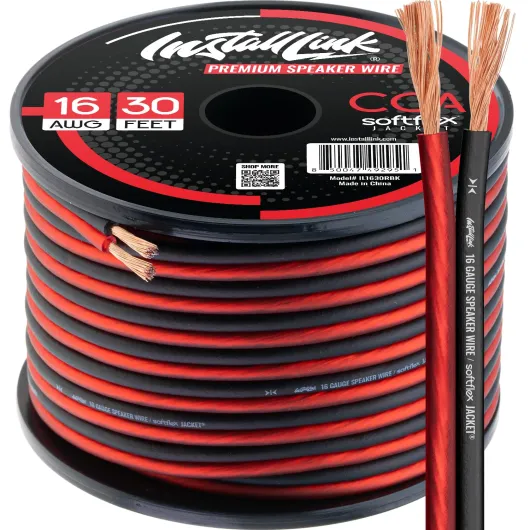
Understanding loudspeaker cable gauge
What is Speaker Cable Gauge?
When setting up a home theater projector system, understanding the basics of speaker wire gauge is essential for getting the best audio experience. The term "gauge" refers to the thickness of the wire, and it is measured using the American Wire Gauge (AWG) system. A lower gauge number means a thicker wire, while a higher gauge number means a thinner wire. For example, 12 AWG is thicker than 16 AWG. The diameter of the wire directly impacts how much power and audio signal can travel from your amplifier to your speakers.
Why Does Gauge Matter?
The diameter of your speaker cable affects both the quality and the strength of the audio signal. Thicker wire (lower gauge) can carry more power with less resistance, which is especially important for longer cable runs or high-powered speakers. On the other hand, thinner wire (higher gauge) may be suitable for shorter distances or lower power setups, but can lead to signal loss and reduced sound quality if not matched correctly to your system's needs.
- Lower gauge = thicker wire = less resistance
- Higher gauge = thinner wire = more resistance
- Resistance impacts audio quality and signal loss
How the AWG System Works
The AWG system is the standard for measuring speaker wire diameter in North America. Each step up or down in gauge number represents a change in the wire's diameter and its ability to carry current. For most home theater projector setups, common speaker wire gauges range from 12 AWG to 16 AWG. Choosing the right gauge wire depends on the distance between your amplifier and speakers, as well as the power requirements of your audio system.
For a deeper dive into how your home theater projector's audio system works together, including the role of subwoofers and how they interact with your speaker cables, you can read about the role of a subwoofer in your home theater projector setup.
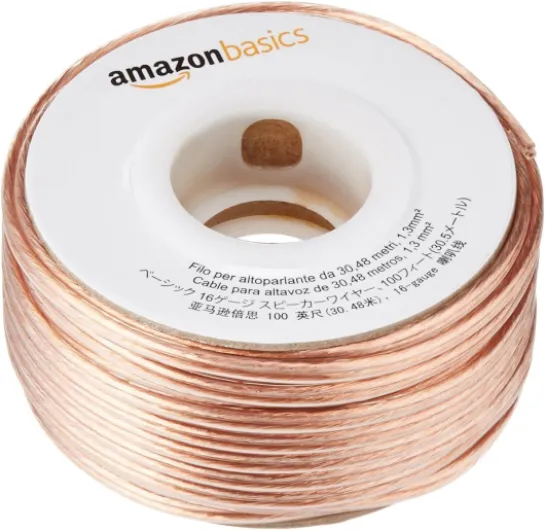
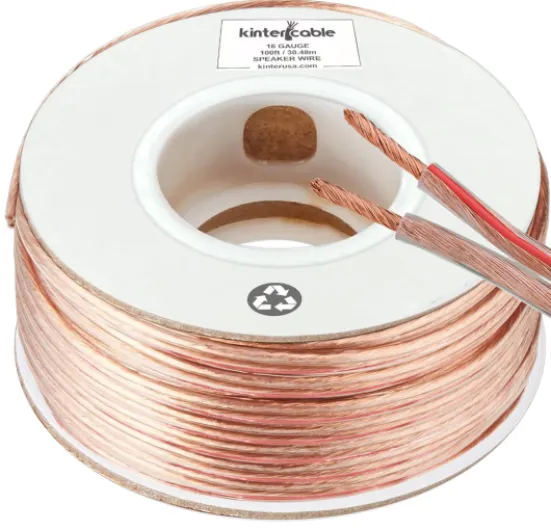
- + Assemblage facile
- + Longueur de 100 pieds
- + Fil de 16 AWG
- + Couleur bronze

How cable gauge affects sound quality
Why wire gauge matters for audio performance
The gauge of your speaker wire plays a direct role in how well your home theater projector setup delivers sound. Wire gauge, measured in the American Wire Gauge (AWG) system, refers to the diameter of the cable. A lower gauge number means a thicker wire, while a higher gauge number means a thinner wire. This diameter affects how much electrical signal can pass through the cable from your amplifier to your speakers.
- Thicker wire (lower gauge number): Carries more power with less resistance, reducing signal loss and helping maintain high audio quality, especially over longer distances.
- Thinner wire (higher gauge number): Has higher resistance, which can lead to signal loss and lower sound quality, particularly if you’re running cables over a significant distance or using high-power speakers.
When the wire isn’t thick enough for the distance or power needed, you might notice a drop in sound quality. This can show up as weaker bass, less clarity, or even distortion at higher volumes. The quality of your speaker cable becomes even more important if you want to achieve pro camera audio quality with your home theater projector. Choosing the right gauge wire helps ensure your speakers receive a clean, strong signal from your amplifier, so you get the best possible audio experience.
It’s also worth noting that not all cables are created equal. High quality speaker wires with the correct gauge for your setup will help minimize signal loss and maximize sound quality. In the next section, we’ll look at how to match your cable gauge to the distance between your amplifier and speakers for optimal performance.
Matching cable gauge to speaker distance
Why Distance Matters When Choosing Speaker Wire
One of the most overlooked factors in home theater projector setups is the distance between your amplifier and your speakers. The length of your speaker wire directly impacts signal loss and audio quality. As the distance increases, the resistance in the wire also increases, which can lead to a drop in power delivered to your speakers and a noticeable decrease in sound quality.
- Longer cable runs require thicker wire: The lower the gauge number (for example, 12 AWG compared to 16 AWG), the thicker the wire. Thicker wire has a larger diameter, which helps reduce resistance and signal loss over longer distances.
- Shorter distances allow for higher gauge wire: If your speakers are close to your amplifier, you can use a higher gauge (thinner) wire without sacrificing audio quality. However, as the distance grows, a thicker cable becomes essential for maintaining high quality sound.
- AWG system explained: The American Wire Gauge (AWG) system is the standard for measuring wire diameter. A lower AWG number means a thicker wire, which is better for longer cable runs and higher power delivery.
For example, if your speaker cables need to run more than 50 feet, a 12 gauge speaker wire is generally recommended to ensure minimal signal loss and maintain great audio quality. For shorter runs, such as under 25 feet, a 16 gauge wire may be sufficient, depending on your speakers and amplifier power.
Matching the right cable gauge to your speaker distance is crucial for getting the best performance from your home theater projector system. If you’re also connecting devices like subwoofers or external audio sources, choosing the best RCA adapter for home theater projector can further optimize your setup.
| Distance (feet) | Recommended Gauge (AWG) |
|---|---|
| Up to 25 | 16 AWG |
| 26 - 50 | 14 AWG |
| Over 50 | 12 AWG |
Always consider both the power of your amplifier and the sensitivity of your speakers when selecting the right gauge speaker cable. Using the correct wire diameter ensures lower resistance, less signal loss, and high quality sound throughout your home theater experience.
Common mistakes when selecting loudspeaker cables
Overlooking the Impact of Cable Gauge
Many people underestimate how much the gauge of their speaker wire affects audio quality. Using a wire with a gauge number that is too high (meaning a thinner wire) for longer distances can lead to signal loss and reduced sound quality. The American Wire Gauge (AWG) system helps you identify the correct diameter wire for your setup, but it's easy to overlook how a lower gauge (thicker wire) can make a big difference, especially when powering high quality speakers or running cables over a great distance.Using the Wrong Length and Gauge Combination
A common mistake is not matching the cable gauge to the distance between the amplifier and the speakers. For example, using a thin speaker cable (higher gauge AWG) for a long run can cause power loss and degrade the audio signal. Always read the specifications for both your speakers and amplifier, and consider the total length of cable needed. A thicker wire (lower gauge number) is generally better for longer distances to maintain sound quality.Ignoring Cable Quality and Construction
Not all speaker wires are created equal. Some cables use lower quality materials or poor shielding, which can introduce noise or signal loss. Even if you choose the right gauge speaker wire, poor construction can still affect your audio experience. Look for cables labeled as "high quality" and check that the diameter wire matches the AWG system standards.Improper Installation Practices
Another issue is not installing the cables well. Running speaker wires near power cables or other sources of interference can cause unwanted noise. Also, failing to secure cables properly can lead to wear and tear, which impacts long-term performance. Make sure to route your cables carefully and avoid sharp bends or pinching the wire.- Don't use a higher gauge (thinner) wire for long distances
- Always check the AWG number and match it to your speaker and amplifier requirements
- Choose cables with good shielding and quality materials
- Install cables away from power lines and secure them to prevent damage
By avoiding these common mistakes, you help ensure your home theater projector setup delivers the best possible audio quality from your speakers.
Recommended cable gauges for home theater projector setups
Popular wire gauges for home theater use
When setting up a home theater projector system, choosing the right speaker wire gauge is crucial for maintaining high audio quality and minimizing signal loss. The American Wire Gauge (AWG) system is the standard for measuring wire diameter in the audio world. A lower gauge number means a thicker wire, which can carry more power and reduce resistance over longer distances.
- 16 AWG: This is a common choice for most home theater setups, especially if your speakers are within 25 feet of your amplifier or receiver. It offers a good balance between flexibility, cost, and performance for standard speakers.
- 14 AWG: If your speaker cables need to run between 25 and 50 feet, a thicker 14 gauge wire is recommended. The lower gauge reduces the risk of signal loss and helps maintain sound quality over longer distances.
- 12 AWG: For high-power systems, subwoofers, or cable runs longer than 50 feet, 12 gauge speaker wire is ideal. The thicker diameter wire handles more current and ensures great audio quality even in demanding setups.
How to choose the right gauge for your setup
Consider the following when selecting your speaker cable:
- Distance: The longer the cable run, the thicker the wire should be to prevent signal loss.
- Speaker power: High-powered speakers or amplifiers benefit from lower gauge (thicker) wire to deliver clean, undistorted sound.
- Budget and flexibility: While thicker wire offers better performance, it can be less flexible and more expensive. For most home theater projector setups, 16 or 14 AWG strikes a good balance.
Quick reference table
| Speaker Distance | Recommended Gauge (AWG) | Use Case |
|---|---|---|
| Up to 25 ft | 16 AWG | Standard speakers, average power |
| 25-50 ft | 14 AWG | Higher power, longer runs |
| Over 50 ft | 12 AWG | Subwoofers, high power, minimal signal loss |
Choosing the correct gauge speaker wire ensures your home theater projector system delivers the best possible sound quality. Remember, using a lower gauge (thicker) wire is generally better for longer distances and higher power, but for most typical home setups, 16 or 14 AWG will work well. Always check the wire diameter and match it to your specific needs for optimal audio performance.
Tips for installing and maintaining loudspeaker cables
Practical Steps for a Clean and Reliable Speaker Wire Setup
When you’ve chosen the right gauge speaker wire for your home theater projector system, proper installation and maintenance are just as important as the initial selection. A well-installed cable setup ensures you get the best possible audio quality and avoid signal loss or interference.- Measure Twice, Cut Once: Before cutting your speaker cable, carefully measure the distance from your amplifier to each speaker. Add a little extra length to allow for routing around furniture or along walls. This helps prevent tension on the wire and makes future adjustments easier.
- Keep Wires Organized: Use cable clips, raceways, or sleeves to keep wires tidy and prevent tangling. Organized speaker wires not only look great but also reduce the risk of accidental damage or tripping hazards.
- Avoid Power Cables: Run speaker wires away from electrical power cables to minimize the risk of interference. Crossing power cables at a 90-degree angle, if necessary, can help reduce unwanted noise in your audio signal.
- Check Connections: Make sure the wire ends are stripped cleanly and inserted fully into the speaker and amplifier terminals. Loose or frayed connections can cause signal loss and lower sound quality.
- Label Each Wire: Labeling each speaker cable makes troubleshooting and future upgrades much easier. You’ll always know which wire goes to which speaker, saving time and frustration.
- Inspect Regularly: Over time, dust, oxidation, or accidental movement can affect cable performance. Periodically check all connections and the condition of the wire insulation. Replace any damaged cables to maintain high quality sound.
| Tip | Why It Matters |
|---|---|
| Use thicker wire (lower gauge number) for longer runs | Reduces signal loss and preserves audio quality over distance |
| Keep wire diameter consistent | Ensures balanced power delivery and sound across all speakers |
| Choose high quality cables with proper insulation | Protects against interference and physical damage |