Why ANSI lumens vs lumens matters more than the box headline
Two projectors can both claim 3 000 lumens yet look radically different. When you compare ANSI lumens vs lumens without context, you are really comparing a standardized measurement against a marketing number that often exaggerates real projector brightness. For a budget family trying to light a 100 inch screen in a living room with some ambient light, that difference decides whether movie night feels cinematic or washed out.
ANSI lumens are measured using a nine point grid on the screen, averaging brightness across the image so that the lumen rating reflects what your eyes actually see rather than a single hot spot in the center. This ANSI lumen method, and its close cousin ISO lumens, gives a standardized way to compare one projector to another, whether you are looking at an Epson 3LCD model, a BenQ DLP gaming projector, or a compact XGIMI laser unit. When brands quote only generic lumens or vague brightness claims without saying ANSI or ISO, independent tests from sites such as ProjectorCentral and RTINGS (see their projector brightness measurement notes) consistently show that the real brightness level on the screen is lower than advertised.
Budget friendly laser projectors often lean on inflated lumen numbers, especially when they talk about LED lumens or “LED brightness” instead of ANSI lumens. Some portable projectors even mix up source lumens, which measure the raw light output at the light source, with lumens on the screen, which is what actually matters for your family’s vision during a film. When you read ANSI lumens vs non standard lumen ratings on spec sheets, always prioritize the figure that clearly states ANSI or ISO lumens, because that is the only brightness metric grounded in a repeatable laboratory test rather than wishful thinking or unverified marketing conversions.
How ANSI and ISO lumens are actually measured on real screens
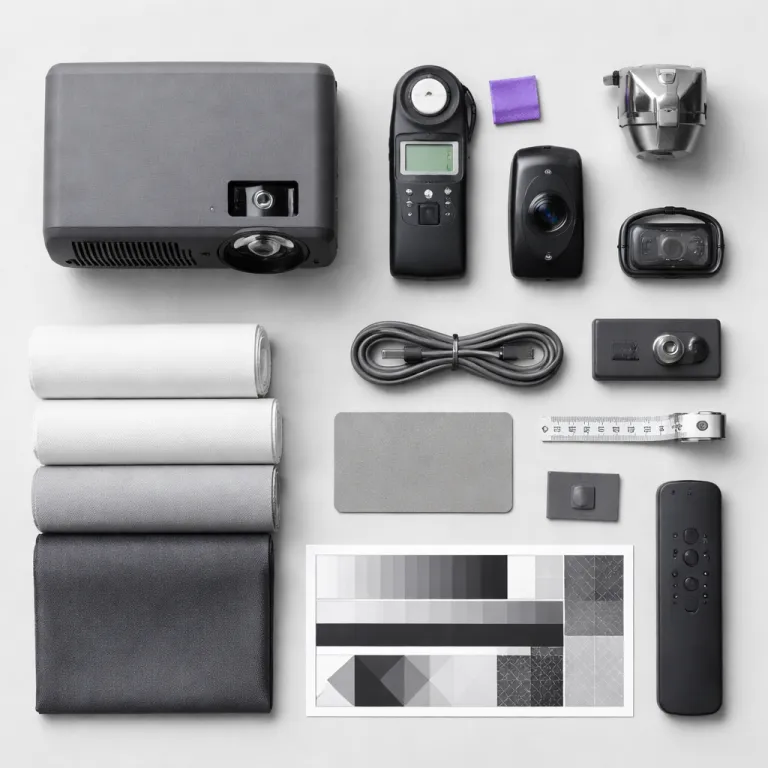
ANSI lumens start with a calibrated light meter, a neutral gain screen, and a projector set to its brightest usable mode. The tester projects a full white image, divides the screen into a three by three grid, then measures the light level in each of the nine rectangles before averaging them to get the final lumen rating. This process, described in the original ANSI IT7.215 standard and mirrored in manufacturer whitepapers, captures not just peak projector brightness in the center but also how much the corners dim, which matters when your kids are watching animated films from the side of the room.
ISO lumens follow the ISO 21118 standard, which is functionally equivalent to ANSI lumens for home theater projectors, so you can treat ISO and ANSI lumen numbers as interchangeable when comparing models. If one projector lists 1 500 ANSI lumens and another lists 1 500 ISO lumens, their brightness level on a 100 inch screen in a low ambient room should be very similar, assuming both are calibrated reasonably. When a brand lists only ISO lumens without saying ANSI, you can still rely on that figure, but you should be wary if a competing model lists only generic “lamp lumens” or vague brightness numbers with no reference to any standardized test.
For a deeper technical breakdown of ANSI lumens vs lumens and how ISO 21118 aligns with the original ANSI method, you can read a detailed guide on understanding ISO vs ANSI lumens for your home theater projector from a specialist calibration site or from the standards documents themselves. The key takeaway is simple yet powerful for buyers who want to learn how to read specs intelligently rather than trusting marketing. When you see ANSI lumens, ISO lumens, or clearly defined screen brightness measurements, you are looking at numbers that have been tested on a real projection surface instead of theoretical source lumens measured at the lamp or laser light source only.
Marketing lumens, LED lumens and why some projectors look dim
Once you move beyond ANSI lumens vs lumens that follow a standard, you enter the swamp of marketing brightness claims. Many compact LED projectors and ultra budget laser projectors quote LED lumens or “peak lumens,” which are not part of any standardized measurement and often overstate real projector brightness by a factor of two or more. A family that buys a “3 000 LED lumens” projector for a bright living room often ends up with a dull image closer to 300 to 500 ANSI lumens that only looks acceptable in a very low ambient room.
LED lumens usually refer to the theoretical output of the LED light source before it passes through the optics, color wheel, and imaging chip, so they behave more like source lumens than actual screen brightness. Comparative measurements published by ProjectorCentral and RTINGS (see their projector testing methodologies) show that portable projectors claiming 2 400 to 3 000 LED lumens often deliver roughly 800 to 1 200 ANSI lumens on the screen, which changes how large a screen you can fill and how much ambient light you can tolerate. That is why a BenQ or Epson projector with 1 500 ANSI lumens often looks brighter and more usable than a no name model claiming 3 000 lumens or vague “high brightness” numbers without any mention of ANSI or ISO.
If you want a structured walkthrough of how to interpret projector brightness specs across Epson, BenQ, XGIMI, and Hisense, a practical resource is a guide on choosing the brightest projector for your home theater from a reputable home cinema reviewer. It explains why a 2 200 ANSI lumen XGIMI laser projector can outperform a supposed 3 500 lumen competitor from a generic brand when both are used on a 120 inch screen in a medium ambient living room. For a budget conscious family, that difference between honest ANSI lumen ratings and inflated marketing promises is the difference between a projector that works every weekend and one that only looks decent on a rainy night with all lights off.
Color brightness, white brightness and why some images look washed out
Brightness is not just about how many lumens a projector can push onto a screen; it is also about how evenly that light is split between white and color. Many single chip DLP projectors with a clear segment in the color wheel can hit a high white lumen rating yet deliver much lower color brightness, which makes HDR films look flat even in a low ambient theater room. When you compare ANSI lumens vs lumens on spec sheets, you should ask whether the brand publishes both white and color brightness levels, because that tells you how saturated the image will look in real viewing.
Epson’s 3LCD projectors, for example, usually quote equal color and white brightness, so a 2 000 ANSI lumen rating means you get roughly 2 000 lumens of both white and color light on the screen. Independent measurements from Epson’s own color brightness whitepapers and third party reviews back up this parity. Some DLP projectors from BenQ and Hisense balance this trade off well, but ultra cheap models that only list high lumen numbers often sacrifice color brightness to chase a headline figure. In a medium ambient living room with a grey ambient light rejecting screen, that imbalance can make skin tones look pale and animated films lose their punch, even if the measured projector brightness in white lumens seems impressive.
Laser light source projectors add another twist, because their spectral distribution can boost perceived brightness even at the same ANSI lumen rating, especially on high gain screens. A 1 500 ANSI lumen laser projector can feel brighter than a 1 500 ANSI lumen lamp based projector because the laser light is more directional and efficient, which helps cut through high ambient light in multipurpose rooms. For families who want to learn how to balance screen brightness, color saturation, and ambient light control, the rule is simple yet reliable: prioritize honest ANSI lumens, check for balanced color brightness, and pair the projector with a screen that matches your room’s ambient profile.
How many ANSI lumens you really need for your room and screen
Once you understand ANSI lumens vs lumens, the next step is matching brightness to your room, screen size, and viewing habits. In a dedicated theater room with low ambient light and dark walls, a family can enjoy a 100 inch image with as little as 500 to 800 ANSI lumens, especially from a laser projector with good native contrast. Stretch that same projector to a 120 inch screen in a living room with medium ambient light from lamps and a nearby window, and you will want at least 1 500 to 2 000 ANSI lumens to keep the image punchy.
For high ambient spaces such as open plan living areas or covered patios used for outdoor movie nights, the floor rises again, and 2 500 to 3 500 ANSI lumens becomes a safer target for a 100 to 120 inch screen. Short throw projectors that sit close to the screen concentrate their light more efficiently, so a 2 000 ANSI lumen short throw model can compete with a 2 500 ANSI lumen long throw projector in the same high ambient room. When brands quote only generic lumen figures or ISO lumens without context, you should still translate those numbers into real screen sizes and ambient light scenarios rather than chasing the highest brightness figure blindly.
Budget conscious families often ask whether a 1 000 ANSI lumen laser projector is enough for outdoor use, and the honest answer is that real world performance depends heavily on timing and screen choice. At dusk on a 100 inch high gain screen, 1 000 ANSI lumens from a compact laser projector can look excellent, but under streetlights or earlier in the evening you will want closer to 2 000 ANSI lumens to overcome ambient light. The practical way to learn what works is to start with your room’s ambient profile, pick a realistic brightness level, then choose between long throw and short throw projectors based on where you can place the unit without turning your living room into a cable maze.
Comparing Epson, BenQ, XGIMI and Hisense brightness claims in the real world
Major brands handle ANSI lumens vs lumens differently, and understanding their habits helps you read spec sheets with a colder eye. Epson usually quotes ANSI lumens and emphasizes equal color and white brightness, so a 2 000 lumen Epson 3LCD projector tends to look brighter and more saturated than a 2 000 lumen DLP model that prioritizes white output. In side by side tests reported by reviewers, a 2 000 lumen Epson unit has produced a more vivid 100 inch image than similarly rated DLP competitors in mixed light rooms.
BenQ often publishes honest ANSI lumen ratings for its home theater and gaming projectors, and in comparative measurements a 2 200 ANSI lumen BenQ short throw unit has held its own against generic “3 500 lumens” projectors that rely on inflated source lumens. XGIMI and Hisense, especially in their laser projector lines, usually quote ANSI lumens or ISO lumens but sometimes mix in marketing language about LED lumens or overall light output. In living room tests with medium ambient light, an XGIMI laser projector rated at 1 500 ANSI lumens has produced a more watchable 120 inch image than a no name projector claiming 3 000 lumens, largely because the XGIMI’s brightness level is measured on the screen rather than at the light source.
Hisense ultra short throw laser projectors, designed for use in bright rooms, often pair 2 700 to 3 000 ANSI lumens with ambient light rejecting screens, which makes them feel brighter than their raw lumen numbers suggest when used in high ambient spaces. For families shopping in the 300 to 800 budget range, the safest path is to treat ANSI lumens and ISO lumens as the baseline, then adjust expectations based on room conditions and screen size. A 1 000 to 1 500 ANSI lumen projector brightness rating is usually enough for a 100 inch screen in a dim room, while 2 000 to 2 500 ANSI lumens gives more flexibility for mixed use spaces with some ambient light. In the end, what matters is not the lumens on the box but the last row on movie night, where a well matched combination of projector, screen, and room lighting turns raw lumen numbers into real family memories.
Key statistics about projector brightness and viewing conditions
- For dark dedicated theater rooms with low ambient light, many calibration guides suggest that 500 to 800 ANSI lumens are sufficient for a 100 inch screen, because darker walls and controlled light let lower brightness still deliver strong perceived contrast.
- In mixed use living rooms with medium ambient light from lamps and small windows, practical testing shows that 1 500 to 2 000 ANSI lumens are needed to maintain a vibrant 100 to 120 inch image without washing out mid tones and shadow detail.
- For high ambient environments such as bright living spaces or covered patios used for outdoor viewing, home cinema reviewers often recommend 2 500 to 3 500 ANSI lumens for a 100 inch screen, especially when using a standard gain white screen instead of an ambient light rejecting surface.
- Comparative measurements of LED lumens versus ANSI lumens from sites like ProjectorCentral indicate that some portable projectors claiming 2 400 to 3 000 LED lumens actually deliver closer to 800 to 1 200 ANSI lumens on the screen, which explains why they struggle in anything but very dark rooms.
- Tests of short throw versus long throw projectors show that a 2 000 ANSI lumen short throw model can appear subjectively as bright as a 2 500 ANSI lumen long throw projector at the same screen size, because the shorter throw concentrates light more efficiently on the viewing surface.
FAQ about ANSI lumens vs lumens for home theater projectors
Are ANSI lumens and ISO lumens the same for home use ?
For home theater buyers, ANSI lumens and ISO lumens can be treated as functionally equivalent because both are based on a standardized nine point measurement of brightness on the screen. The small procedural differences between the ANSI and ISO 21118 standards do not create meaningful differences in real world projector brightness for living room or theater room setups.
How many ANSI lumens do I need for a 100 inch screen ?
In a dark theater room with low ambient light, 500 to 800 ANSI lumens are usually enough for a 100 inch screen, especially with a neutral gain surface. In a brighter living room with medium ambient light, aim for 1 500 to 2 000 ANSI lumens to keep colors vivid and black levels acceptable during family movie nights.
Can I trust LED lumens ratings on portable projectors ?
LED lumens ratings are not based on a standardized screen measurement and often reflect the raw output of the LED light source rather than actual brightness on the image. As a rule of thumb, independent lab tests suggest dividing quoted LED lumens by roughly two to three to estimate the equivalent ANSI lumens, then deciding whether that brightness level fits your room and screen size.
Is a laser projector always brighter than a lamp projector with the same ANSI lumens ?
A laser projector with the same ANSI lumens as a lamp based projector is not technically brighter, but its more directional light and stable output can make it feel brighter and more contrasty in rooms with some ambient light. This perceived advantage is especially noticeable on high gain or ambient light rejecting screens where the laser light source interacts more efficiently with the viewing surface.
Should I prioritize lumens or contrast ratio when choosing a projector ?
For most budget conscious families using a projector in a living room or multipurpose space, ANSI lumens and overall projector brightness come first, because insufficient light will wash out the image regardless of contrast ratio. Once you meet the brightness floor for your room and screen size, then contrast, color accuracy, and motion handling become the key factors that separate a good projector from a great one.