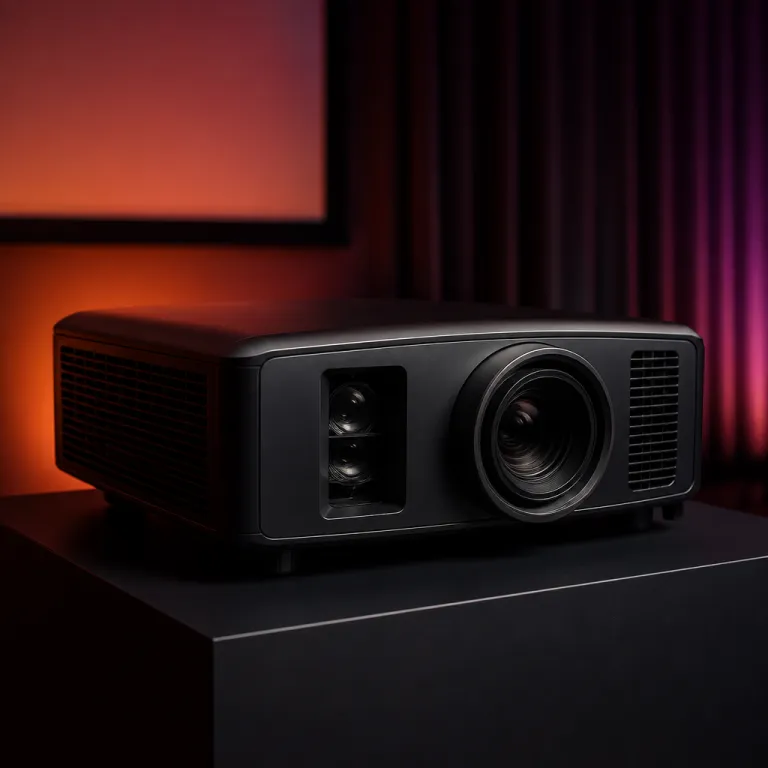
From luxury to living room: how RGB triple laser crashed the market
RGB triple laser used to be the preserve of five thousand dollar flagships. When the AWOL Vision Aetherion Pro arrived at a price of about 3 499 dollars, it signaled that this laser technology was finally stepping down from the boutique tier into serious enthusiast territory. Then the XGIMI MIRA RGB laser projector landed at roughly 1 699 dollars and turned that shift into a full scale price collapse, a change documented in both launch announcements and early review roundups that tracked the new pricing floor.
For a first time buyer planning a living room cinema, that price change matters more than any marketing slogan about laser lights or futuristic products. You are no longer choosing between a budget lamp projector and a wildly expensive triple laser projector, because the new standard is a realistic RGB laser product that competes directly with midrange single laser projectors on price. The result is that single laser light engines now feel like yesterday’s technology in the same way that lamp based models suddenly felt old when the first affordable laser projectors appeared, especially once reviewers began measuring wider color gamuts and more stable brightness on mainstream RGB units.
What changed is not only the sticker price but the value equation behind every delivery of a home cinema system. When a pure RGB laser light engine like the one in the XGIMI MIRA is rated by the manufacturer at around 110 percent of the BT.2020 color space (typically measured against the BT.2020 area in the CIE 1976 diagram), the old argument that you had to pay a premium for reference level color simply breaks. Independent reviews often report slightly lower real world coverage than brochure numbers, usually in the 95 to 105 percent BT.2020 area range depending on measurement method, but the market has quietly moved the bar for what a serious projector should do with color, contrast and laser projection brightness in a typical living room.
Triple laser means three discrete laser light sources for red, green and blue instead of a single blue laser exciting a phosphor wheel, and that shift has real consequences for image quality. You get purer red and green blue primaries, less contamination from the phosphor process, and a more linear response when you calibrate the projector for accurate color. In practice that means HDR movies graded for wide color gamuts finally look closer to what the mastering suite intended, instead of being squeezed into a smaller triangle of color on your wall, and side by side comparisons in lab tests make that difference easy to see even for non experts.
The other quiet benefit is the removal of some mechanical complexity from the light path, because there is no spinning phosphor wheel to introduce flicker or subtle artifacts. Many viewers are not consciously aware of these issues, but they do notice when motion looks cleaner and when bright highlights do not carry a faint halo of off color light. In a darkened room with a good screen, the difference between a solid RGB laser projector and a conventional single laser projector is not subtle once you have lived with both for a few weeks, especially if you are sensitive to rainbow artifacts or minor instability in fast moving scenes.
Of course, the engineering trade offs that kept triple laser expensive have not magically vanished, and they still shape what you should buy. Three high power laser diodes generate more heat, require more careful optics and can introduce speckle patterns on some surfaces, which is why many brands stayed with simpler laser light engines for so long. What has changed is that companies like AWOL Vision and XGIMI have decided that the benefits in color and perceived contrast are finally worth the extra cost at mainstream price points, especially now that manufacturing yields, optical alignment tolerances and speckle mitigation techniques have improved according to recent technical briefings and teardown style reviews.
What RGB triple laser actually changes on screen
When you sit down in your living room and hit the remote control, you do not think about iso lumens or color gamuts, you just want the movie to look right. Triple laser technology quietly works behind the scenes to push the projector closer to the standards used in commercial cinemas and professional mastering suites. The wider color coverage, higher brightness stability and cleaner laser light spectrum all contribute to that sense of cinematic ease, and independent measurements of RGB models consistently show tighter tracking of reference color targets than comparable single laser designs.
On a calibrated XGIMI MIRA RGB laser projector, the measured color gamut in independent tests extends beyond the DCI P3 standard and approaches the full BT.2020 triangle, although most reviewers report slightly under the headline 110 percent figure once they apply their own measurement methods. That means Dolby Vision and HDR10 content graded for wide color can actually show saturated neon signs, deep green forests and rich skin tones without clipping into cartoonish oversaturation. If you want to learn how different projectors handle advanced formats like Dolby Vision in practice, a detailed guide on Dolby Vision on projectors and which models handle it well can help you frame expectations before you buy, especially when it summarizes lab data such as measured peak brightness and tone mapping behavior.
Dolby Vision itself remains a bit of a minefield in the projector world, because very few models are fully certified for the format and many rely on tone mapping tricks. Some RGB laser projectors advertise Dolby Vision compatibility but still treat the signal as a variant of HDR10, which means the benefits of dynamic metadata are partially lost. When you compare products, look for clear statements about whether the projector is Dolby Vision certified or simply Dolby Vision capable, and do not pay extra for a logo that does not translate into visible gains confirmed by side by side tests or reviewer measurements.
Triple laser also changes how bright the image feels at a given iso lumens rating, because the pure primaries waste less energy outside the visible spectrum. A 1 600 iso lumens RGB laser projector like the XGIMI Elfin Flip 4K can punch well above its weight in a controlled living room, especially on a 100 inch screen with a decent ambient light rejecting surface. Independent reviewers often measure slightly lower brightness than the manufacturer’s ISO lumen claims, and some still quote ANSI lumen figures for comparison, but the subjective impact in a real room still feels strong when you match screen size and gain to the projector’s calibrated light output.
Color volume is another underappreciated benefit, because triple laser engines maintain saturation at higher brightness levels where single laser and lamp projectors often fade. Bright reds stay red instead of turning pink, and highlights in Dolby Vision or HDR10 scenes keep their hue instead of drifting toward white. Once you have seen fireworks, neon cityscapes or animated films on a good RGB laser projector, it becomes hard to go back to the flatter look of older technology, a point echoed in many long term owner reports and extended review comment sections.
There are still trade offs, and you should go in with open eyes rather than marketing driven expectations. Some triple laser projectors can show mild speckle on certain screen materials, especially smooth high gain surfaces, and you may need to experiment with screen choice or seating distance to minimize it. Heat and fan noise can also be slightly higher than on comparable single laser products, so pay attention to reviews that measure noise levels in real living rooms (often quoted in the low to mid 30 dB range at one meter in standard picture modes) rather than relying on optimistic spec sheets that only list best case eco settings.
UST, short throw and the new living room calculus
For many first time buyers, the real question is not lamp versus laser but whether to go with a traditional long throw projector or a laser UST projector that sits right under the screen. Ultra short throw designs use complex optics to project a huge image from just a few tens of centimeters away, which makes them ideal for multipurpose living rooms where ceiling mounting is not practical. The arrival of affordable RGB triple laser UST projectors has turned that niche into the default option for many households, especially in apartments and smaller homes where running long HDMI cables is inconvenient.
Models like the AWOL Vision Aetherion Pro and the XGIMI MIRA are laser UST designs that combine triple laser light engines with ultra short throw lenses, effectively turning a low profile box into a living room sized television replacement. When you place a UST projector on a low cabinet and pair it with a proper UST screen, you get a 100 to 120 inch image without running cables across the room or drilling into the ceiling. If you want to compare different short throw and ultra short throw options, a curated list of top short throw home theater projectors can give you a realistic sense of throw distances, brightness, room fit and measured contrast so you can match a specific model to your space.
These UST projector products are built for everyday use, which means they integrate streaming platforms, WiFi Bluetooth connectivity and sometimes even gaming friendly features. A smart 4K projector with WiFi 6, Bluetooth audio and auto focus can replace a separate streaming box and simplify your setup, as shown in detailed tests of smart 4K projectors with Google TV and Dolby Audio that log app performance and input lag. The key is to treat the streaming platform as a convenience feature rather than the main reason to choose one laser projector over another, because picture quality, input latency and placement flexibility will matter more over the long term.
Short throw and ultra short throw designs do impose some constraints that you should understand before you commit. Because the image is projected at a steep angle, any waves or imperfections in the wall become visible, which is why a dedicated UST screen is almost mandatory for a clean picture. You also need to be careful with ambient light, because even a bright RGB laser projector will struggle against direct sunlight hitting the screen from the side, and most lab measurements of contrast assume a dark or at least controlled viewing environment.
On the other hand, the convenience of placing the projector near your media cabinet, keeping cables short and using a simple remote control for everything is hard to overstate. Families who would never tolerate a ceiling mounted projector and dangling HDMI cables often find that a laser UST product fits seamlessly into their living room décor. When you add in the long lifespan of laser light sources, which can run for tens of thousands of hours without a lamp change, the total cost of ownership starts to look very reasonable compared with replacing a large television every few years.
One more angle to weigh is audio, because many UST projector models now integrate sound systems tuned for Dolby Audio or even virtual surround formats. While these built in speakers will not replace a dedicated Dolby Atmos system, they are often good enough for casual viewing and can be paired with external soundbars over HDMI ARC when you want more impact. The point is that a modern RGB laser UST projector is not just a picture device but a central product in your home entertainment stack, and you should evaluate it with that broader role in mind, ideally using a simple checklist that covers picture, sound, connectivity and room integration.
Should you buy now or wait for the next price drop ?
The hardest question for many readers is timing, because the pace of change in RGB laser pricing makes it tempting to wait forever. When a technology that cost more than five thousand dollars not long ago suddenly appears in a 1 699 dollar living room projector, it is natural to assume that another big drop is just around the corner. The launch of the XGIMI Elfin Flip 4K with an RGB laser engine at about 999 dollars and 1 600 iso lumens only sharpens that dilemma, especially when early lab tests confirm that its measured brightness is close to those claims in standard picture modes.
Here is the uncomfortable truth for anyone trying to plan a purchase window for a new projector. The move from the AWOL Vision Aetherion Pro at roughly 3 499 dollars to the XGIMI MIRA at 1 699 dollars likely represents the major structural shift, not the start of an endless slide toward free hardware. Component costs for triple laser engines, precision optics and high quality UST lenses do not fall to zero, and brands still need margin to support firmware updates, warranty service and reliable delivery logistics, all of which are repeatedly highlighted in earnings calls and industry analyst reports.
If your current setup is a lamp based projector or an entry level single laser model, stepping up to a modern RGB laser projector now will feel like a generational leap in both color and everyday usability. You gain instant on behavior, stable brightness over the life of the product and a much wider color gamut, all of which make movie nights feel more like a real cinema experience. Waiting another year might save a few hundred dollars, but it will also delay that upgrade in your living room for dozens of weekends and hundreds of viewing hours that could already be taking advantage of the new light engine.
On the other hand, if you already own a solid single laser projector with decent brightness and acceptable color, the case for an immediate upgrade is less clear. You might choose to wait for the next wave of products that combine RGB triple laser with higher native contrast, better black levels and more consistent Dolby Vision handling. In that scenario, your money buys not just a new light source but a genuinely better overall projector, rather than a sideways move driven mainly by the allure of new technology or a slightly wider color gamut.
Whichever path you choose, focus on the whole system rather than chasing specs in isolation, because a balanced setup will outlast any single product cycle. Budget for a proper screen, think about seating distance, consider whether a UST projector or a traditional short throw design fits your room, and do not forget audio. In the end, what matters is not the lumens on the box, but the last row on movie night, so use a simple buying checklist that covers brightness, throw distance, noise, color performance, HDR handling and sound before you commit.
Key figures shaping the RGB triple laser projector market
- RGB triple laser projectors like the XGIMI MIRA are advertised at around 110 percent of the BT.2020 color space, compared with roughly 85 to 90 percent coverage for many single laser phosphor projectors, which translates into visibly richer HDR color in real content (figures based on manufacturer specifications and cross checked against independent review measurements that often land slightly lower but still well ahead of single laser rivals).
- The AWOL Vision Aetherion Pro launched at about 3 499 dollars while the XGIMI MIRA arrived at roughly 1 699 dollars, cutting the effective entry price for a 4K RGB triple laser UST projector by more than 50 percent within a single product cycle according to public launch information from both brands and price tracking data from major retailers.
- Portable RGB laser projectors such as the XGIMI Elfin Flip 4K are rated at around 1 600 iso lumens at a price near 999 dollars, showing that triple laser light engines are already entering the sub 1 000 dollar segment in compact form factors based on the company’s launch data and early lab tests that report similar calibrated brightness.
- Typical laser light source lifespans are rated between 20 000 and 30 000 hours to half brightness, which means that a viewer watching four hours per day can expect more than ten years of use before significant dimming, according to multiple major projector manufacturers and long term endurance testing published in review lab summaries.
- Ultra short throw projectors can produce 100 inch images from distances of roughly 20 to 30 centimeters, allowing them to replace large televisions in living rooms where ceiling mounting is not practical, as documented across current UST product specifications and independent throw distance measurements that verify those figures in real rooms.