

Understanding subwoofer crossover and its role in home theater
Why Subwoofer Crossover Matters in Your Home Theater Experience
When building a home theater projector setup, most people focus on the screen size, projector specs, and surround sound. But the subwoofer crossover is just as important if you want your sound system to deliver deep, impactful bass that matches the visuals. The crossover is the point where your system decides which frequencies go to your subwoofer and which stay with your regular speakers. Set it right, and you’ll get a seamless blend of upper bass and low frequency effects. Set it wrong, and you might lose out on the full range of sound your system can deliver.
How the Crossover Works in a Home Theater System
The crossover frequency is measured in hertz (Hz) and determines the cutoff point for your subwoofer. Frequencies below this point are sent to the subwoofer, while higher frequencies go to your main speakers. For example, if you set the crossover at 80 Hz, your subwoofer will play everything below that, handling the deep bass and low rumbles that make movies sound good. The rest of the speakers handle the mids and highs, ensuring clarity and detail.
- Subwoofer crossover settings can be adjusted on your AV receiver or directly on the subwoofer itself.
- Matching the crossover to your speaker’s frequency response is key for a smooth transition between the subwoofer and speakers.
- Some subwoofers, like the SVS Ultra, offer advanced controls for fine-tuning the freq response and power output.
What to Look for When Comparing Subwoofer Specs
When you read reviews or compare models, pay attention to the frequency range, driver size, and power handling. The best subwoofer for your system set will have a wide frequency response and enough power to fill a long wide room. Price and star ratings are helpful, but specs tell you how well the subwoofer will integrate with your sound system.
- Check the crossover frequency range to see if it matches your speakers.
- Look for a subwoofer system with a driver that can handle low frequencies without distortion.
- Consider the size of your room and how much bass you want to feel during movies or music playback.
For a deeper dive into connecting your sound system components, including HDMI and coax solutions, you can read this guide on projector audio connections.
How projector room acoustics affect your subwoofer crossover
Room Shape and Size: The Foundation of Bass Response
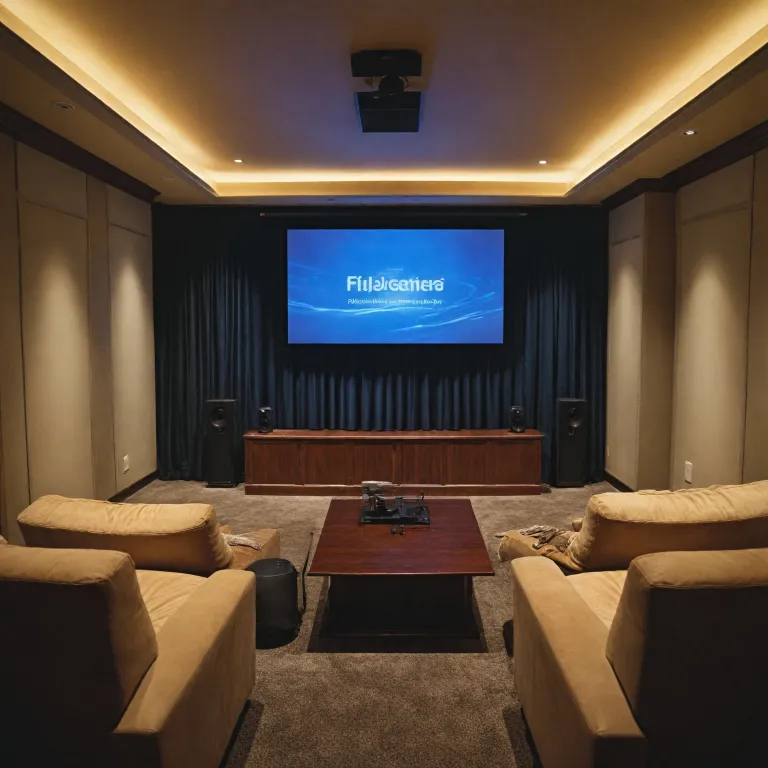
When setting up your home theater projector system, the room itself plays a huge role in how your subwoofer crossover will perform. The shape and size of your space—whether it’s long, wide, or more compact—directly affect how low frequency sound waves travel and interact. A larger room often requires more power from your subwoofer to fill the space with deep, even bass. Smaller rooms, on the other hand, can sometimes exaggerate certain frequencies, making the bass sound boomy or uneven. Always check the specs of your subwoofer and match them to your room’s dimensions for the best sound quality.
Materials and Furnishings: Impact on Frequency Response
Hard surfaces like bare walls, tile floors, and large windows reflect sound, while soft furnishings—curtains, carpets, and sofas—absorb it. This balance influences your system’s frequency response, especially in the upper bass and low frequency ranges. Too many reflective surfaces can cause echoes and muddle the clarity of your bass. If you want your subwoofer to sound good and deliver accurate bass, consider adding some soft materials to your room. This will help you find the right crossover frequency and improve overall sound quality.
Speaker Placement and Subwoofer Positioning
Where you place your subwoofer and speakers in relation to your projector screen and seating area will affect how well the bass integrates with the rest of your sound system. Placing your subwoofer too close to a wall or corner can boost the bass, but sometimes at the cost of clarity. Experiment with different positions to find the sweet spot where the subwoofer system blends smoothly with your main speakers, especially in the full range and upper bass frequencies.
Room Modes and Standing Waves
Every room has certain frequencies that resonate more than others, known as room modes. These can cause some bass notes to sound louder (peaks) or softer (nulls) depending on where you sit. Learning about your room’s freq response can help you set the right subwoofer crossover and avoid these issues. Calibration tools and test tones are useful for identifying problem areas, but even regular listening can reveal if your bass sounds uneven.
Matching Crossover Settings to Room Acoustics
Understanding how your room affects sound will help you choose the best crossover frequency for your system. For example, a room with lots of absorption might let you set a lower crossover, while a reflective room could benefit from a slightly higher setting. Always read the specs of your subwoofer and speakers, and don’t be afraid to experiment. If you’re using a model like the SVS Ultra, check its frequency range and power handling to match your room’s needs.
- Check your subwoofer’s driver size and power rating to ensure it will play well in your room.
- Review frequency response charts to see how your system set will perform in your space.
- Compare price and stars (ratings) to find the best subwoofer for your setup.
For more on optimizing your sound system, read about choosing the right 12ga speaker cable for your home theater projector setup. The right cable can make a difference in how your subwoofer and speakers deliver clean, powerful bass.
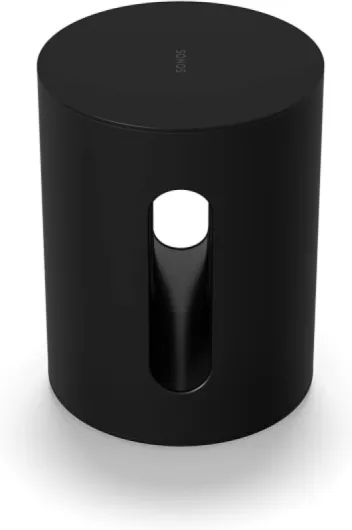
- + Compact design
- + Wireless connectivity
- + Single unit for easy setup

Choosing the right crossover frequency for your system
How to Match Crossover Frequency with Your Speakers and Subwoofer
Getting the crossover frequency right is key to making your home theater projector system sound good. The crossover is the point where your subwoofer takes over from your main speakers, handling the deep bass while the speakers focus on mids and highs. If you set the crossover too high, your subwoofer will play sounds it’s not designed for, making the upper bass muddy. Too low, and you’ll lose out on the full range of bass your system can deliver.
- Check the specs: Start by reading the frequency response of your main speakers. Most regular bookshelf or satellite speakers have a lower frequency limit between 80Hz and 120Hz. The best subwoofer will usually go much lower, sometimes down to 20Hz.
- Find the right crossover frequency: A common rule is to set the subwoofer crossover about 10Hz above the lowest frequency your main speakers can handle well. For example, if your speakers are rated down to 80Hz, set the crossover at 90Hz. This helps the system set a smooth transition, avoiding gaps or overlaps in the sound.
- Consider your subwoofer’s power and driver size: Larger, more powerful subs like the SVS Ultra can handle lower frequencies with more authority. Smaller subs may need a slightly higher crossover to avoid distortion.
- Room size and layout: In a long wide room, bass response can be tricky. You may need to experiment with the crossover to get even sound throughout your view area. Room acoustics, as discussed earlier, play a big role in how the bass sounds.
Why the Right Crossover Matters for Sound Quality
Choosing the correct crossover frequency impacts the overall sound quality of your surround sound system. If set properly, you’ll get tight, punchy bass from your subwoofer system and clear mids and highs from your speakers. This balance is crucial for movie soundtracks, music, and even gaming. The right crossover also helps your system handle dynamic scenes without strain, letting each driver work within its best frequency range.
For more on understanding your home theater’s performance, read about key home theater signs that can help you learn what to look for in your projector setup.
| Speaker Type | Typical Freq Response | Suggested Crossover |
|---|---|---|
| Bookshelf | 60Hz – 20kHz | 70-80Hz |
| Satellite | 100Hz – 20kHz | 110-120Hz |
| Floorstanding (Full Range) | 40Hz – 20kHz | 50-60Hz |
Remember, specs and price can give you an idea of what to expect, but your ears and room will always be the final judge. Take time to experiment and listen to different crossover settings to find what sounds best in your space. Regular calibration and careful setup will help you get the most out of your subwoofer crossover and sound system.
Common mistakes to avoid when setting your subwoofer crossover
Frequent Pitfalls When Adjusting Your Subwoofer Crossover
When setting up a subwoofer crossover in your home theater projector system, it’s easy to make mistakes that can impact your sound quality and overall experience. Here are some common errors to watch out for:- Setting the crossover frequency too high or too low: If your crossover frequency is set too high, your subwoofer will play upper bass notes that your main speakers could handle better, leading to muddy sound. Too low, and you’ll have a gap in the frequency response, losing some of the bass impact.
- Ignoring the specs of your speakers: Always check the frequency range and freq response of your main speakers. The crossover should be set just above the lowest frequency your speakers can handle well. For example, if your speakers are rated down to 60 Hz, a crossover around 80 Hz is a regular recommendation.
- Overlooking room acoustics: The size and shape of your room, as well as where you place your subwoofer and projector, can affect how bass sounds. Long wide rooms may need different crossover settings than smaller, enclosed spaces. Not considering this can lead to uneven bass or weak response.
- Not using calibration tools: Relying only on your ears can be misleading. Calibration tools help you find the best subwoofer crossover point for your system set, ensuring a smoother transition between your subwoofer and speakers.
- Forgetting about phase and polarity: If your subwoofer is out of phase with your main speakers, you’ll lose bass power and clarity. Make sure to check phase settings during setup.
- Chasing specs over sound: It’s tempting to focus on the best subwoofer specs, price, or star ratings, but what matters most is how your subwoofer system sounds in your room with your projector setup. Read reviews, but trust your own experience as well.
How These Mistakes Affect Your Home Theater Experience
Getting the crossover wrong can result in a sound system that lacks punch, has boomy or thin bass, or doesn’t blend well with your surround sound. You might notice that dialogue is less clear, or that action scenes lack the impact you expect from a top posts–worthy setup. The best subwoofer and speakers will only sound good if the crossover is set correctly. To learn more about how room acoustics and speaker placement influence your subwoofer crossover, you can read up on connecting speakers to amplifiers for home theater enthusiasts, which covers related topics in detail. By avoiding these regular pitfalls and taking the time to learn about your system’s frequency response and specs, you’ll be on your way to a more immersive and powerful home theater experience.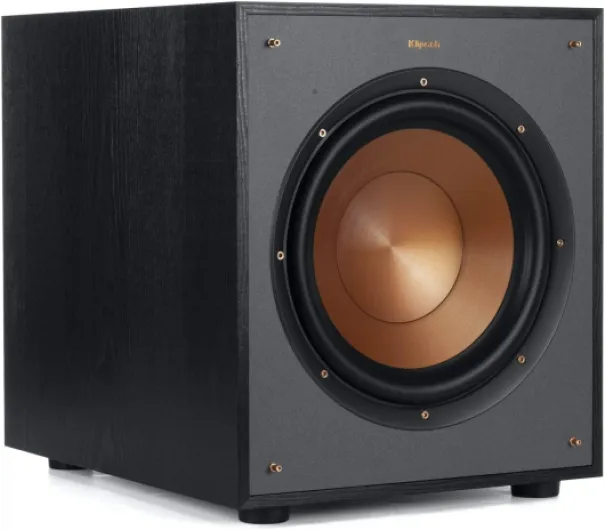
- + Incredibly Deep Bass
- + All-digital Amplifier
- + Compact Size
Fine-tuning your subwoofer crossover with calibration tools
Using Calibration Tools for Accurate Crossover Settings
Getting the subwoofer crossover right in your home theater projector system is not just about picking a number. Calibration tools help you find the best crossover frequency for your room and equipment. These tools measure the frequency response of your system, showing you how well your subwoofer and speakers handle bass and upper bass. With this data, you can adjust the crossover so the sound is smooth and the system set delivers the best possible sound quality.
- Room correction software (like Audyssey, Dirac, or YPAO) analyzes your room’s acoustics and suggests a crossover frequency that matches your speaker and subwoofer specs.
- Measurement microphones and apps let you see the actual freq response in your listening position. This helps you spot dips or peaks in the frequency range and adjust accordingly.
- Manual test tones can be played through your sound system to check for gaps or overlaps between your main speakers and subwoofer driver.
What to Look for When Fine-Tuning
When you calibrate, pay attention to how the subwoofer blends with your main speakers. The goal is for bass to sound full and natural, without a sudden jump or drop as the crossover hands off from speaker to subwoofer. If you notice the low frequency bass is too strong or weak, adjust the crossover frequency a few Hz at a time and re-measure. Remember, the best subwoofer for your setup will play cleanly in the chosen frequency range, matching your speakers’ capabilities.
| Calibration Tool | What It Does | Why It Matters |
|---|---|---|
| Room Correction Software | Analyzes and sets crossover automatically | Ensures smooth sound transition |
| Measurement Microphone | Measures actual frequency response | Shows real-world system performance |
| Manual Test Tones | Lets you listen for gaps or overlaps | Helps you learn what sounds good |
Don’t forget to check your subwoofer specs and price range. Some models, like the SVS Ultra, offer advanced controls for crossover and freq response shaping. Others may be more basic, but with careful calibration, even a regular subwoofer system can sound great in a long wide room or a compact space. Always read reviews and look at stars from other users to see how a subwoofer will perform in a surround sound setup.
Real-world examples: subwoofer crossover settings for different projector setups
Different setups, different crossover needs
When it comes to subwoofer crossover settings in home theater projector systems, there’s no one-size-fits-all answer. The right frequency and setup will depend on your speakers, room size, and the type of sound system you’re using. Below are some real-world scenarios to help you learn how to find the best subwoofer crossover for your own system.
| Setup Type | Speaker Specs | Recommended Crossover Frequency | Notes on Sound Quality |
|---|---|---|---|
| Compact bookshelf speakers + subwoofer | Freq response: 60Hz–20kHz | 80Hz | Lets the subwoofer handle deep bass, improves upper bass clarity, and prevents small drivers from distorting at high power. |
| Full range floorstanding speakers + subwoofer | Freq response: 40Hz–20kHz | 60Hz | Lower crossover frequency allows the main speakers to play more bass, blending smoothly with the subwoofer system for a balanced sound. |
| Satellite speakers (small) + subwoofer | Freq response: 100Hz–20kHz | 100Hz–120Hz | Higher crossover is needed since these speakers can’t reproduce low frequency well. The subwoofer will play a bigger role in the overall sound. |
| SVS Ultra surround sound system | Freq response: 45Hz–32kHz | 70Hz–80Hz | With powerful drivers and wide frequency range, a regular crossover setting in this range ensures tight bass and seamless integration. |
What you can learn from these examples
- Check your speaker specs for frequency response. This helps you set the crossover frequency so your subwoofer system and speakers work together, not against each other.
- Don’t just set the crossover low because you have a powerful subwoofer. The goal is to match the crossover to your speakers’ lower limit for the best sound quality.
- Room size and layout matter. A long wide room may need a slightly higher crossover to fill the space with bass, while a smaller room can sound good with a lower setting.
- Always use calibration tools if possible. They help you fine-tune the crossover and balance the bass response for your specific view and listening position.
Remember, the price of your subwoofer or speakers doesn’t guarantee the best sound. It’s about how well your system set is matched and tuned. Read reviews, compare frequency range, and experiment with crossover settings to find what works for your home theater projector setup. Top posts and forums can also offer insight into what’s working for others with similar systems.