
Hisense XR10 projector brightness: 6,000 ANSI lumens in the real world
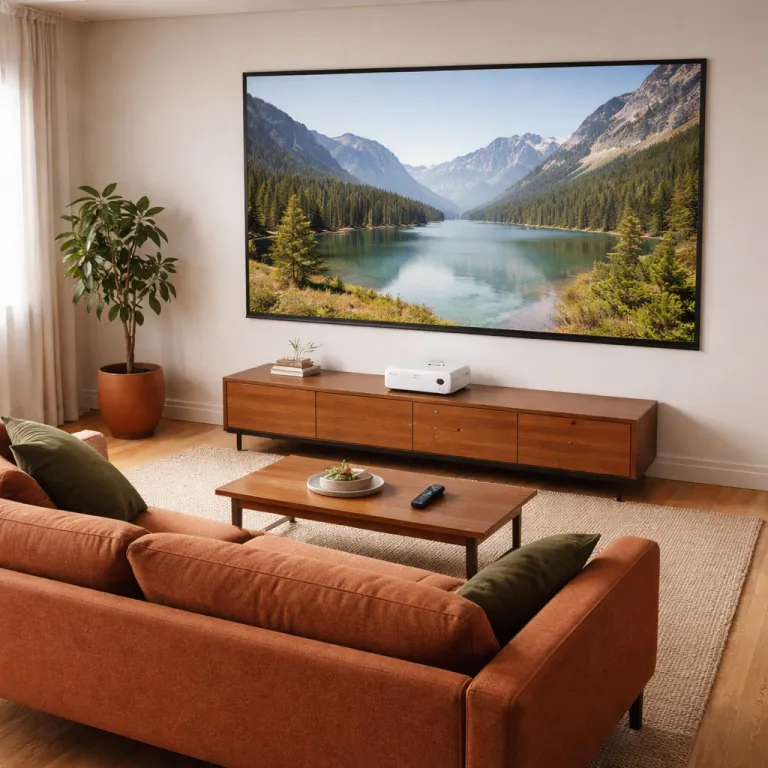
The Hisense XR10 projector pushes a headline figure of 6,000 ANSI lumens, which is the highest brightness yet claimed for a consumer home theater projector. On a 120 inch screen in a typical living room with blinds half closed, that level of brightness from a pure RGB triple laser light source translates into roughly 150 to 200 nits on screen, which is closer to a mid range television than a classic dim UST projector. In practice, that means sports and TV remain watchable in daylight, but the picture still loses perceived contrast when strong side light hits the ultra short throw projection surface.
Hisense positions this laser projector as the flagship of its LPU 3.0 Digital Laser Engine line, using a triple laser architecture that aims to keep brightness high without blowing out color accuracy or shrinking the usable color gamut. Compared with older Hisense triple laser engines, LPU 3.0 is designed to drive more efficient light output while controlling speckle and maintaining stable white balance, which matters when you push a smart projector this hard. The company also talks about refined liquid cooling for the laser smart engine, a necessary step when you run a compact ultra short chassis at sustained high brightness for long movie sessions.
On paper, 6,000 ANSI lumens sounds like a simple win for every buyer, yet brightness is only half the story for a home theater projector. Native contrast and effective dynamic contrast still determine whether HDR movies look punchy or washed out, especially when you stretch the image to 300 inches as Hisense suggests for the XR10 projector. Even with a claimed pro grade light source and advanced lens design, you still need a controlled room and an ambient light rejecting UST projector screen to see the full benefit of Dolby Vision and other vision HDR formats.
In a sunlit room, the Hisense XR10 projector will absolutely overpower many competing UST projector models on sheer brightness, but it cannot fully cancel the laws of physics. Ambient light lifts the black floor, so even a laser projector with 6,000 ANSI lumens will show greyer blacks and reduced perceived contrast unless you dim the lights. For daytime viewing of news, gaming and casual streaming, that trade off is acceptable, while for critical HDR film nights you will still want curtains drawn and lights off to let the ultra short throw optics and wide color gamut breathe.
Hisense has not yet confirmed a final price for the XR10 projector, though its position above current Hisense Pro and PX series models suggests a premium tier. Buyers should expect a price ladder where the PX4 PRO and similar Hisense Pro units remain the more affordable short throw and UST projector options, while the XR10 projector sits as the halo product for enthusiasts who value brightness and a robust laser smart platform. For those comparing projector review data, the key is to look beyond the sale Hisense marketing numbers and focus on calibrated brightness, real world contrast and long term stability of the triple laser light source.
LPU 3.0 engine, triple laser design and HDR trade offs
The LPU 3.0 Digital Laser Engine inside the Hisense XR10 projector is built around a pure RGB triple laser array, which avoids the color wheel losses and rainbow artifacts of many DLP based competitors. By driving separate red, green and blue lasers, Hisense can target a wider color gamut, potentially approaching or exceeding Rec. 2020 coverage, while still delivering the headline 6,000 ANSI lumens. That combination is rare in a smart projector, because most ultra short designs sacrifice either brightness or color volume once calibrated for accurate skin tones and shadow detail.
Hisense pairs this triple laser engine with refined liquid cooling, which should help the XR10 projector maintain consistent brightness and color over long sessions without thermal throttling. In earlier Hisense triple laser models, extended HDR playback could lead to gradual brightness roll off, so better thermal management is a practical upgrade rather than a marketing flourish. Liquid cooling also matters for acoustic comfort, because a cooler light source allows slower fan speeds, which keeps the audio output from built in speakers clearer during quiet scenes.
On the HDR side, the Hisense XR10 projector supports formats such as Dolby Vision and other vision HDR standards, but the real test will be tone mapping at this brightness level. A 6,000 lumen laser projector can easily clip highlights if the processing is tuned for showroom impact instead of reference home cinema, especially on a 120 inch ultra short throw screen. Buyers should look for a detailed projector review that measures EOTF tracking, peak highlight handling and shadow detail retention, rather than relying on a single glowing review or a quick in store demo.
Compared with the Hisense PX4 PRO, which targets a more balanced mix of price, brightness and contrast, the XR10 projector feels like a pro oriented experiment in how far you can push a UST projector in a living room. The PX4 PRO and similar Hisense Pro units will likely remain the safer choice for buyers who prioritize black level and quiet operation over raw brightness. For readers comparing triple laser models, it is worth studying lab tests of other RGB designs such as the compact trichroma mini laser projector covered in this detailed trichroma laser projector review, because they highlight how different engines juggle brightness, color and noise.
Lens characteristics also matter at this brightness, even on an ultra short design where classic lens shift is limited or absent. The Hisense XR10 projector relies on precise factory alignment of its fixed lens and short throw optics, so placement accuracy on the cabinet becomes critical to avoid geometric distortion at the edges of the screen. Buyers used to long throw projectors with generous lens shift will need to adjust expectations, because ultra short and ultra short throw designs trade mechanical flexibility for living room friendly placement against the wall.
Who the Hisense XR10 projector is for, and when brightness is not enough
For an AV enthusiast upgrading from a 1080p lamp projector, the Hisense XR10 projector promises a dramatic jump in brightness, smart features and HDR capability. The integrated smart projector platform with streaming apps, voice control and network features reduces the need for external boxes, though many buyers will still pair it with a dedicated streamer for best app support. If you want a single box solution that can throw a 120 inch image in a bright multipurpose room, this ultra short laser smart design is clearly aimed at you.
However, brightness alone does not solve every ambient light problem, especially if your room has white walls and no light control. Even a 6,000 lumen UST projector will see its effective contrast crushed when daylight bounces around the room and washes over the screen, so an ambient light rejecting surface and some basic curtains remain essential. In that sense, the XR10 projector is less a magic bullet and more a powerful tool that still needs a sympathetic environment to show what its triple laser light source can really do.
Price and sale timing will determine how many buyers can justify stepping up from the PX4 PRO and other Hisense Pro models. If the XR10 projector lands at a significantly higher price, it will appeal mainly to enthusiasts who understand why a pro grade laser projector with advanced liquid cooling, wide color gamut and strong HDR processing matters for long term use. Those more focused on value may prefer to bundle save by pairing a mid range UST projector with a good screen, especially when a seasonal sale Hisense promotion or a bundle offer lets them save money for better audio output.
For shoppers still exploring the basics of home cinema, it can help to compare the XR10 projector with more modest smart projector options, such as the compact models tested in this Google TV portable projector review. Those smaller units show what you gain and what you lose when you move from portable designs to a heavy ultra short flagship with a triple laser light source. They also highlight how features like Wi Fi, Bluetooth and flexible audio output can matter as much as raw ANSI lumens for some households.
Readers who care primarily about streaming quality and official app support may also want to look at the Netflix certified 4K models covered in this Dolby Audio smart 4K projector review, then weigh those strengths against the raw power of the Hisense XR10 projector. In the end, the right projector is not the one with the biggest lumen number on the box, but the one that still looks cinematic from the last row on movie night.