Throw distance, room size, and choosing between standard and ultra short throw
Before comparing brands like BenQ, Optoma, Epson Home, or XGIMI Horizon, you need to understand throw distance. The throw of a projector describes how far it must sit from the screen to create a given image size, and different throw projectors or short throw projectors suit different rooms. Standard throw projectors usually sit several metres from the screen, while ultra short throw projectors can sit just centimetres away and still fill a large home cinema wall.
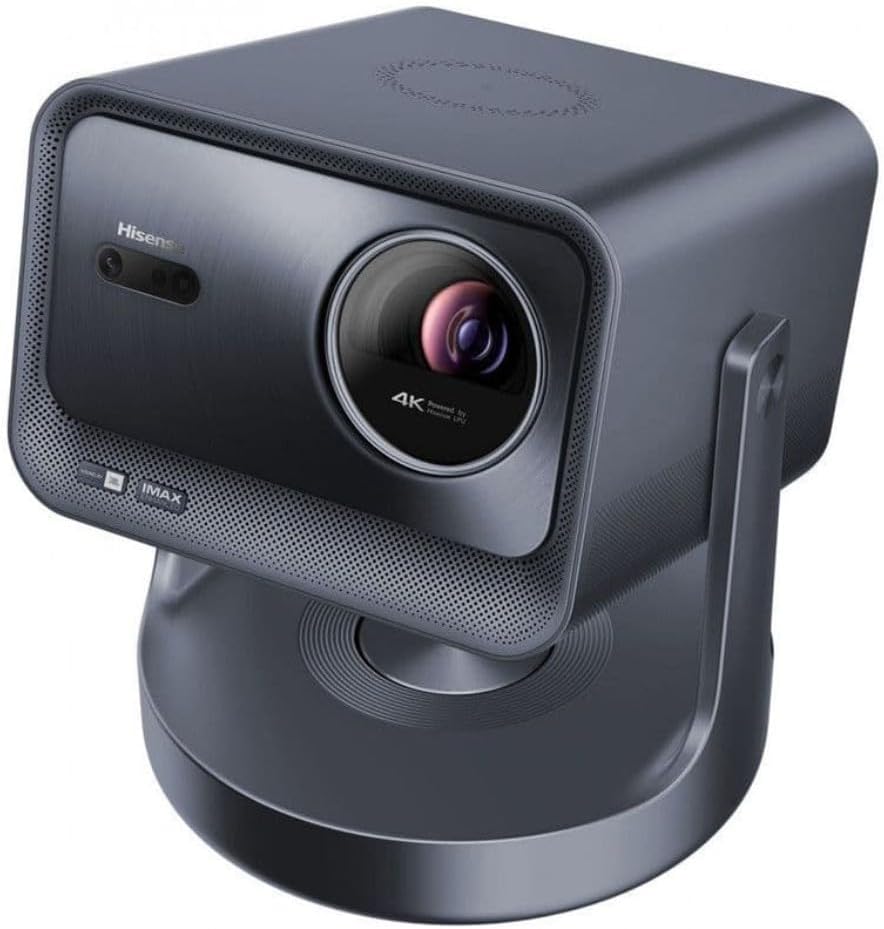
In compact apartments, ultra short throw projectors and ultra short throw theater projectors best solve the problem of limited space. A model like the Epson Lifestudio Grand EH LS970, an Epson Home flagship, can project a huge image from very close, turning a simple white wall into a bright home theater screen. These ultra short throw projectors reduce shadows and cable clutter, although they often come at a higher price and demand a perfectly flat screen surface for ideal picture quality.
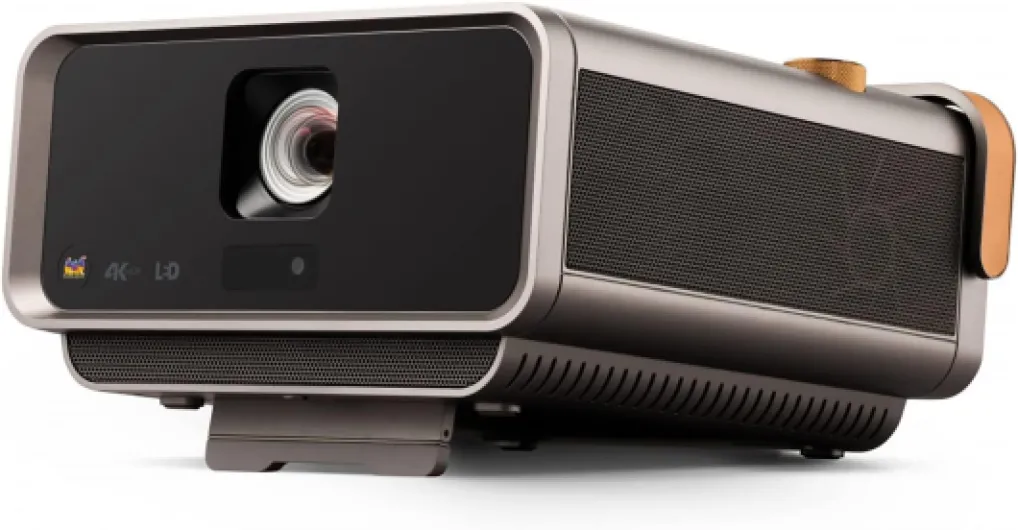
Standard throw projectors from BenQ or Optoma remain the best choice for many dedicated home theater rooms. They often provide better lens shift, zoom range, and flexible placement, which helps you align the image with fixed projector screens without resorting to digital keystone that can soften detail. For readers exploring smart portable projector options for mixed use, this guide to compact home cinema projectors shows how throw, brightness, and portability intersect in real living spaces.
Brightness, ANSI lumens, and managing light in a real home
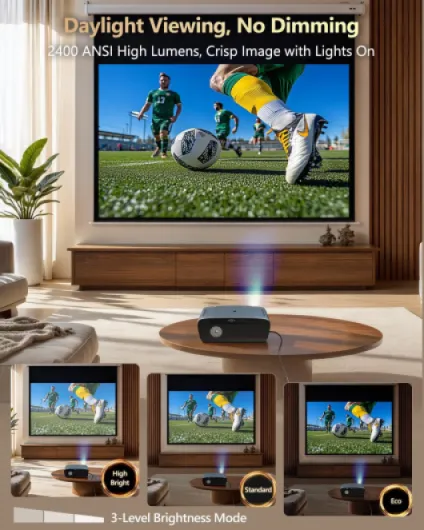
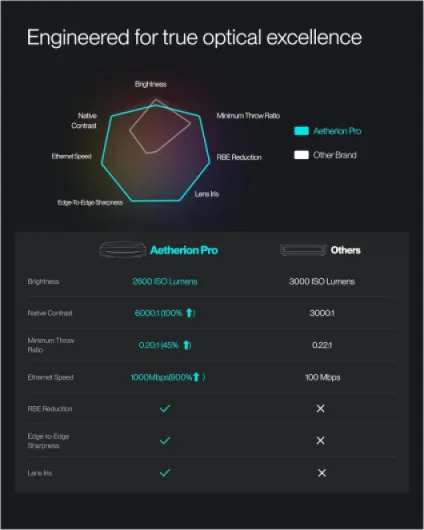
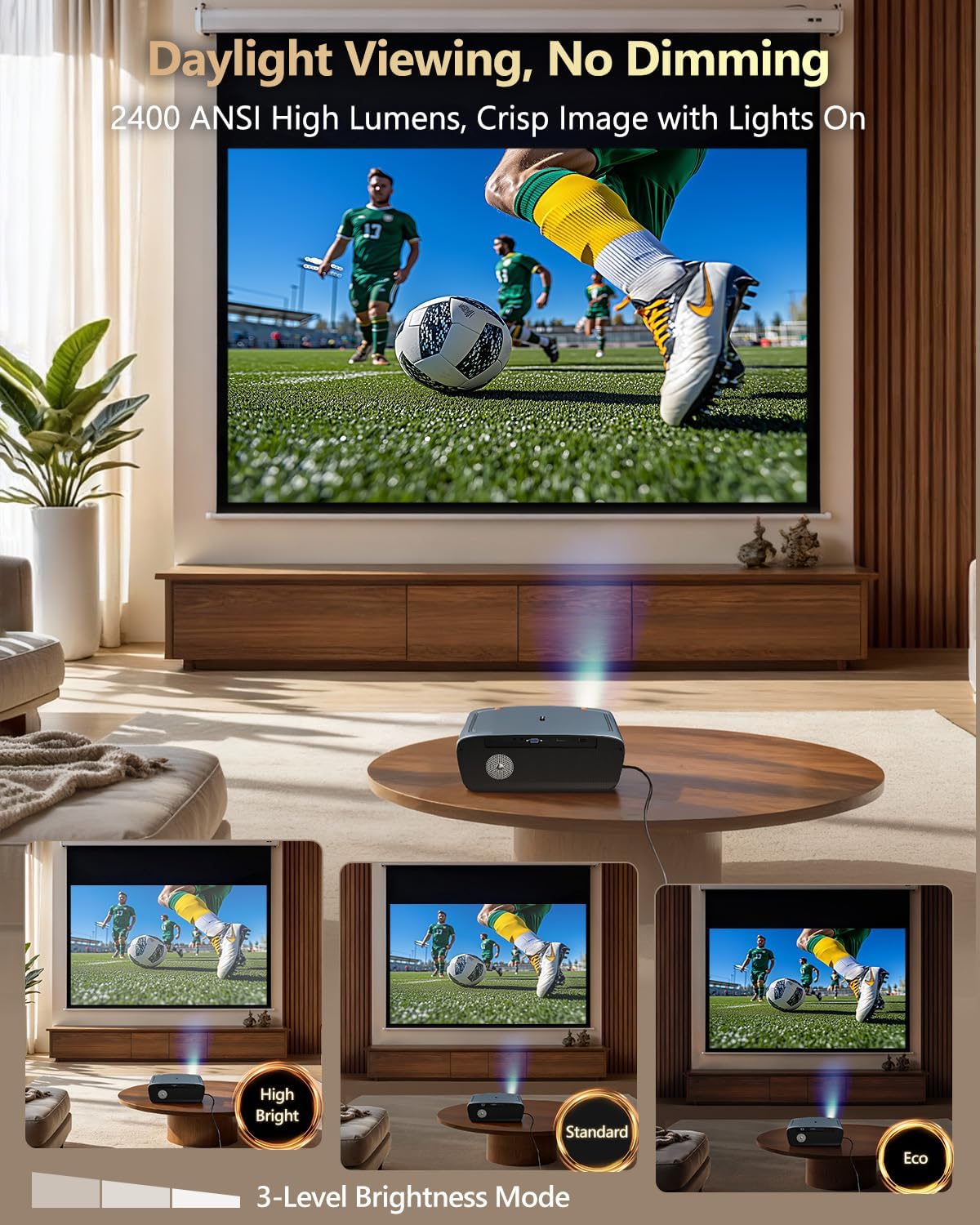
Brightness is one of the most misunderstood aspects of the best 4K UHD home theater projectors. Manufacturers quote lumens or ANSI lumens, yet the usable brightness on your screen depends on room light, screen gain, and image size. A projector with 2200 lumens can look stunning in a dark home theater, while a brighter 4000 ANSI lumens model may still struggle in a sunlit home living room.
Laser projectors such as the LG HU810PW or Epson EH LS970 maintain brightness more consistently over time than lamp based projectors. Their dual laser or single laser light source delivers stable color and high contrast ratio, which helps HDR content retain specular highlights and deep shadows. When you compare projectors best suited for mixed use, consider whether you can dim the light in your home or whether you need extra lumens to overcome daylight on your projector screens.
Short throw and ultra short throw projectors also interact differently with ambient light because they often pair with specialised ALR screens. These screens reject light from certain angles, improving perceived contrast ratio and picture quality in bright rooms. For bedroom setups or flexible spaces, a bright portable projector with at least 700 to 1200 ANSI lumens, such as those analysed in this in depth test of a 4K smart bedroom projector, can balance comfort, image size, and energy efficient light output.
Color accuracy, HDR formats, and real world picture quality
When evaluating the best 4K UHD home theater projectors, color performance matters as much as raw brightness. A projector with carefully tuned color reproduction can render skin tones, landscapes, and dark scenes with a natural look that feels closer to a professional cinema. Models from BenQ, Optoma, and Epson Home often emphasise calibrated color modes that respect filmmaker intent rather than chasing oversaturated images.
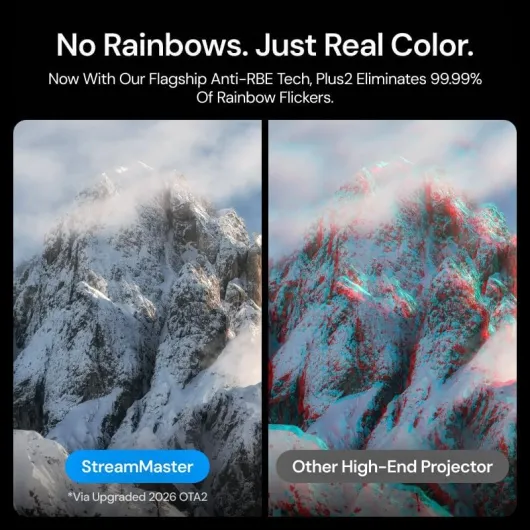
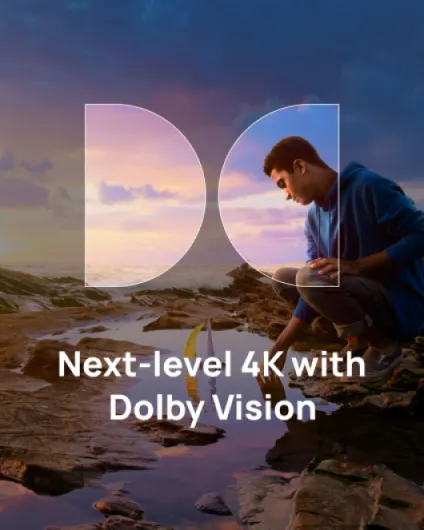
HDR support is another pillar of picture quality in modern theater projectors. Many high end projectors now handle HDR10, while some also support Dolby Vision through external streaming devices or specific firmware paths, although implementation varies widely. The phrase “Epson's latest flagship UST projector promises a huge, bright and sharp picture with Bose tuned sound to match” underlines how manufacturers increasingly combine HDR, audio, and smart platforms to create integrated home theater solutions.
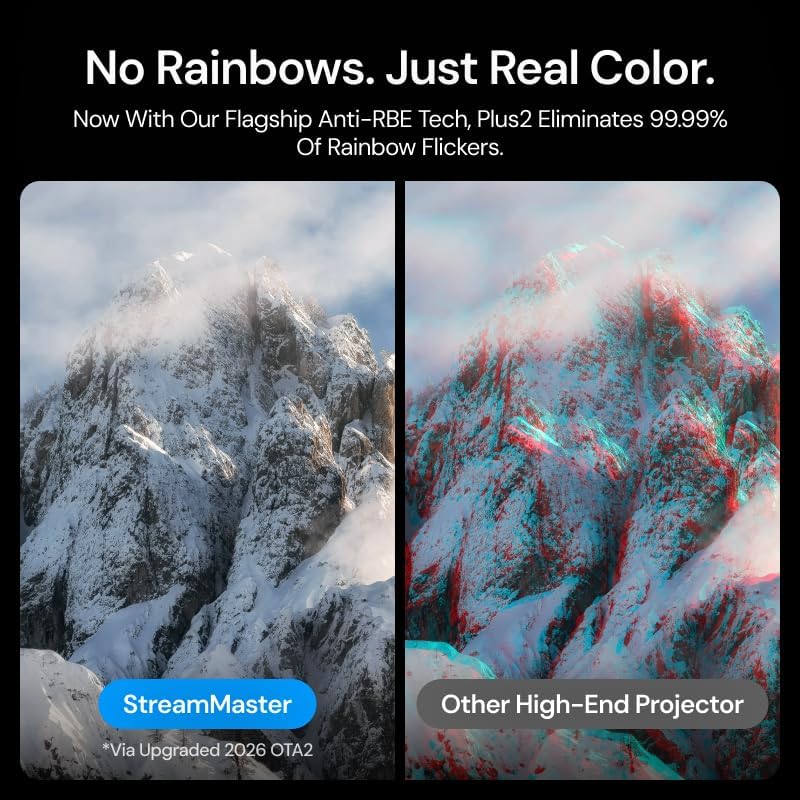
Laser light sources help HDR content because they can modulate light output more precisely than lamps, improving effective contrast ratio. Dual laser designs, such as those in certain LG and Optoma models, expand the color gamut and maintain high brightness for HDR highlights without washing out black levels. For buyers comparing projectors best suited to cinematic viewing, it is wise to prioritise accurate color modes, robust HDR tone mapping, and a screen size that keeps the image within the projector’s optimal brightness envelope.
Comparing flagship models from LG, Optoma, Epson, and BenQ
Several current models illustrate how different brands interpret the idea of the best 4K UHD home theater projectors. LG’s HU810PW is a standard throw laser projector with 2700 lumens, a dual laser light source, and a quoted 2 000 000:1 contrast ratio, aimed at enthusiasts who want a flexible home theater with smart streaming built in. Its throw ratio and generous lens shift make it easier to integrate into existing rooms without moving furniture or rebuilding projector screens.
Optoma’s UHZ58LV takes a more performance driven approach with 3000 lumens, a dual laser light source, and a very low input lag that appeals to both cinema and gaming. This Optoma projector supports high refresh rates, which can benefit fast sports or action content, while still targeting accurate color for serious home cinema use. BenQ’s HT3560, by contrast, uses a traditional lamp light source with 2200 lumens and focuses on calibrated color and film friendly picture modes at a more accessible price.
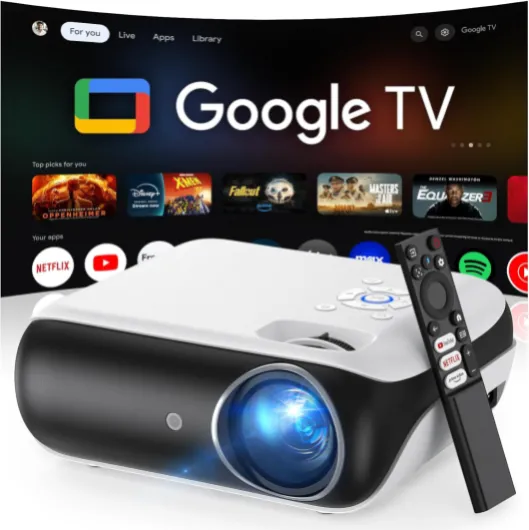
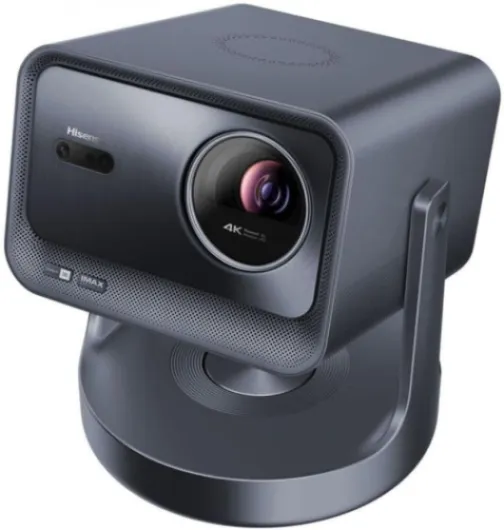
At the premium end of ultra short throw projectors, the Epson Lifestudio Grand EH LS970 stands out with 4000 lumens, a laser light source, and integrated Bose tuned audio for a living room friendly home theater. Its ultra short throw design allows a huge image from just centimetres away, ideal for homes where ceiling mounting is impractical. For readers comparing portable projector options with Dolby Vision or HDR10, this detailed review of a Netflix ready HDR10 portable projector shows how compact designs are narrowing the gap with full size theater projectors.
Balancing price, installation, and long term ownership
Choosing among the best 4K UHD home theater projectors ultimately means balancing price, installation complexity, and long term costs. Laser projectors usually carry a higher initial price than lamp based projectors, yet their long light source life and stable brightness can reduce maintenance over the projector’s lifespan. For many homes, a mid range standard throw projector with solid brightness and good contrast ratio offers the best compromise between performance and affordability.
Installation details such as throw distance, lens shift, and screen size affect both picture quality and day to day usability. Short throw and ultra short throw projectors simplify placement but demand careful alignment with the screen, while standard throw projectors may require ceiling mounts and cable routing through the home. Before purchasing, measure your room, decide where the projector and screen will sit, and check that the chosen model’s throw ratio and zoom range can achieve your desired image size.
Finally, think about how you will actually use your home theater or home cinema over time. If you watch films every night, a laser projector with a durable light source and strong HDR performance may justify its higher price, especially when paired with quality projector screens. If you need flexibility for gaming, sports, and occasional outdoor use, a bright portable projector or compact throw projector with robust connectivity and smart features can keep your home entertainment horizon open without overcommitting your budget.
Key statistics on 4K UHD home theater projectors
- 4K UHD resolution delivers 3840 x 2160 pixels, offering four times the detail of Full HD for large home theater screens.
- Laser light sources in projectors such as LG HU810PW and Epson EH LS970 typically provide around 20 000 to 30 000 hours of use.
- Brightness ratings for current home theater projectors range from about 2200 lumens to 4000 ANSI lumens, depending on model and target use.
- Ultra short throw projectors can achieve large images from distances as short as 0.16 to 0.4:1 throw ratios, ideal for smaller homes.
- Input lag figures as low as 8.5 ms on some Optoma projectors make them suitable for both cinema and responsive gaming.

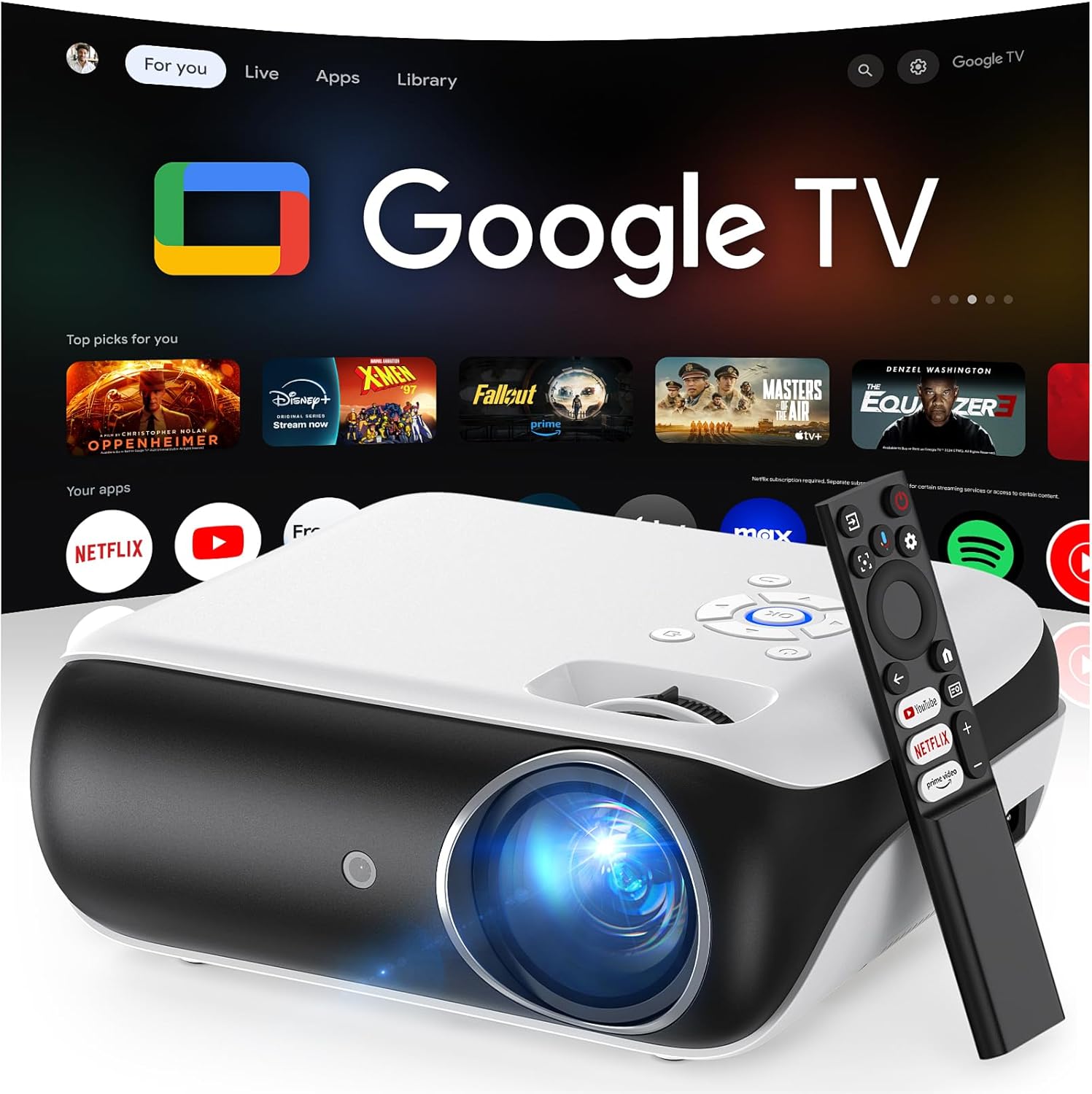
![[Netflix Officially & Dolby Audio] Aurzen Eazze D1 4K Supported Smart Projector with Auto Focus & Auto Keystone, HDR10, 60Hz Portable Projector for iOS/Android/USB/TV Stick, White](https://www.home-theater-projector-guru.com/storage/709110/conversions/71atPB0a8JL._AC_SL1500_-medium.webp)

![[Netflix Officially & Dolby Audio] Aurzen Eazze D1 4K Supported Smart Projector with Auto Focus & Auto Keystone, HDR10, 60Hz Portable Projector for iOS/Android/USB/TV Stick, White](https://www.home-theater-projector-guru.com/storage/709110/71atPB0a8JL._AC_SL1500_.jpg)