Screen size, seating distance, and room layout for home theater
Choosing the best home theater projector screens means matching screen size to seating distance and room width. A screen that is too large for your home theater forces your eyes to scan constantly, while a screen that is too small wastes the potential of high definition projectors. As a rule of thumb, many experts suggest that the ideal viewing distance is roughly 1.2 to 1.6 times the screen width.
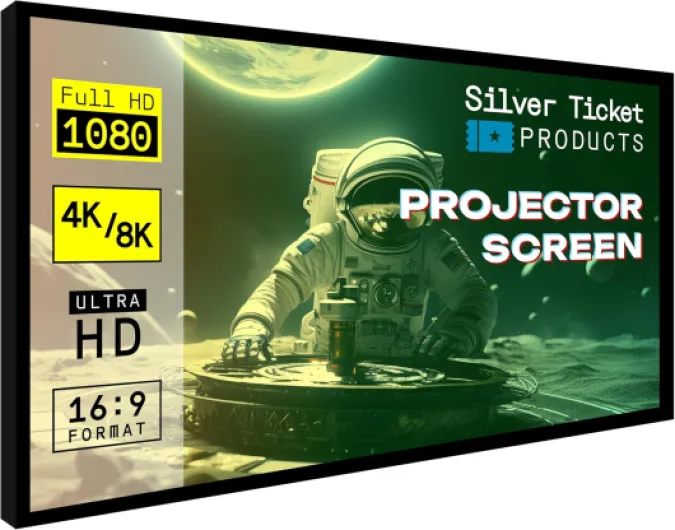
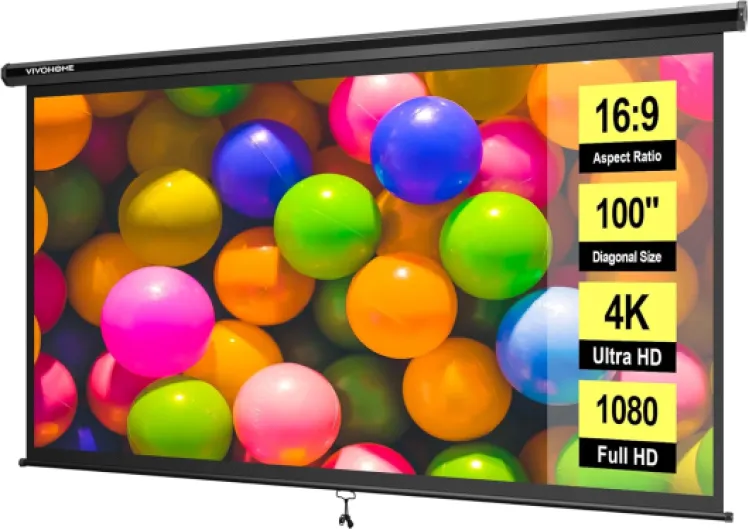
For a 100 inch projector screen with a 16:9 aspect ratio, that usually means sitting around 2.2 to 2.7 metres away. The Silver Ticket Products STR Series and the Vankyo Staytrue 100" T Projector Screen both offer this popular size, with 1.1 gain and wide viewing angles that suit families spread across a sofa. When you read reviews, look for comments about whether the viewing experience remains consistent from the sides, because some high gain screens narrow the optimal viewing cone.
Room layout also influences whether you choose a fixed frame projector screen or portable screens that can be stored between uses. Portable projector screens help renters or people who share a living room with a dining area, and they can still deliver a high quality movie theater feel when paired with a capable projector. If you plan to wall mount speakers, consider how the screen will align with front channels and whether you need space for a centre speaker below the frame.
Audio is part of the best home theater experience, so plan for speakers and subwoofers alongside the screen. For example, bookshelf speakers with strong surround performance, such as those reviewed in this Dolby and DTS bookshelf speaker test, can complement a large screen projector in a modest room. When the image size, seating distance, and speaker placement are aligned, even mid priced projectors and screens can feel like the best projector setup for your home.
Ambient light, gain, and light rejection technologies
Ambient light is the enemy of contrast, so the best home theater projector screens manage light carefully. In a dark home theater, a 1.0 to 1.1 gain white projector screen material offers neutral brightness and color, while in brighter homes you may need higher gain or ambient light rejection. Gain describes how much light the screen reflects back toward viewers compared with a reference surface.
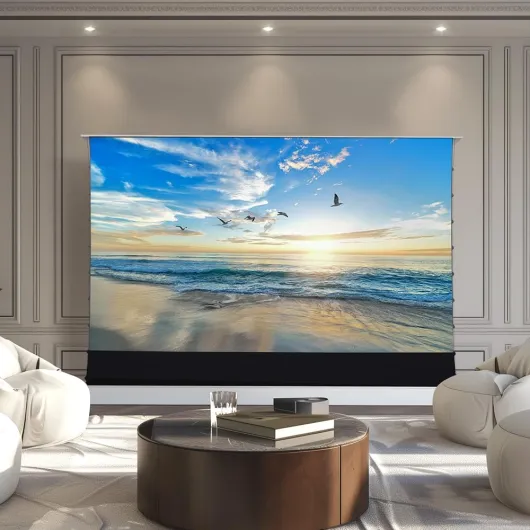
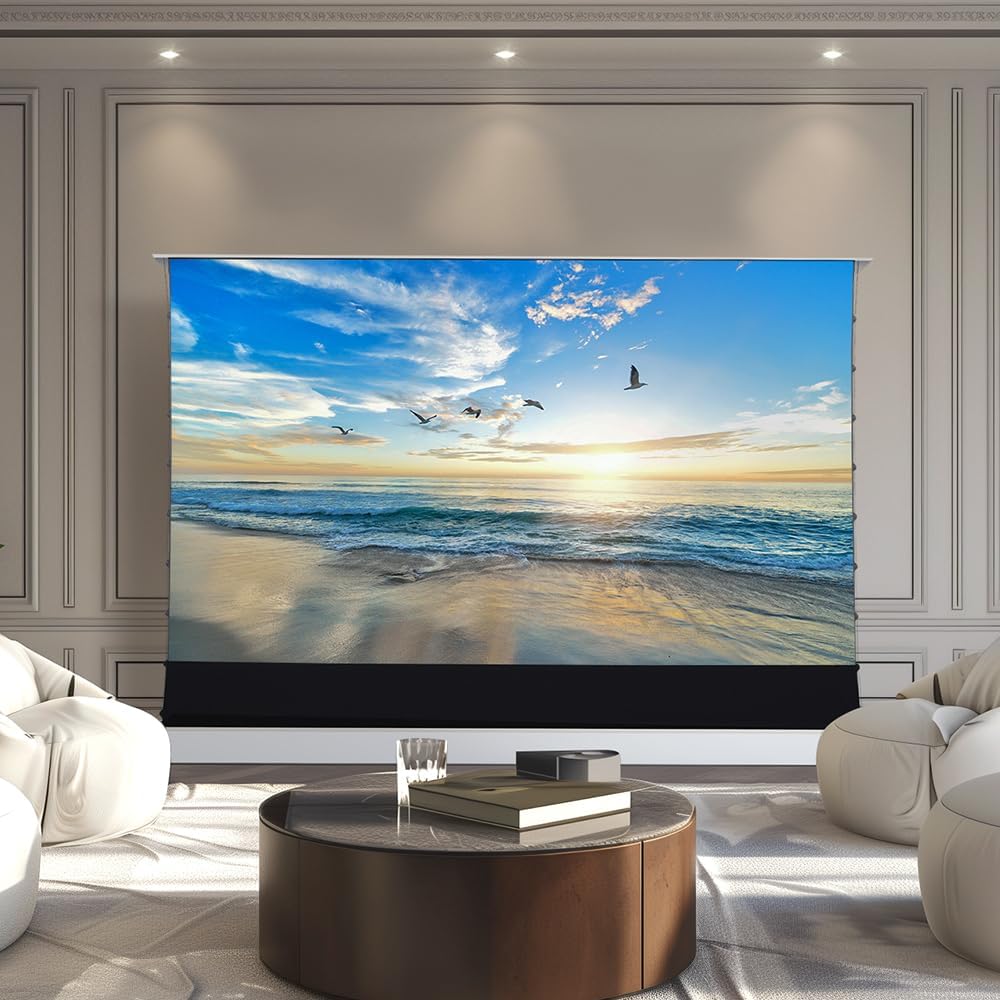
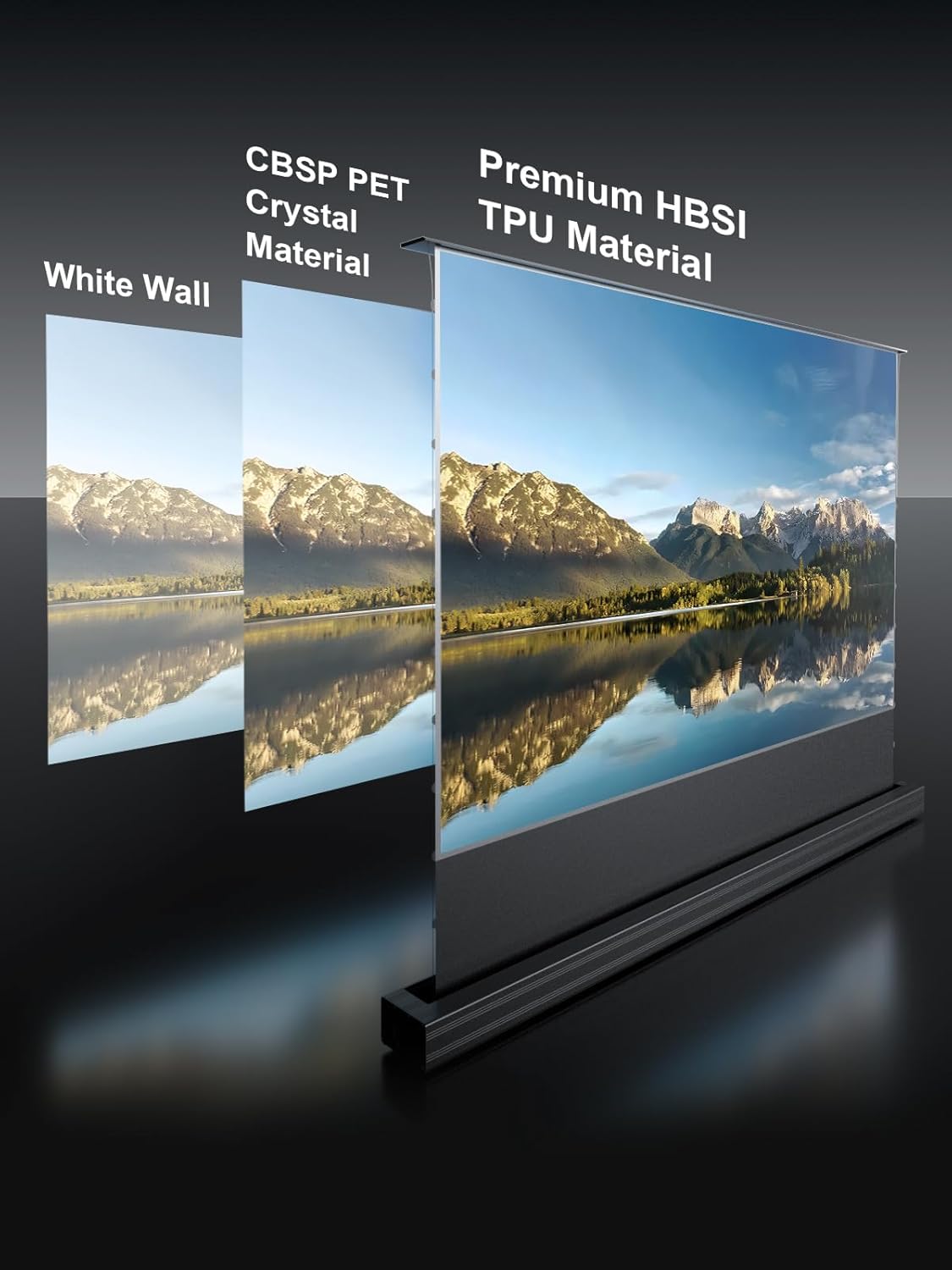
High gain screens can make the image from budget projectors appear brighter, but they often reduce the viewing angle and may introduce hotspotting. For living rooms with windows, ambient light rejecting projector screens use optical layers to reflect projector light toward the seating area while absorbing or deflecting stray light. The Epson SilverFlex Ultra ambient light rejecting screen is tailored for an ultra short throw ust projector, which sits close to the wall and projects upward, making it ideal for homes where a ceiling mount is impractical.
Ultra short throw projectors demand ultra short throw compatible screens, because standard screen material can show uniformity issues at such steep angles. Many ust projector owners report in reviews that pairing their device with a dedicated light rejection screen transforms daytime viewing. When you compare price in USD, remember that a high quality ambient light rejecting projector screen can cost as much as some projectors, yet the improvement in viewing experience under ambient light often justifies the sale price.
For enthusiasts who mainly watch movies at night, a moderate gain white projector screen may still be the best projector companion. You can enhance perceived contrast by darkening walls and controlling stray light with curtains, rather than paying for aggressive light rejection. If you want deeper bass impact during movie night, a compact wireless subwoofer such as the one evaluated in this subwoofer performance test can complete the home theater without compromising screen placement.
Short throw, ultra short throw, and projector compatibility
Not all projectors interact with screens in the same way, so compatibility matters when you choose the best home theater projector screens. Traditional long throw projectors sit several metres from the screen, while short throw and ultra short throw models create large images from much closer distances. Throw projectors with shorter distances are popular in compact homes, but they place stricter demands on screen flatness and material.
Short throw projectors can exaggerate any waves or imperfections in a projector screen, so a tensioned fixed frame design often works better than portable screens with flexible fabric. Ultra short throw ust projector models require specially engineered projector screens with directional surface structures that manage steep light angles. If you use a standard matte white screen projector with an ultra short throw device, you may see washed out blacks and uneven brightness under ambient light.
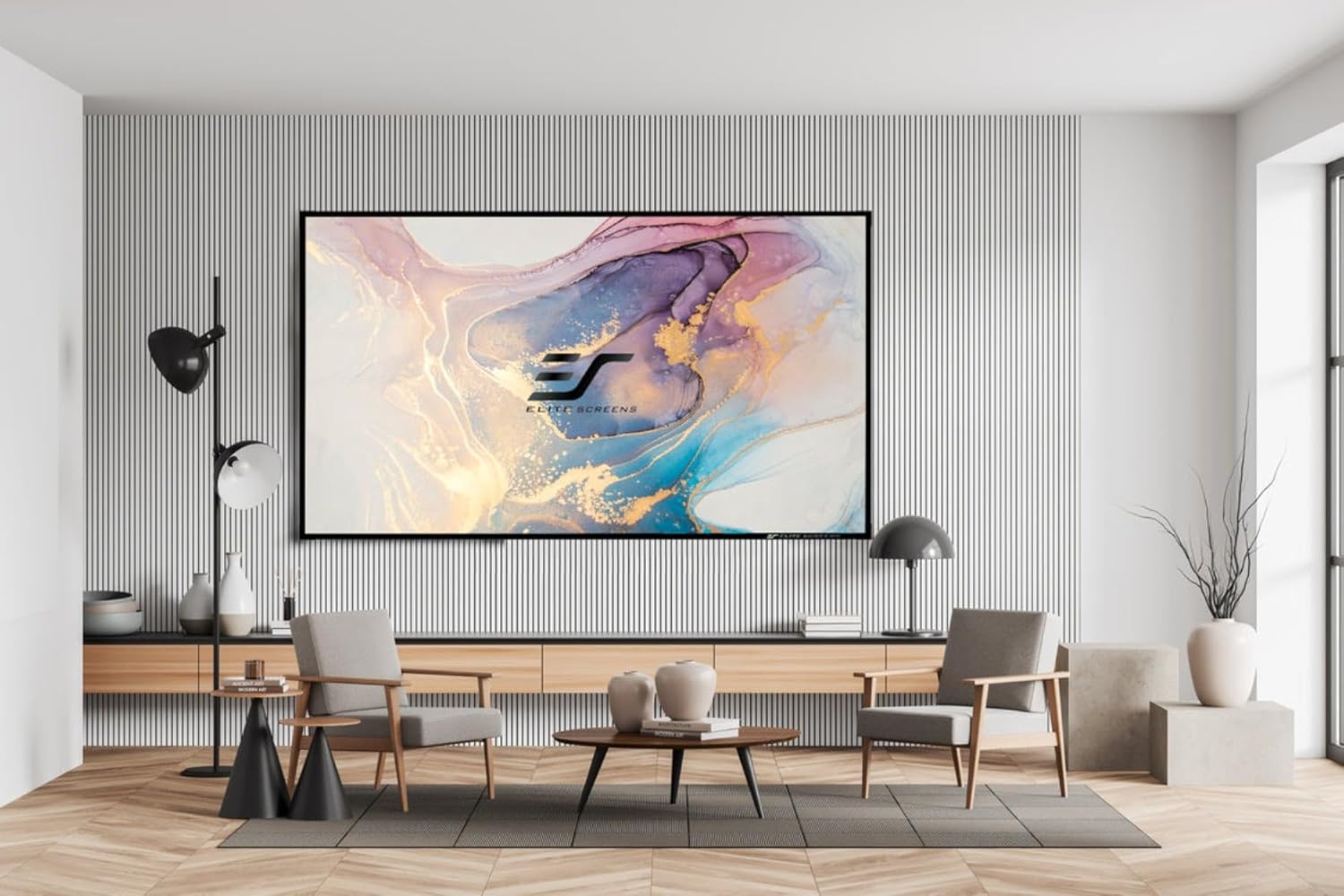
Manufacturers such as Elite Screens offer dedicated ust projector screens with light rejection layers tuned for ultra short throw optics. When you read reviews, check whether users mention hotspotting, sparkling, or color shifts, because these issues can undermine even the best projector hardware. A screen will either reveal the full potential of high definition content or mask it behind artifacts and poor contrast.
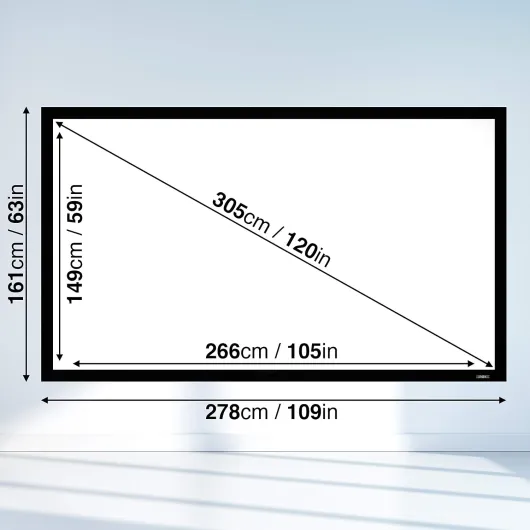
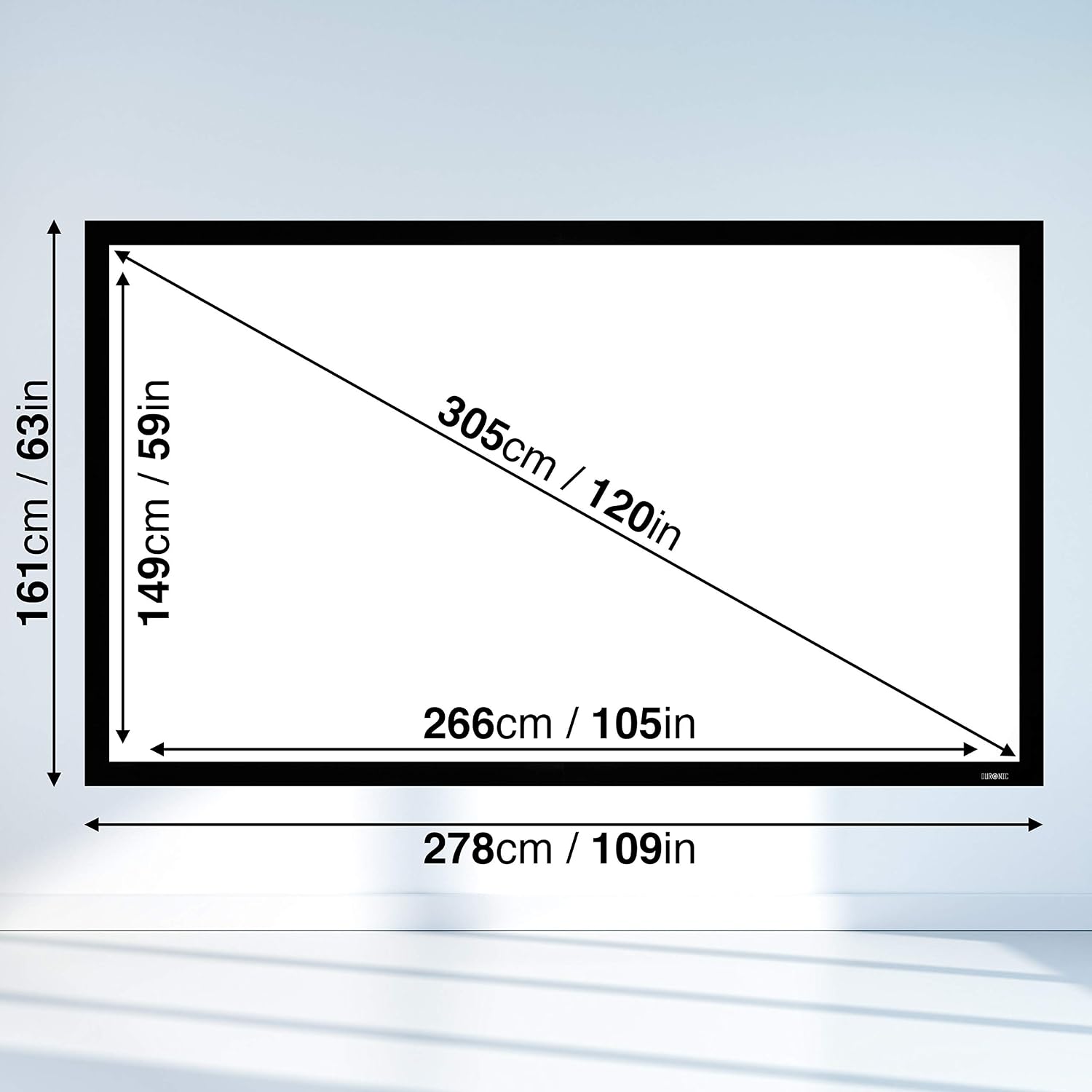
Gamers who rely on low latency projectors should also consider screen size and seating distance to maintain comfortable viewing. A 120 inch home theater screen can feel immersive for movies but overwhelming for fast paced games if you sit too close. For mixed use homes, many experts recommend choosing the best home compromise, such as a 100 to 110 inch projector screen that balances cinematic scale with everyday comfort.
Fixed frame, pull down, and portable projector screens
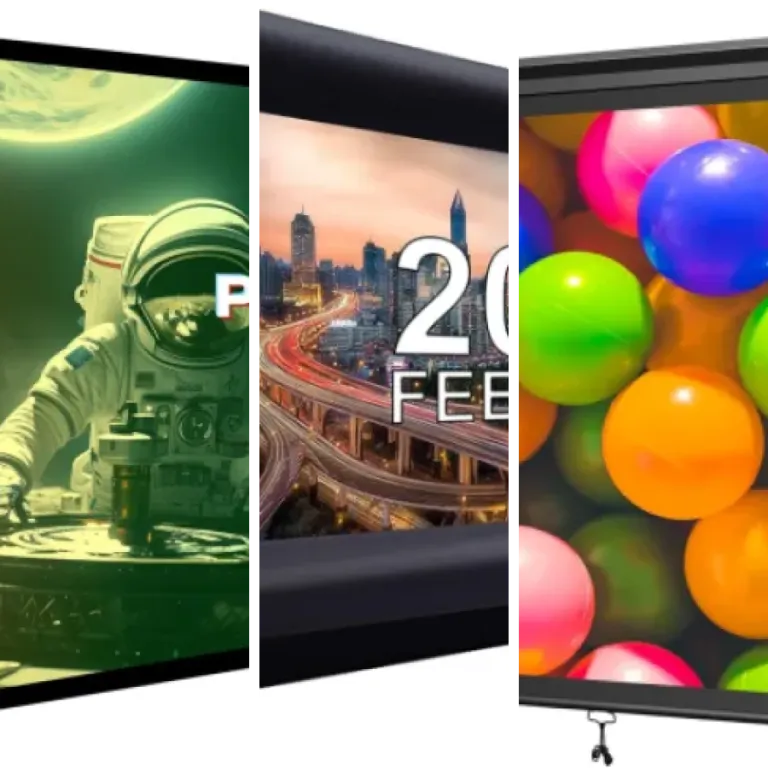
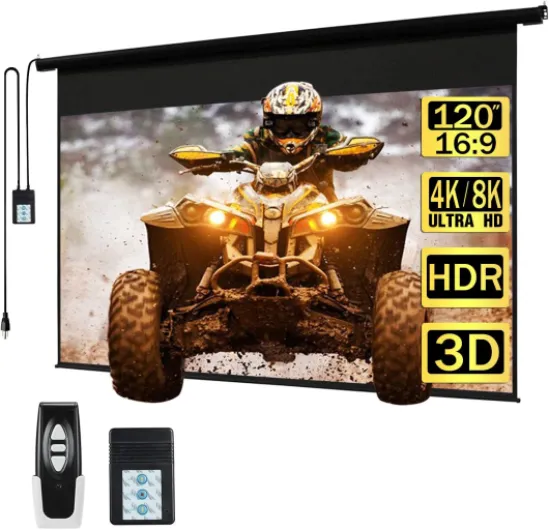
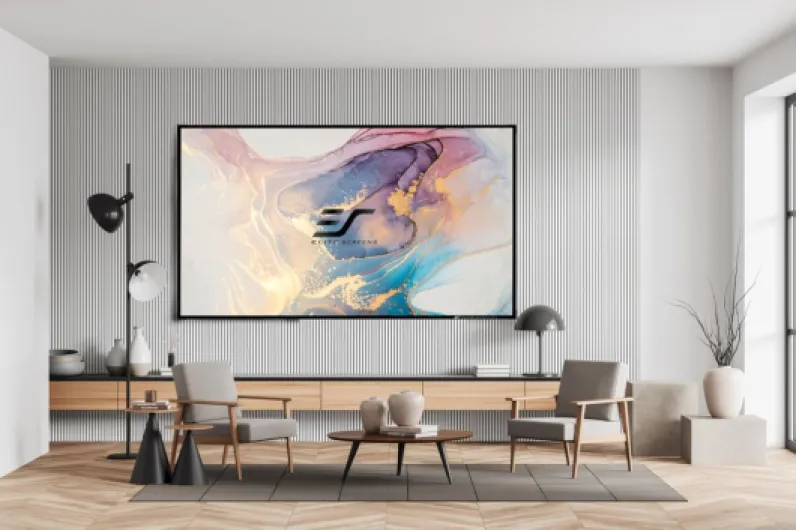
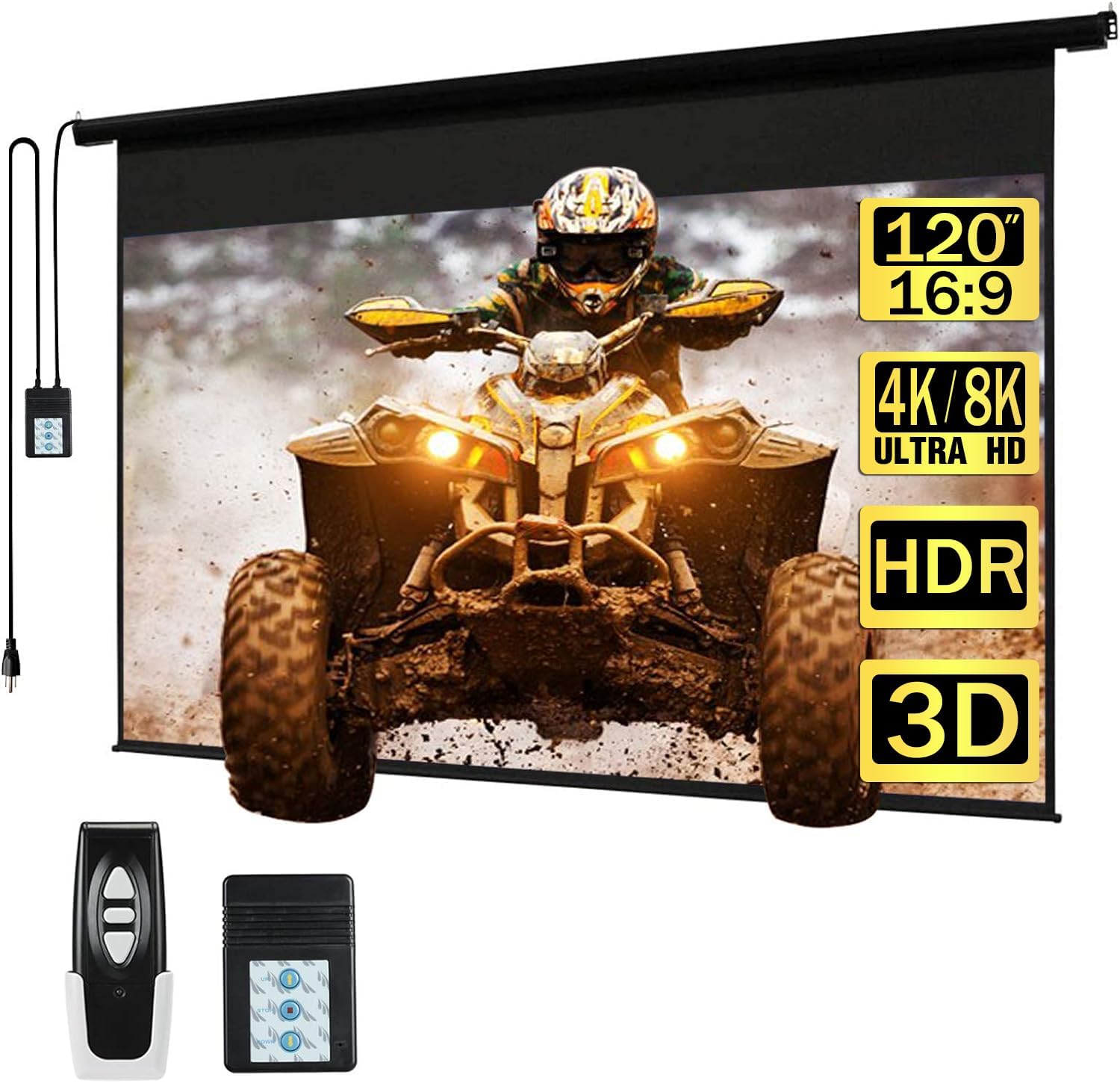
The form factor of your projector screen shapes both aesthetics and daily usability in a home theater. Fixed frame projector screens like the Elite Screens Sable Frame 2 Series create a clean, permanent movie theater look, with a tensioned surface that stays perfectly flat. Pull down or motorized screens hide away when not in use, which suits multipurpose homes where a large white rectangle would dominate the room.
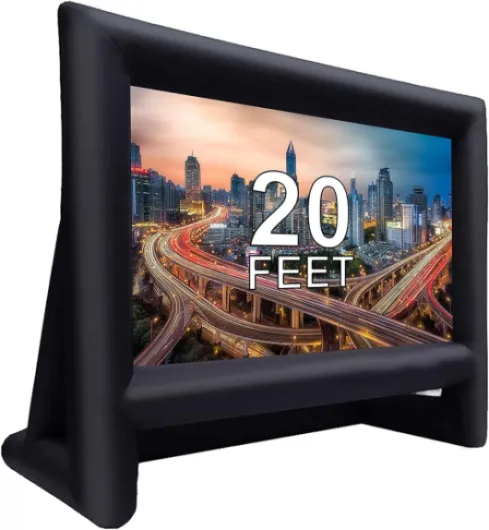
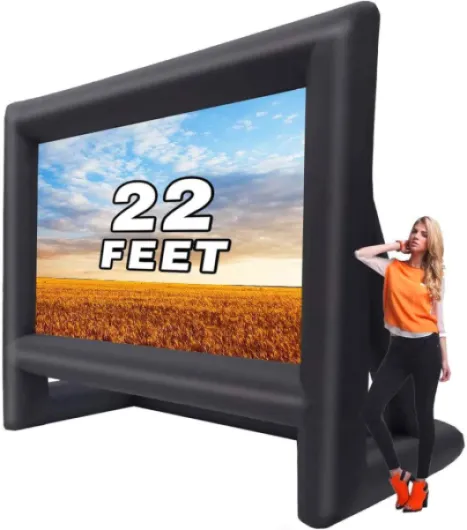
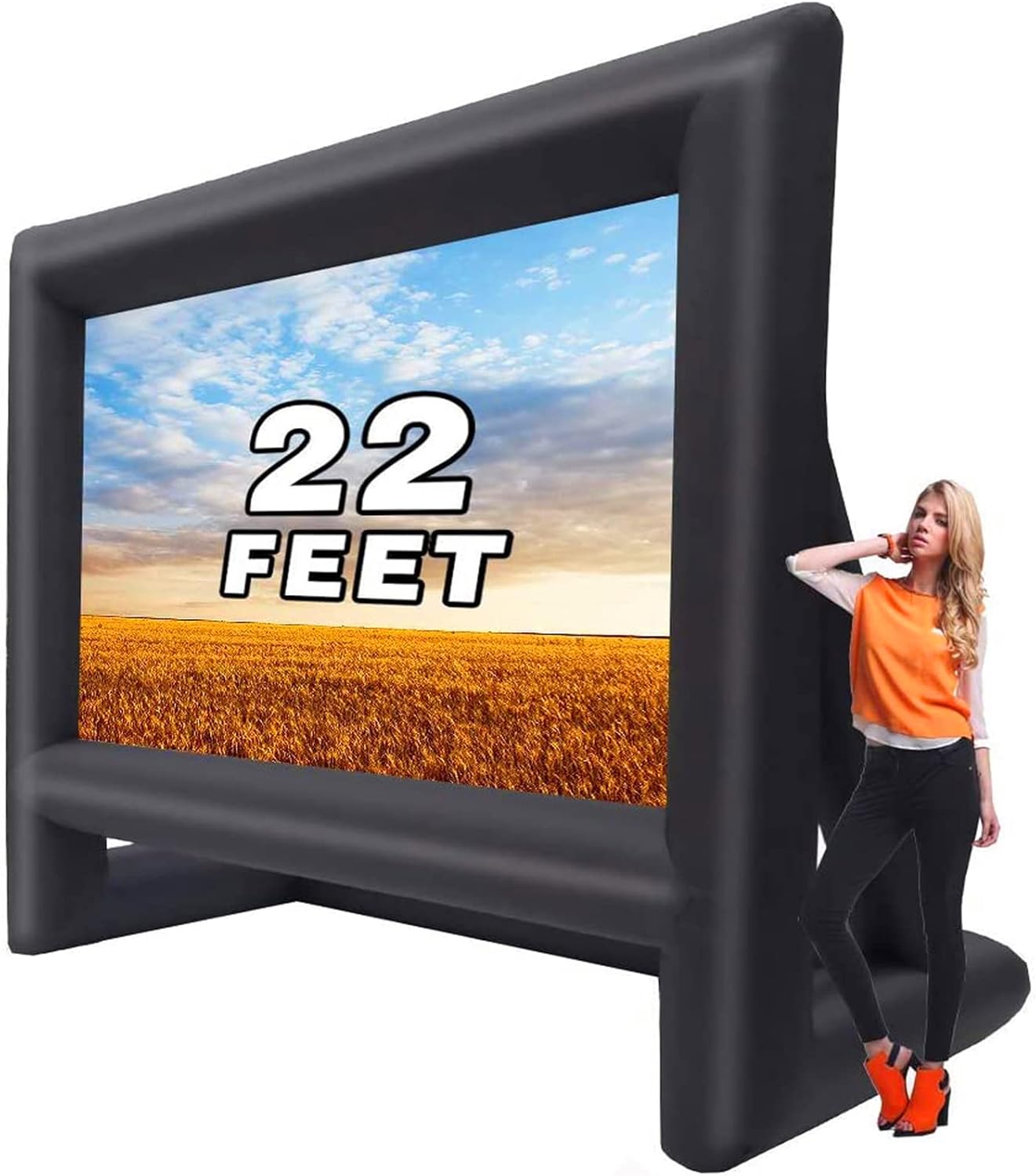
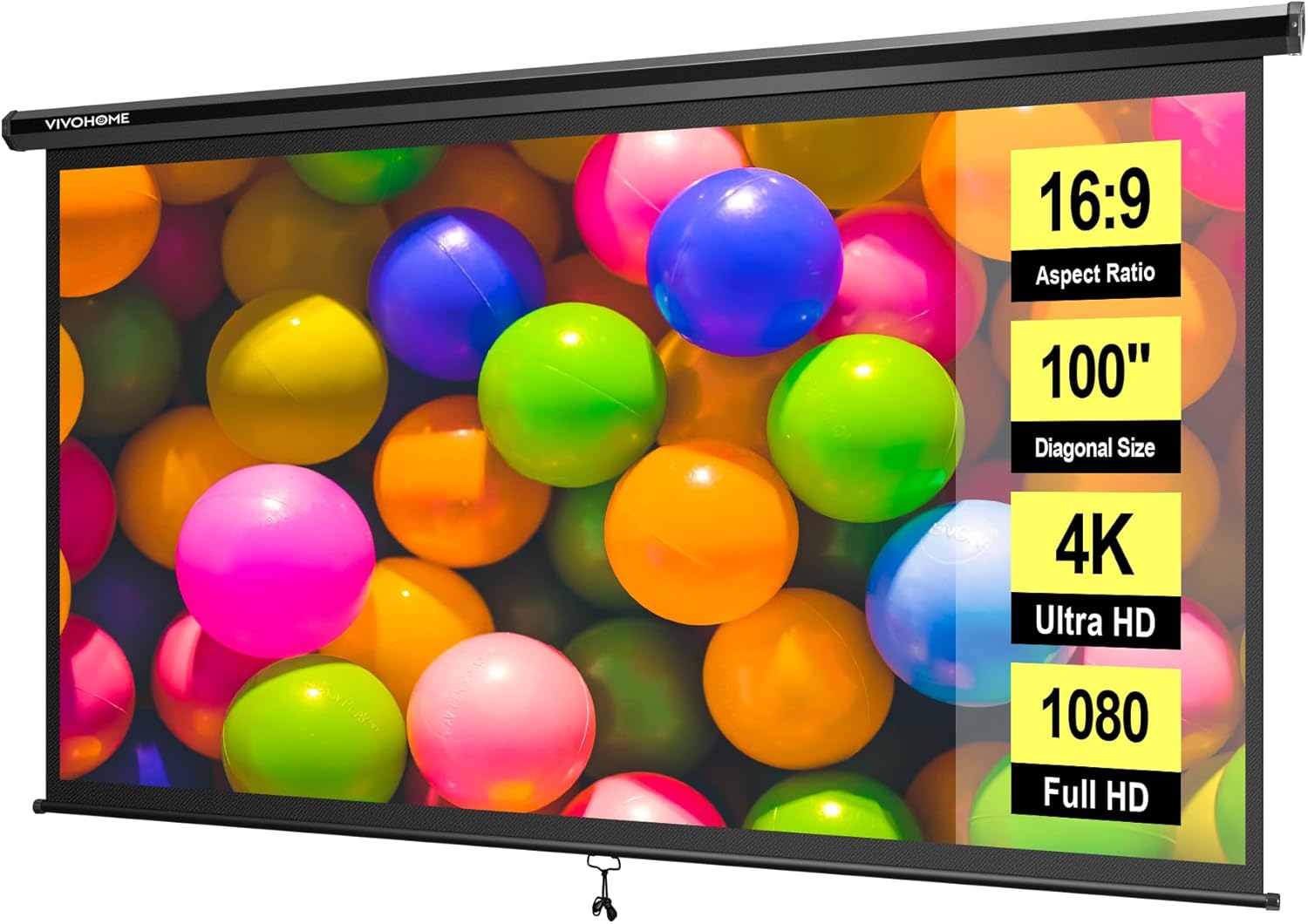
Portable projector screens appeal to renters, educators, and anyone who wants flexibility for outdoor movie night. A model such as the Vankyo Staytrue 100" T Projector Screen offers a 100 inch surface with 1.1 gain and a 160 degree viewing angle, making it suitable for both indoor and outdoor viewing. When you compare sale price in USD, portable screens often cost less than fixed frame designs, but they may sacrifice some flatness and long term durability.
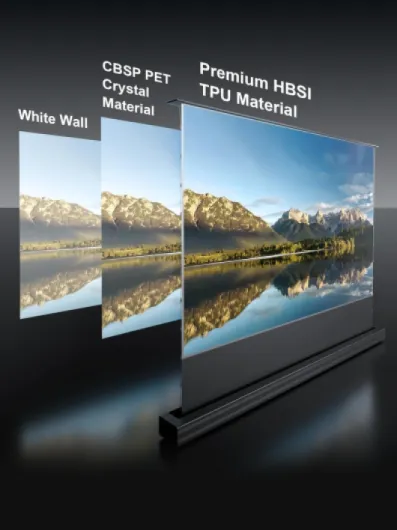
Screen material quality remains critical regardless of format, because low grade fabric can introduce texture that interferes with high definition images. High quality screen material should appear smooth, neutral in color, and free from visible weave at normal viewing distances. Reviews that mention moiré patterns or visible texture are warning signs, especially if you plan to sit close to a large screen projector.
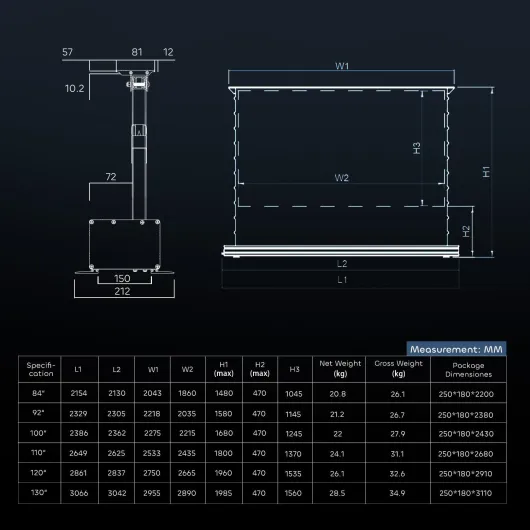
For ceiling mounted projectors, ensure that the screen will drop to the correct height for comfortable viewing. If you run long HDMI cables from an equipment rack, consult guidance such as this article on choosing the right 50 ft HDMI cable for your home theater projector to avoid signal loss. When the physical installation, cabling, and screen format align, the viewing experience in your home theater feels seamless and professional.
Balancing budget, performance, and real world reviews
Finding the best home theater projector screens is ultimately a balance between budget, performance, and how you actually use your room. A screen priced at several hundred USD may seem expensive next to entry level projectors, yet it can outlast multiple projector upgrades. Because screen material does not age as quickly as electronics, investing in high quality fabric and a robust frame often delivers strong long term value.
When comparing price and performance, look beyond marketing terms like high gain or ultra contrast and focus on measured specifications and user feedback. Reviews that describe real homes, with ambient light from adjacent rooms and mixed content from sports to films, are more valuable than lab style tests alone. Pay attention to whether people mention consistent brightness across the surface, accurate skin tones, and satisfying black levels during movie night.
For many buyers, the best projector choice is a mid range model paired with a carefully selected projector screen rather than spending everything on the brightest projector. A screen will shape the viewing experience every day, influencing how sharp, vibrant, and immersive your home theater feels. In many cases, a modest projector combined with an ambient light rejecting screen in a bright living room will outperform a high lumen projector on a cheap screen.
As one expert summary from industry coverage notes, "An overview of the leading home theater projector screens available in 2026, highlighting their key features and specifications." This perspective reinforces the idea that you should evaluate projector screens as seriously as projectors themselves. When you align screen size, gain, light control, and budget, your home becomes the best home cinema space for family and friends.
Key statistics about home theater projector screens
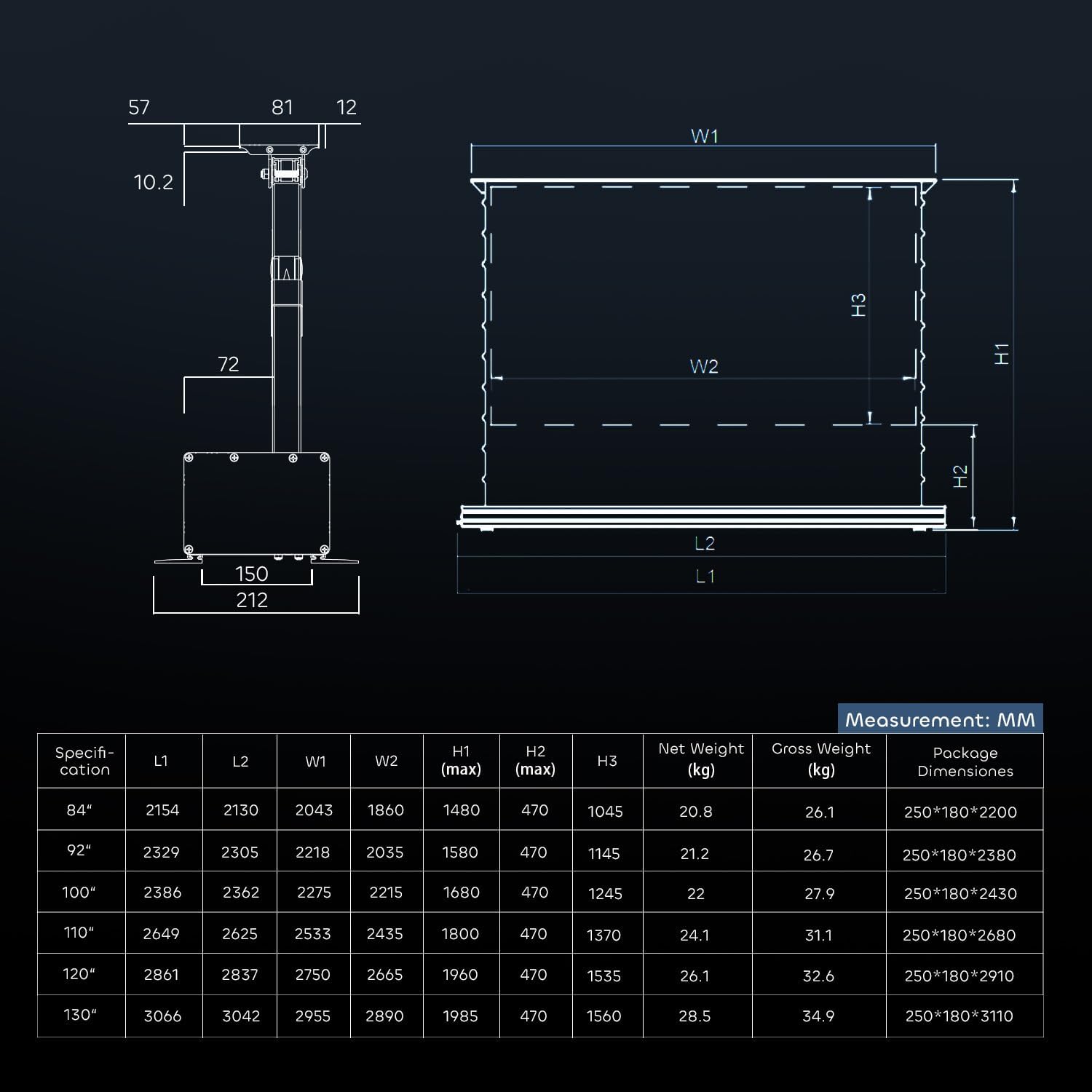
- Typical home theater projector screens for living rooms range from 92 to 120 inches, with 100 inch and 120 inch sizes among the most popular choices.
- Common gain values for high quality home theater screens cluster around 1.0 to 1.3, balancing brightness with wide viewing angles.
- Ambient light rejecting screens can reduce the impact of room light by up to 85 to 90 %, significantly improving perceived contrast in bright spaces.
- Fixed frame projector screens often provide viewing angles from 160 to 180 degrees, supporting wide seating layouts without major color or brightness shifts.
- In many home theater budgets, the projector screen represents roughly 15 to 30 % of the total display system cost, depending on size and material.