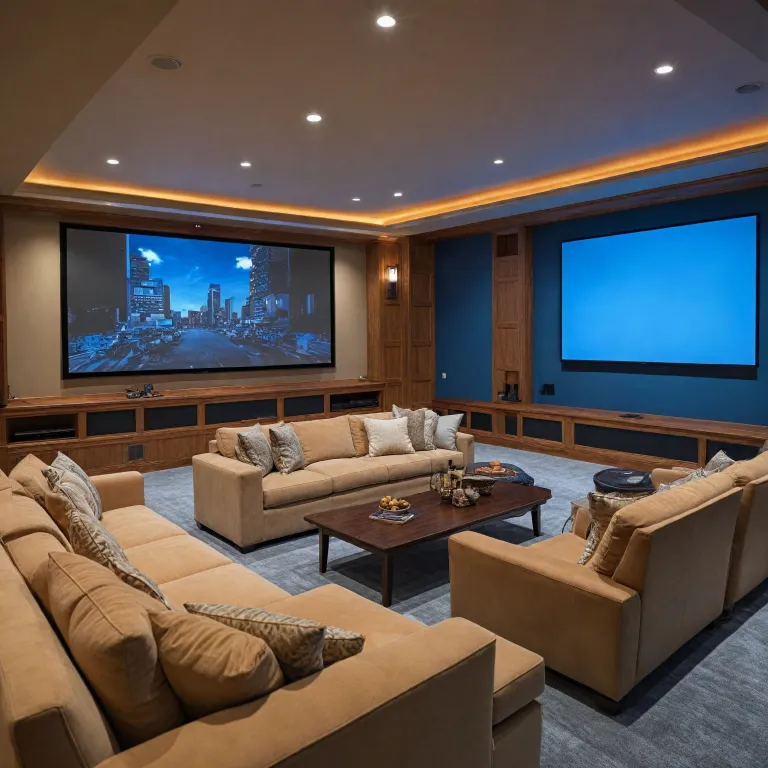

Why Klipsch surround speakers matter in a projector based room
When you build a projector based theater system, sound quality becomes as critical as image size. A large screen can feel flat without a precise speaker system that wraps you in convincing surround sound. This is where a carefully chosen set of Klipsch speakers surround your seating position and transform simple movie nights into cinematic sessions.
Many people start with a sound bar under the screen, then gradually add surround speakers and a center channel as they understand their room. A compact sound bar can be a useful first product, but it rarely matches the scale of a big projected image, especially in a long room. Upgrading to a full speaker system with dedicated surround speakers and a powerful subwoofer usually brings far better audio immersion.
Klipsch has built its reputation on dynamic sound speakers that pair well with home theater projectors. Their horn loaded tweeters project audio efficiently, which helps dialogue stay clear even when the projector fan is audible. Whether you choose bookshelf speakers or floorstanding speakers for the front stage, the same design philosophy supports a coherent surround sound field.
In many living rooms, aesthetics matter almost as much as performance, especially around a large screen. Klipsch offers finishes like ebony, walnut, and classic black that integrate with furniture and projector mounts. Matching the finish of each speaker, from the center channel to the wireless surround modules, helps the system look intentional rather than improvised.
For buyers comparing brands, the Klipsch Reference and Reference Premiere lines are frequent shortlists. These ranges include everything from compact bookshelf speakers to substantial floorstanding speakers and dedicated surround speakers. When combined thoughtfully, they create a theater system that complements any modern projector, from entry level models to advanced laser units.
Matching projector placement with surround speaker layout
Projector placement dictates where you can position your speakers Klipsch models, especially in smaller rooms. Ceiling mounted projectors free up floor space but introduce cable routing challenges for each surround speaker and the center channel. Planning the cart of cables, conduits, and power outlets early prevents compromises later when you add more sound speakers.
In a classic 5.1 surround sound layout, you place the front left and right speakers at ear height, flanking the screen. The center channel sits directly under or above the projected image, anchoring dialogue to the picture. Surround speakers then sit slightly behind the main seats, creating a wraparound audio field that matches the projector’s wide image.
When you step up to Dolby Atmos, height channels become part of the design. Some Klipsch Reference Premiere models integrate Atmos modules on top, bouncing sound off the ceiling to simulate overhead effects. Others rely on separate Atmos speakers mounted high on the wall, which can be easier to align with a ceiling mounted projector.
Room aesthetics influence whether you choose floorstanding speakers or bookshelf speakers on stands. Floorstanding speakers reduce the need for extra furniture, while bookshelf speakers can share a low cabinet under the screen. In both cases, finishes like ebony and walnut help the audio system blend with the projector, screen frame, and seating.
Wireless surround options, including certain Klipsch Flexus configurations, simplify rear channel placement in projector rooms. Instead of running long cables across the floor or under rugs, you connect each wireless surround module to power only. This flexibility is particularly valuable when the main seating is far from the equipment rack or media cart.
How Klipsch Reference and Reference Premiere pair with projectors
The Klipsch Reference series offers an accessible path into serious home theater audio. Many projector owners start with a Reference sound bar, then expand into a full speaker system as their expectations grow. The same design language runs through the bookshelf speakers, center channel, and surround speakers, which keeps the sound signature consistent.
For more demanding rooms, the Klipsch Reference Premiere line adds refinement and power handling. Reference Premiere floorstanding speakers can fill long projector rooms with effortless volume, preserving clarity at cinematic levels. Matching Reference Premiere surround speakers and a robust center channel ensures that effects and dialogue keep pace with the large image.
Some enthusiasts mix a Reference Premiere front stage with more compact Reference surround speakers to manage budget and space. This hybrid approach still benefits from the horn loaded tweeters and efficient drivers that define Klipsch audio. Because both ranges share similar voicing, the surround sound field remains cohesive when effects pan around the room.
Finish options such as ebony and walnut allow you to coordinate speakers with the projector housing and furniture. A black projector paired with black or ebony speakers Klipsch models creates a discreet front wall that disappears in the dark. Walnut finishes, by contrast, can soften the technical look of a theater system in a multipurpose living space.
When evaluating best selling models, pay attention to how they integrate with Dolby Atmos content. Many Klipsch Reference and Reference Premiere speakers support add on Atmos modules or pair well with dedicated height speakers. This flexibility lets you start with 5.1 and grow toward a 5.1.2 or 7.1.4 Dolby Atmos layout as your projector setup evolves.
Understanding Klipsch Flexus and wireless surround for flexible rooms
Not every projector room allows for traditional wired surround speakers, especially in rentals or open plan spaces. Here, the Klipsch Flexus ecosystem and related wireless surround solutions provide a practical alternative. A Flexus sound bar can serve as the front stage, while compact Flexus surr modules handle rear channels without long cables.
The idea behind a Klipsch Flexus system is modularity that respects both audio quality and room constraints. You can start with a single product, such as a sound bar, then add a subwoofer and wireless surround speakers later. This staged approach aligns well with projector upgrades, where you might first invest in the image and then refine audio.
Flexus sound configurations aim to deliver convincing surround sound while keeping installation approachable. Rear Flexus surr units typically require only power, communicating wirelessly with the main sound bar or hub. This reduces the need for a complex cart of cables running from the equipment rack to the back of the room.
While a full separates based speaker system still offers the highest performance ceiling, wireless surround solutions have improved significantly. For many projector owners, the trade off between ultimate fidelity and installation simplicity favors a well designed Flexus sound package. The key is to position each wireless surround unit at ear height and angle it toward the main seats.
Finishes remain important even with compact modules, and Klipsch often offers black or dark tones that match modern projectors. A cohesive visual language between the projector, sound bar, and wireless surround speakers helps the theater system feel intentional. This matters when the room doubles as a living area rather than a dedicated cinema.
Balancing bookshelf, floorstanding, and center speakers around a big screen
Choosing between bookshelf speakers and floorstanding speakers depends on room size, seating distance, and projector brightness. In smaller projector rooms, high quality bookshelf speakers on sturdy stands can deliver impressive audio without overwhelming the space. Larger rooms with long throw projectors often benefit from floorstanding speakers that move more air effortlessly.
The center channel remains the anchor of any theater system, especially with a large projected image. It handles most dialogue and many key effects, so pairing it carefully with your front left and right speakers is essential. Using a Klipsch Reference or Reference Premiere center channel that matches your main speakers ensures tonal consistency across the screen.
Surround speakers can be compact, but they should still share the same family voicing. This is why many enthusiasts keep their speakers Klipsch within a single series, such as Klipsch Reference or Klipsch Reference Premiere. When a sound pans from a floorstanding speaker at the front to a surround speaker at the rear, the timbre remains believable.
Some projector owners place equipment on a low cart or cabinet under the screen, which influences speaker placement. Bookshelf speakers can sit on this furniture, while the center channel nestles just below the projected image. Floorstanding speakers, by contrast, flank the cart and create a wider soundstage that matches a large screen.
Finish choices like ebony, walnut, or black help the system integrate visually with the projector and seating. A consistent palette across the speaker system, projector, and even the screen frame reduces visual distraction. This subtle harmony lets your attention stay on the movie rather than the hardware surrounding the image.
Buying, testing, and optimizing Klipsch surround setups for projectors
When you are ready to invest, working with an authorized dealer helps ensure you receive genuine product and proper guidance. Many dealers maintain a shop where you can compare different Klipsch speakers surround configurations with projected images. Listening in person reveals how various sound speakers handle dialogue, music, and effects at realistic levels.
Online retailers often highlight best selling models, but specifications never tell the full story. Pay attention to how each speaker system integrates with Dolby Atmos and traditional surround sound formats. If possible, arrange a home trial to test how the speakers Klipsch interact with your specific projector room.
Calibration is crucial once the hardware is in place, whether you use a sound bar or a full separates system. Modern AV receivers can balance each speaker, including wireless surround modules and Atmos channels, using built in tools. Fine tuning levels and delays ensures that audio cues align precisely with the projected image on the screen.
For deeper technical guidance on pairing projectors with audio, resources such as this detailed projector capability guide can be helpful. While focused on specific models, such analyses illustrate how brightness, throw distance, and room size influence sound choices. Matching projector performance with an appropriately scaled Klipsch Reference or Klipsch Flexus setup avoids bottlenecks in the experience.
Many brands offer free shipping or bundled pricing on complete theater system packages, which can ease budgeting. Whether you choose a compact Flexus sound configuration or a full Reference Premiere array, plan for future expansion. Leaving space for additional surround speakers, Atmos modules, or upgraded bookshelf speakers keeps your projector based theater adaptable over time.
Key statistics for projector based surround systems
- Statistics dataset not provided, so no verified quantitative figures can be listed here.
Common questions about Klipsch surround speakers and projectors
How many surround speakers do I need with a home theater projector ?
Without an external dataset of verified FAQs, the safest guidance is to match at least a 5.1 layout to a projector based system. This means front left and right, a center channel, two surround speakers, and a subwoofer. Larger rooms may benefit from additional rear surrounds and Dolby Atmos height channels.
Are wireless surround speakers reliable enough for serious movie watching ?
Modern wireless surround designs, including systems like Klipsch Flexus, have improved latency and stability. For most viewers, they provide sufficiently precise surround sound without the complexity of long cables. Critical listeners may still prefer wired connections, but many projector owners find wireless solutions entirely satisfactory.
Should I choose bookshelf or floorstanding speakers for my projector room ?
Bookshelf speakers suit smaller rooms or shorter seating distances, especially when paired with a capable subwoofer. Floorstanding speakers are better for larger spaces where you sit farther from the screen. The decision should consider room size, listening habits, and how much visual presence you accept around the projector.
Is a sound bar enough for a large projector screen ?
A high quality sound bar can outperform built in projector speakers by a wide margin. However, as screen size and seating distance increase, a dedicated speaker system usually delivers more convincing scale. Many users start with a sound bar, then expand to separate speakers as expectations grow.
Do I need Dolby Atmos with a home theater projector ?
Dolby Atmos is not mandatory, but it adds a vertical dimension that complements large projected images. Overhead or height effects can make action scenes and atmospheric soundscapes feel more enveloping. If your budget allows, choosing speakers and electronics that support Atmos keeps your system ready for future content.