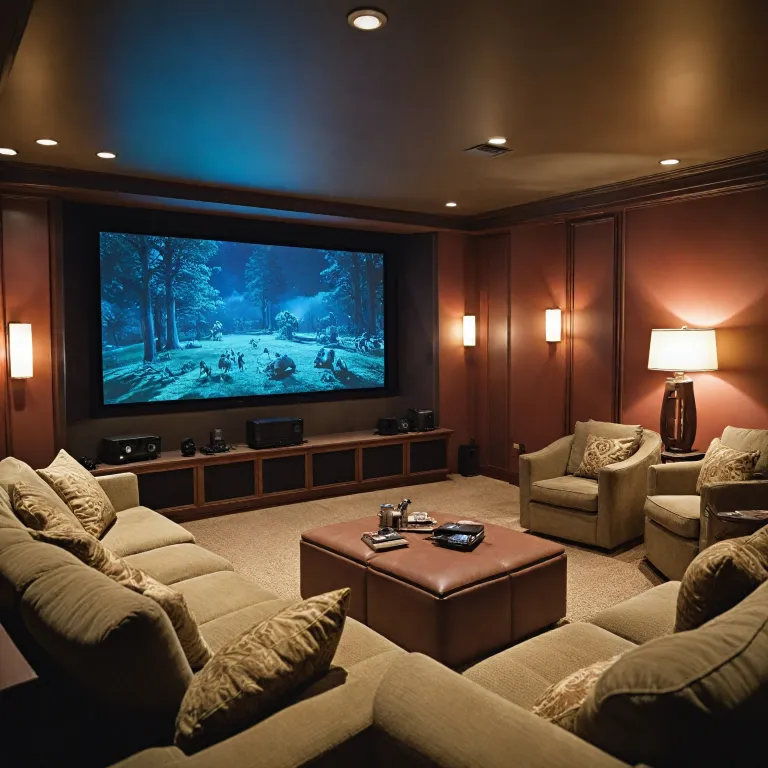

Understanding projector brightness and lumens
What Does Brightness Mean in Projectors?
When shopping for a home theater projector, you’ll notice that brightness is measured in lumens or ANSI lumens. This rating tells you how much light the projector can produce, which directly affects how visible and vibrant your image will be on a projector screen. The higher the lumen number, the brighter the projector. For example, a laser projector with 3,000 lumens will generally look brighter than a lamp-based model with 2,000 lumens, especially in a bright room or with ambient light present.
Lumens, ANSI Lumens, and White Brightness
Not all lumens are equal. Some manufacturers list "white brightness" or "color brightness" separately, especially with laser projectors and models from brands like Epson. ANSI lumens is a standardized measurement, so comparing ANSI lumens between products is more reliable. If you see a projector advertised with a high lumen rating but no mention of ANSI, be cautious about the real-world performance.
How Much Brightness Do You Need?
The ideal brightness for your home theater depends on several factors, including your room’s ambient light, the size and gain of your projector screen, and your viewing habits. For a dedicated theater room with controlled lighting, 1,500 to 2,500 ANSI lumens is often enough. For spaces with more light or larger screens, you might want a projector in the 3,000 to 4,000 lumen range. Outdoor projector use or rooms with lots of windows may require even more.
- Short throw and ultra short throw projectors can deliver bright images even when placed close to the screen, making them suitable for smaller rooms.
- High gain screens can help amplify perceived brightness, letting you use a lower-lumen projector in some cases.
- WUXGA projectors and 4K models often offer higher brightness, but price can increase accordingly.
If you’re curious about what a 6,000 lumen projector can do for your theater, check out this detailed guide on exploring the brightness of a 6000 lumen projector for your home theater.
Remember, while more lumens can mean a brighter image, it’s not always better for every situation. The next sections will cover how your room environment and other factors influence the best choice for your setup.
How room environment affects projector performance
Why Your Room Matters for Projector Brightness
When choosing a projector for your home theater, the room environment plays a huge role in how bright your projector needs to be. It’s not just about picking the highest lumen projectors on Amazon or going for the most expensive laser projector. The amount of ambient light, the color of your walls, and even the type of projector screen you use can all affect the final image quality.
- Ambient Light: If your room lets in a lot of natural light or you plan to use your projector during the day, you’ll need a higher lumen rating. Bright rooms may require projectors with 3,000 ANSI lumens or more. For darker, dedicated theater rooms, lower lumen projectors can still deliver vivid images.
- Wall and Ceiling Color: Darker walls and ceilings help absorb stray light, improving contrast and making colors pop. White or light-colored rooms reflect more light, which can wash out your image, even with a high-brightness projector.
- Projector Screen Type: High gain screens can boost perceived brightness, especially in rooms with some ambient light. Consider pairing your projector with a screen designed for your specific environment, such as ALR (Ambient Light Rejecting) screens for bright rooms.
- Throw Distance: Short throw and ultra short throw projectors can be placed closer to the screen, reducing the impact of ambient light and making them ideal for smaller or multi-use spaces.
Brands like Epson and Optoma offer a range of products tailored for different environments, from laser projectors with high white brightness to budget-friendly models with free delivery options. But remember, more lumens isn’t always better—matching your projector’s brightness to your room is key for the best theater experience. For a deeper dive into how a 6000 lumen projector performs in various home theater setups, check out this guide on exploring the brightness of a 6000 lumen projector for your home theater.
Balancing brightness with image quality
Finding the Right Balance: Brightness vs. Image Quality
When choosing a projector for your home theater, it’s tempting to focus only on the highest lumen rating. However, more brightness doesn’t always mean better image quality. The right projector should deliver vivid images without washing out colors or losing contrast, especially in a dedicated theater room.
- Color Accuracy: Ultra-bright projectors can sometimes compromise color fidelity. Laser projectors and models like the Epson Cinema series are designed to maintain accurate colors even at higher brightness levels. Look for projectors that specify both white brightness and color brightness (sometimes called lumens color).
- Contrast Ratio: High lumens are great for bright rooms or outdoor projector setups, but in a dark theater, too much light can flatten blacks and reduce perceived contrast. WUXGA projectors and high-end laser projectors often balance brightness and contrast well, but always check real-world reviews before buying.
- Screen Choice: The type of projector screen matters. High gain screens can boost perceived brightness, but may also affect viewing angles and color. Pairing your projector with the right screen ensures you get the best image possible for your space.
- Room Size and Throw: Short throw and ultra short throw projectors are popular for smaller rooms, but their lens design can impact brightness uniformity. Consider your room layout and the distance from projector to screen when comparing products.
Don’t forget that projector lumens are only part of the equation. The lens quality, aspect ratio, and even the type of light source (lamp vs. laser) all play a role in the final image. For those streaming content, pairing your projector with an affordable streaming encoder can also enhance your home theater experience without breaking the bank.
Ultimately, the best projector for your theater balances brightness with color, contrast, and your room’s unique needs. Don’t just chase the highest ANSI lumens or lowest price on Amazon—focus on the overall product quality and how it fits your viewing environment.
When to choose the highest lumen projector
When Maximum Brightness Makes Sense
There are specific situations where choosing the highest lumen projector is not just a luxury, but a necessity. While many home theater enthusiasts focus on contrast and color, there are cases where sheer brightness is the deciding factor for your projector purchase.
- Bright rooms: If your theater space has lots of ambient light—think large windows, skylights, or minimal blackout curtains—a high lumen projector (often 3,000 ANSI lumens or more) can help maintain a vivid image. Laser projectors and models like the Epson Cinema series are designed for these conditions, delivering consistent white brightness even in challenging environments.
- Large screens: Bigger projector screens require more light to fill the surface evenly. For screens over 120 inches, especially high gain or outdoor projector screens, a projector with higher lumens ensures the image doesn’t look washed out.
- Multi-purpose rooms: Spaces that double as living rooms or meeting areas often can’t be fully darkened. In these cases, ultra-bright projectors, such as some Optoma or Epson models, help maintain clarity and color accuracy.
- Outdoor use: Outdoor projectors face unpredictable lighting. A high lumen laser projector or a short throw model can project a clear image even before sunset or with nearby streetlights.
Keep in mind, the price of high lumen projectors is usually higher, especially for laser projectors or those with advanced lens and throw features. On platforms like Amazon, you’ll notice that products with higher ANSI lumens and better lens technology often come with a premium price tag. However, free delivery and bundled projector screens can sometimes offset the cost.
When evaluating which projector to buy, consider not just the lumen rating, but also the room size, screen type, and your typical viewing conditions. Ultra short throw projectors and WUXGA projectors can offer high brightness with flexible placement, making them ideal for modern theater setups. Always check the product’s ANSI lumens specification, as this is the most reliable measure of real-world brightness.
Potential drawbacks of ultra-bright projectors
Possible Issues with Excessive Brightness
While it might seem like more lumens always means a better projector, ultra-bright projectors can introduce some unexpected challenges in your home theater. It's important to weigh these drawbacks before choosing the highest lumen projectors for your setup.
- Washed-Out Colors: Projectors with extremely high white brightness can sometimes sacrifice color accuracy. This is especially true if the projector's color lumens are not balanced with its white lumens. Laser projectors and models from brands like Epson and Optoma often address this, but not all products are equal. Always check the ANSI lumens and color lumens ratings.
- Eye Fatigue: In a dark theater room, a projector that's too bright can cause discomfort or eye strain, especially during long viewing sessions. The screen can become harsh, making it less enjoyable to watch movies or shows.
- Contrast Loss: Ultra-bright projectors may reduce perceived contrast, especially on standard projector screens. Blacks can appear more like gray, which impacts the cinematic experience. High gain screens can help, but they add to the overall price.
- Ambient Light Reflection: If your room has light-colored walls or ceilings, a powerful projector can bounce light around, reducing image quality. Even with a short throw or ultra short throw projector, ambient light can affect performance.
- Cost and Efficiency: Higher lumen projectors, especially laser models, often come with a higher price tag. Products like Epson Cinema and WUXGA projectors offer impressive brightness, but you may pay more for features you don't need in a controlled theater environment. Check for free delivery and compare prices on platforms like Amazon before making a decision.
- Outdoor vs. Indoor Use: While a bright outdoor projector is great for battling sunlight, the same lumen output indoors can be overkill. Consider your primary use case and whether you need a projector screen optimized for high brightness.
When choosing a projector, balance the need for brightness with your room's ambient light, screen type, and viewing habits. Sometimes, less is more for a true theater experience.
Key features to consider beyond lumens
Beyond Lumens: What Else Matters in a Home Theater Projector?
While projector brightness and lumens are crucial for a vibrant image, there are several other features that can make a big difference in your home theater experience. Here’s what to look for when comparing projectors, whether you’re shopping for an Epson, Optoma, or another brand on Amazon.
- Resolution and Aspect Ratio: For sharp, detailed images, consider WUXGA projectors or 4K models. The aspect ratio should match your projector screen and content—16:9 is standard for most home theater screens.
- Light Source: Laser projectors are gaining popularity for their long lifespan and consistent white brightness. Laser models often deliver better color accuracy and require less maintenance than traditional lamp projectors.
- Throw Distance: Short throw and ultra short throw projectors are ideal for small rooms or setups where the projector can’t be far from the screen. Throw projectors allow flexible placement, especially in bright rooms with limited space.
- Lens Quality and Zoom: A high-quality lens ensures a crisp image across the entire screen. Features like lens shift and optical zoom provide more flexibility in installation, especially if your projector screen isn’t perfectly centered.
- Color Accuracy and Lumens Color: Not all projector lumens are equal. Look for models with high color brightness (measured in ANSI lumens) to ensure vivid colors, not just a bright white image. Epson cinema projectors, for example, often highlight their color performance.
- Contrast Ratio: A high contrast ratio helps projectors deliver deeper blacks and more detail in dark scenes, which is essential for a true theater feel.
- Screen Compatibility: Pair your projector with the right projector screen. High gain screens can boost perceived brightness in rooms with ambient light, while matte screens are better for controlled lighting.
- Connectivity: Make sure the product supports your devices—HDMI, streaming sticks, and audio outputs are must-haves for most home theater setups.
- Price and Value: Compare the price with the features offered. Sometimes, a slightly less bright projector with better color and lens quality delivers a superior viewing experience. Don’t forget to check for free delivery or bundled projector screens on Amazon and other retailers.
Ultimately, the best projector for your theater room balances brightness, color, lens quality, and compatibility with your space and screen. Whether you’re considering laser projectors, outdoor projector options, or high lumen projectors for a bright room, weigh all these factors before making your final choice.